News

RSS Feed
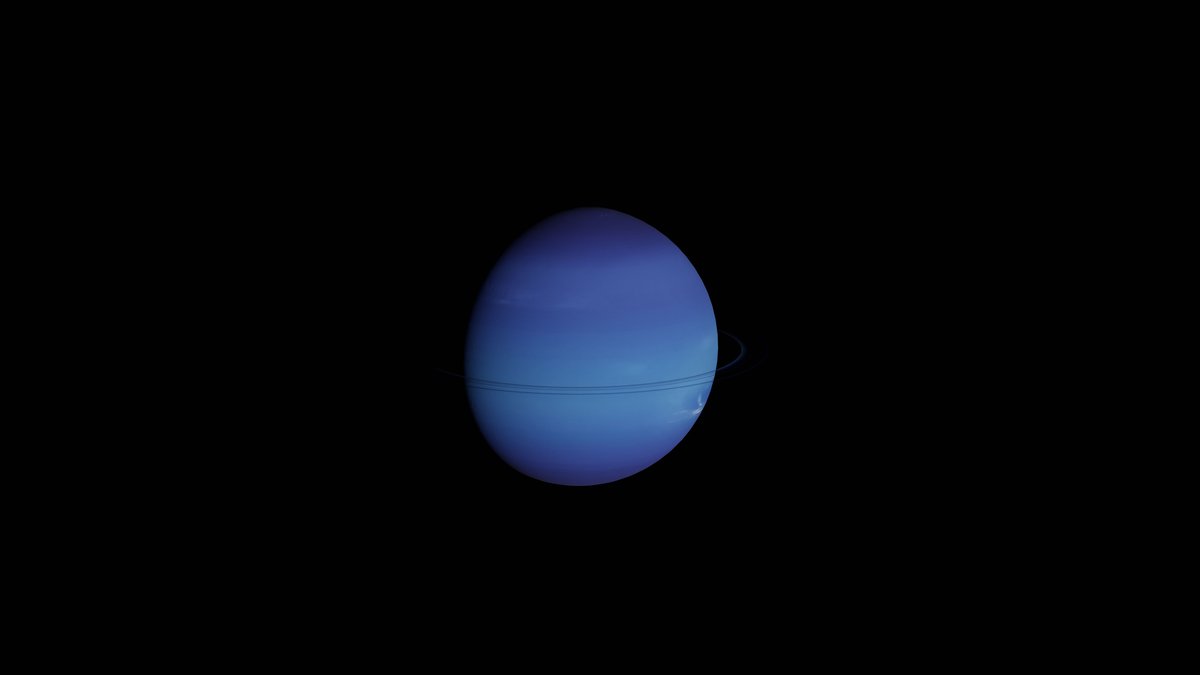
Ice giant planet illustration

Uranus and Neptune may hide vast magma oceans beneath their clouds

Researchers at the University of California, Los Angeles used computer models to test a hotter view of the solar system’s two outer planets. Their arXiv study, submitted to The Astrophysical Journal, proposes that Uranus and Neptune may contain enormous hydrogen-rich magma oceans below their familiar blue clouds. The idea could reshape how scientists picture these…

More

More in News

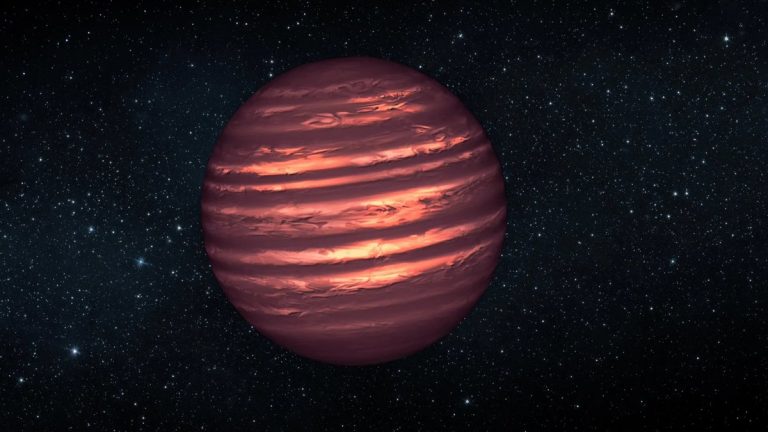
Using the W.M. Keck Observatory, astronomers investigated the long-predicted relationship between mass and spin for giant planets and brown dwarfs

Alien planet spins reveal a hidden clue to how worlds are born

Researchers led by Northwestern University used Keck Observatory observations to uncover a striking pattern in the spins of distant worlds. Their study, published in The Astronomical Journal, found that giant gas planets tend to rotate faster than more massive brown dwarf companions after accounting for mass, size and age. The finding gives astronomers a new…

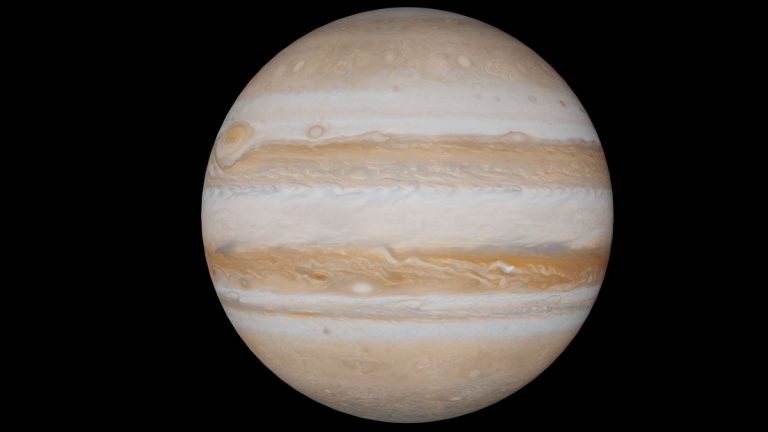
Jupiter moon Europa

Europa’s surface is almost too clean for an icy moon bombarded for billions of years, and its missing scars point to a young crust repeatedly rewritten from below as NASA’s Europa Clipper heads to test whether Jupiter’s tides keep a hidden ocean alive

NASA’s Europa Clipper mission is heading toward one of the most revealing puzzles in the outer Solar System. Jupiter’s icy moon Europa has so few large impact craters that scientists think its surface has been repeatedly renewed from below, according to the mission’s Europa Clipper page. That clean ice may be the visible sign of…

Planet Venus

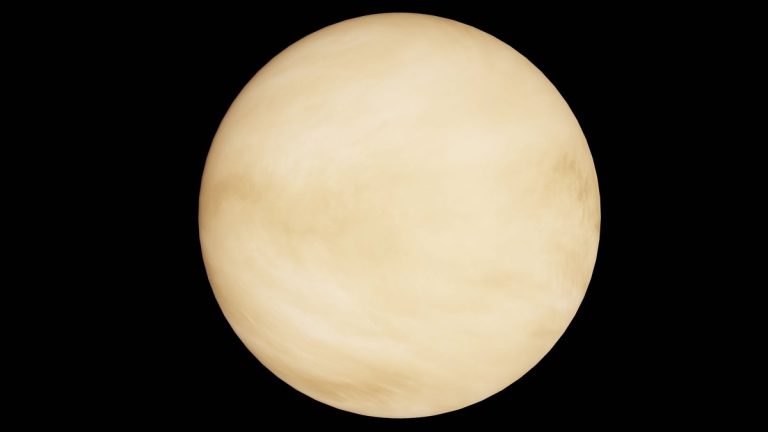
In 1970, Venera 7 survived 23 minutes on Venus in 475-degree heat and crushing 90-atmosphere pressure, sent the first data from another planet’s surface, and engineers only realized weeks later that the faint signal had continued after landing while the probe’s titanium hardware may still be recognizable today

A 2026 study in Geoarchaeology has revived one of space exploration’s most extreme survival stories. The study argues that several probes sent to Venus during the Cold War, including Soviet Venera spacecraft, may still be recognizable on the planet’s surface after decades of crushing pressure and furnace-like heat. That finding gives new weight to the…