A study in Nature has uncovered a hidden Arctic chain reaction: debris-filled icebergs are carrying rocks away from melting glaciers and dropping them onto the deep seafloor, where they can become rare footholds for bottom-dwelling life. The work links changes in land ice to changes in deep-sea biodiversity hundreds of kilometers from the glaciers where the icebergs began.
Researchers led by Thomas Krumpen of the Alfred Wegener Institute and Kirstin S. Meyer-Kaiser of Woods Hole Oceanographic Institution combined seafloor images, iceberg sampling, shipboard observations and drift modeling. Together, those records point to rising iceberg traffic in parts of the Arctic since the early 2000s.
The discovery adds a strange new layer to Arctic climate change. More rocks on the seafloor can create new habitat for animals that need hard surfaces. The same process also reflects accelerating glacier breakup and a more mobile, more hazardous polar ocean.
Icebergs are carrying hidden rock cargo
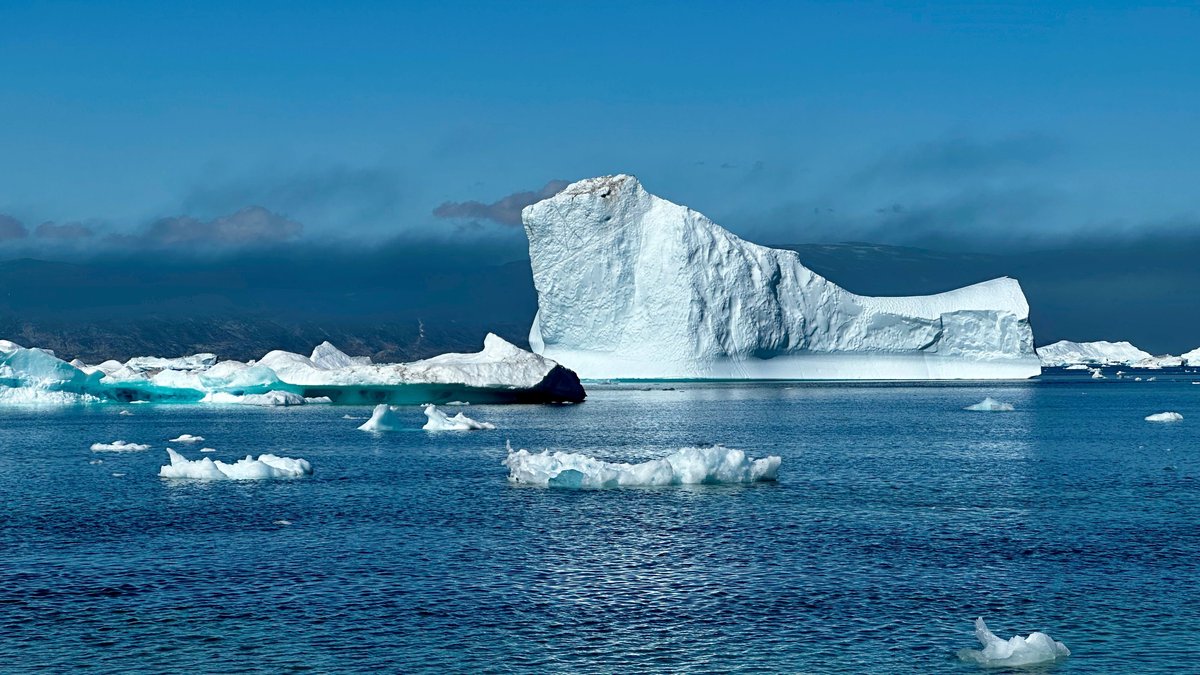
Icebergs often look clean from a distance, but many begin their lives inside glaciers that have scraped across land for centuries. As glaciers move, they grind rock into dust and sediment. They also pick up stones, pebbles and larger fragments. When a glacier calves into the sea, some of that cargo leaves with the ice.
That frozen cargo matters because it can travel far beyond the glacier front. As the iceberg drifts and melts, its mineral load falls out. Fine material spreads through the water. Larger pieces sink as dropstones, landing on mud that may have few other hard surfaces.
The research team described this as a climate-driven link between glacier disintegration and hard-bottom habitat far from calving fronts. In simple terms, a breaking glacier can send building material into the deep ocean.
Field observations helped make the connection vivid. During work aboard the German research icebreaker Polarstern, scientists observed debris-rich icebergs in Arctic waters. Some carried so much dark material that they stood out from the surrounding ice. Those dirty icebergs became clues to a process that had been difficult to document at scale.
Four decades of Polarstern logs revealed the surge
The key question was whether these observations reflected isolated events or a broader Arctic shift. Smaller icebergs can be difficult to track by satellite, especially when they are mixed into pack ice. The team therefore turned to a long-running source of human observations.
Researchers mined about 40 years of visual records from RV Polarstern, the German research icebreaker that has supported Arctic science for decades. These routine weather and sea-ice logs included notes on whether icebergs were visible near the ship. Over time, that everyday record became an unusually valuable climate archive.
The logs showed that iceberg occurrence in the Fram Strait rose abruptly in the early 2000s. The Fram Strait sits between Greenland and Svalbard and it forms a major gateway between the central Arctic Ocean and the North Atlantic.
By reconstructing drift pathways, the researchers linked many sightings to major outlet glaciers in northeast Greenland and the Russian High Arctic. In northeast Greenland, the timing lined up with glacier destabilization. For parts of the Russian sector, the record was harder to pin down because satellite coverage has been sparser.
The team also used high-resolution drift simulations to explore how changing sea ice affects transport. A more dynamic sea-ice cover can help move glacial ice downstream. That means glacier activity and sea-ice motion can work together to redistribute rocks across distant parts of the Arctic seafloor.
Dropstones create hard patches in deep mud
At the seafloor, the impact of these stones depends on the landscape they enter. Much of the deep Fram Strait bottom is soft mud and silt. For many animals, that softness limits where they can anchor, grow, or build a stable life.
Dropstones change the local terrain. Each stone can act like a tiny island in a muddy plain. For animals that attach to hard surfaces, a single rock can become valuable real estate.
The study drew on seafloor imagery from HAUSGARTEN observatory, a long-term Arctic monitoring site operated by the Alfred Wegener Institute. HAUSGARTEN has tracked oceanographic, biogeochemical and ecological change from the surface down to abyssal depths since 1999.
Recent images showed more patchy accumulations of stones in parts of the Fram Strait abyss. Meyer-Kaiser described the change clearly: “Where previously there were only isolated stones of various sizes, we are now finding much larger accumulations, frequently in small groups.”
The researchers also compared stones associated with icebergs to stones on the seabed. Similarities in size and mineral makeup strengthened the case that melting icebergs supplied at least some of the new rocky patches.
Sponges and corals move in slowly
Once the stones arrive, biology begins at a slow deep-sea pace. Animals such as sponges, anemones, worms and soft corals can colonize hard surfaces over time. Their growth may take years or decades, especially in cold, dark water where food can be scarce.
These communities matter because hard-bottom animals often create structure for other life. A sponge can change water flow around a stone. A coral or anemone can add shape to an otherwise flat area. Small organisms may then use that structure for shelter or feeding.
In deep Arctic mud, even modest increases in hard substrate can shift local patterns of settlement. Species that need attachment points may gain new places to live. Animals that already occupy the surrounding sediment may face new neighbors, new predators, or new competitors.
The result is a slow-motion reshaping of benthic ecosystems. Benthic simply means life on or near the seafloor. In this case, the seafloor is being altered by material that started on land, entered a glacier, floated away in an iceberg and finally sank through the ocean.
More habitat brings new Arctic risks
The habitat story comes with serious Arctic stakes. Rising iceberg traffic points to more active glacier breakup and that shift can affect people as well as deep-sea animals. Icebergs create hazards for vessels operating near the ice edge or in newly accessible polar waters.
Krumpen warned that “An increasing presence of icebergs in certain regions of the Arctic harbors considerable risks.” Those risks can affect cruise ships, cargo vessels, fishing fleets and oil and gas activities as maritime traffic expands across the Arctic.
The ecological picture is also complex. More dropstones can offer settlement sites for hard-bottom animals, but changing habitat can also alter competition and food webs. A sponge community growing on a new stone may be a gain for one set of species and a pressure for another.
The study frames the process as part of a broader Arctic transformation. Retreating sea ice can change algal blooms and the flow of organic material to the seafloor. Increased human access can bring fishing pressure, seabed disturbance and pollution. Iceberg-delivered rocks now join that list of forces reaching the deep ocean.
A glacier change reaches the seafloor
What makes the finding especially striking is the distance between cause and effect. A glacier can destabilize far away from the Fram Strait study area. Its ice can then drift through sea ice and ocean currents before releasing stones into a deep, dark environment.
This long pathway connects the cryosphere to benthic ecosystems. The cryosphere includes frozen parts of Earth such as glaciers, ice sheets and sea ice. Benthic ecosystems include the animals and habitats on the ocean bottom. The study shows how changes in one realm can leave measurable traces in the other.
The researchers’ approach is powerful because it combines many kinds of evidence. Seafloor cameras showed where stones and animals were appearing. Iceberg observations revealed debris cargo. Polarstern logs captured long-term changes in iceberg sightings. Drift models helped trace possible routes from source glaciers to the deep ocean.
That combined record gives scientists a clearer view of an Arctic process that is easy to miss from the surface. The icebergs drift in open water or pack ice. The stones fall quietly. The animals arrive slowly. Yet together, these steps can alter seafloor habitat across a region undergoing rapid warming.
For the Arctic, the message is one of connection. Glacier loss, sea-ice dynamics, ocean transport, rocky habitat, deep-sea animals and navigation risks all meet in the same changing system. A falling stone can become a home for life and it can also mark the reach of a warming climate far below the waves.