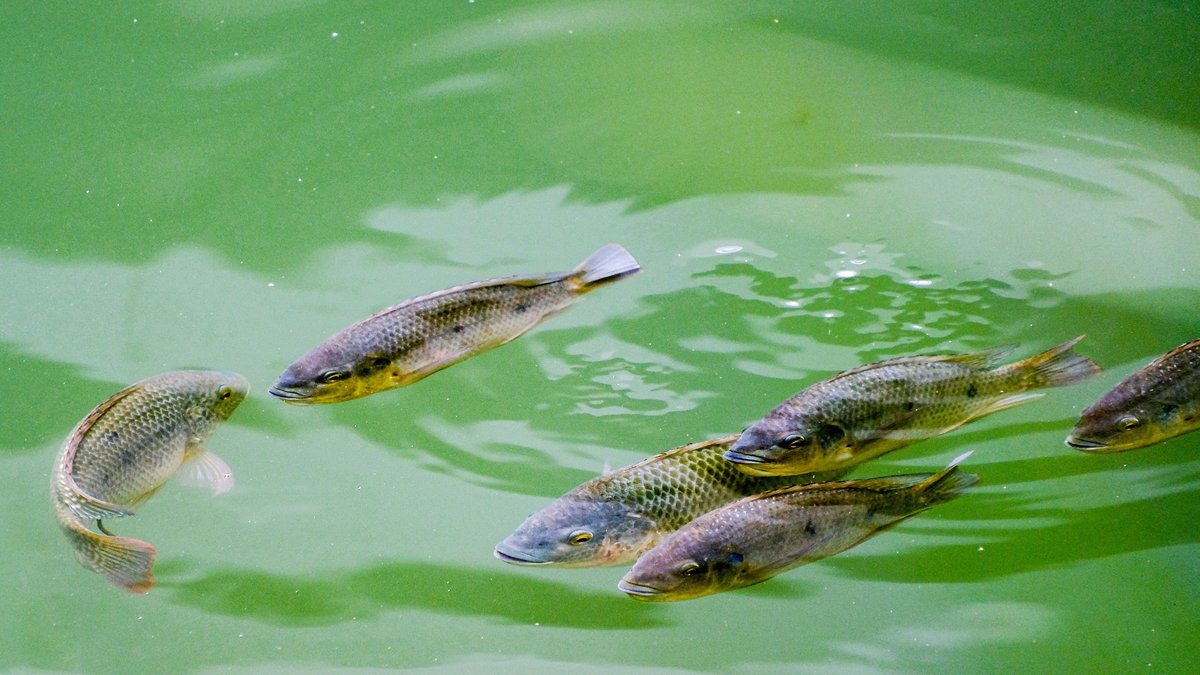
A study in Communications Earth & Environment found that invasive cichlids in southern China can shift toward poorer food while keeping key omega-3 fatty acids in their tissues unusually steady. The finding adds a nutritional twist to one of freshwater ecology’s hardest problems, why some introduced fish spread so effectively once they enter a new river.
The research, associated with Fen Guo and Guangdong University of Technology, followed fish in the Dongjiang River system from 2021 to 2024. Instead of focusing only on how much invasive fish eat, the team examined what kinds of fats ended up in their bodies. That chemical record suggested that the invaders had a hidden advantage during seasonal food shortages.
The result matters because freshwater invasions often unfold quietly. A fish that can breed quickly, tolerate difficult water and survive lean food seasons may gain a foothold before managers notice the shift. The Dongjiang study points to food quality as another factor worth watching.
A hidden diet advantage
Freshwater food webs begin with tiny producers such as algae. These organisms supply the fats that move through insects, small fish and eventually larger predators. For fish, those fats are more than calories. They help support brain function, vision, growth and reproduction.
Among the most important are long-chain omega-3 fatty acids. One of them, EPA, is especially valuable in aquatic food webs. Fish can obtain it from high-quality algae-based food and some species may also make it from simpler fats. The balance between eating and retaining these compounds can shape how well a fish copes when the food web changes.
The Dongjiang River has strong seasonal swings. In the dry season, cooler conditions can make algae a richer source of omega-3. During the wet monsoon season, rising water and changing conditions can reduce the nutritional value of the available food. That gave the researchers a natural test of how native and invasive fish handle a fluctuating supply of essential fats.
The team found that native fish stayed tightly linked to algae-based resources. Invasive cichlids were more flexible. They drew more heavily on lower-quality materials such as plants and leaf litter during the wet season, yet their internal omega-3 levels changed far less than expected.
The Dongjiang River test
The researchers sampled 14 sites across the Dongjiang River, a subtropical river system in southern China. The fieldwork covered four trips across four years, which allowed the team to compare dry and wet seasons instead of relying on a single snapshot.
They collected hundreds of fish across many species, then focused their analysis on the species that dominated the catch. The invasive fish in that set belonged to the cichlid family. This group includes the widely introduced Nile tilapia, a species known for its flexible feeding and broad environmental tolerance.
Rather than relying only on stomach contents, the study used tissue analysis. A stomach can show what a fish ate recently. Muscle chemistry gives a wider view because fats from food leave traces in the body. That makes tissue a useful record of both diet and physiological handling.
The researchers compared fatty acids in potential food sources with fatty acids in fish muscle. This helped them estimate how much of each fish’s fat came from algae, plants and detritus. It also showed whether the fish’s internal chemistry moved in step with the surrounding food supply.
That distinction proved important. A fish may eat poorer food yet still maintain important compounds in its tissues. The Dongjiang invaders appeared to do exactly that during the wet season.
What fish tissue revealed
During the dry season, both native and invasive fish relied strongly on algae-based food. The native fish obtained close to 90 percent of their fatty acids from algae. The invasive cichlids also leaned on algae, though their share was closer to three-quarters.
The wet season changed the pattern. Native fish remained highly dependent on algae, staying near 90 percent. The invasive cichlids shifted toward lower-quality resources. Plants and leaf litter rose toward about half of their intake, which showed a broader seasonal diet.
Across the full year, the difference became sharper. Native fish drew about 95 percent of their fats from algae. The invaders drew closer to 60 percent from algae. That meant the cichlids were using a wider range of resources when the river’s high-quality food became less reliable.
The body chemistry told the deeper story. When the wet season reduced the availability of high-quality omega-3 sources, native fish showed a large drop in muscle EPA. The decline was roughly 40 percent. In the invasive fish, long-chain omega-3 levels stayed comparatively stable from season to season.
The study describes this pattern as nutritional resilience. In simple terms, the invaders’ tissues were less controlled by whatever the river happened to be serving at a given time. Their diet shifted, while their internal fatty acid profile stayed steadier.
How cichlids may stay steady
The researchers treated the mechanism with caution. The field data show that invasive cichlids maintained a more stable fatty acid profile, while direct tests of how they did so remain for future work. Several explanations are plausible.
One possibility is selective feeding. Even when fish appear to eat lower-quality food, they may pick out the most nutritious particles. A fish browsing across plants and detritus might still capture algae films, microorganisms, or other high-value scraps mixed into that material.
Another possibility is retention. The cichlids may conserve valuable fats once they have them. If a fish can slow the loss or turnover of long-chain omega-3 fatty acids, its tissues may stay more stable during shortfalls. This kind of internal buffering would help during seasonal drops in food quality.
A third route involves conversion. Some fish can make long-chain omega-3 fatty acids from simpler plant-derived fats. The study notes that cichlids, including Nile tilapia, may have this capacity. If these fish can turn lower-grade dietary fats into more useful molecules, they gain another way to ride out lean seasons.
Cichlid anatomy may also matter. Many cichlids have a second set of jaws in the throat, called pharyngeal jaws. This grinding structure can help them process tough plant material and other foods that many fish use less efficiently. In a river where food quality shifts with the monsoon, that flexibility may provide a practical advantage.
A new warning sign for invasions
The study adds food quality to the list of traits that can shape invasion success. Managers often pay close attention to reproduction, pollution tolerance, dispersal and temperature limits. The Dongjiang findings suggest that the way a fish handles essential nutrients could also help predict whether it will spread.
That point is especially relevant in changing freshwater systems. Warming, pollution, altered flow and land-use change can all disturb the algae that supply high-quality fats. When those nutritional foundations weaken, species that keep their tissues stable may gain an edge over fish that depend more tightly on a narrow food source.
The finding also comes with limits. The invaders’ EPA levels began lower than those of native fish, so stability did not mean they carried higher levels of every key fatty acid. Their advantage appeared in their ability to avoid a steep seasonal drop. That is a subtler result and it needs controlled feeding studies to confirm the mechanism.
Future experiments could test whether cichlids retain EPA better, convert plant fats more efficiently, or simply find rich particles within poor-looking food. Those studies could clarify whether nutritional resilience is common among invasive fish or especially important in certain families and river systems.
For now, the Dongjiang River study offers a clear message. The success of an invader can depend on what its body keeps after a meal. Invasive cichlids may spread partly because they can weather seasonal declines in seasonal food quality, holding onto the nutrients that keep them functioning when the river’s menu changes.