Technology

RSS Feed

Sensors, robotics, data tools, and the systems powering modern discovery.

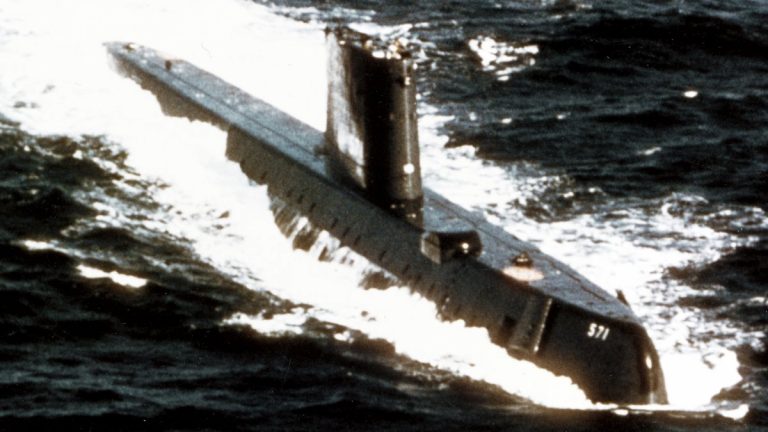
USS Nautilus underway at sea

In 1958 USS Nautilus slipped beneath the Arctic ice on a secret second attempt, carried 116 people across the geographic North Pole and emerged near Greenland after nuclear propulsion solved the endurance problem that had stopped earlier submarines

For the 116 people aboard USS Nautilus, the Arctic Ocean offered no reliable way to surface, communicate, or turn around quickly. Thick ice sealed off the sea above them. In August 1958, the nuclear-powered submarine passed beneath that ceiling and reached the geographic North Pole, opening a route that had long resisted undersea travel. The…

More

More in Technology

Detailed view of an electric car battery inside a vehicle's engine compartment, highlighting sustainable technology

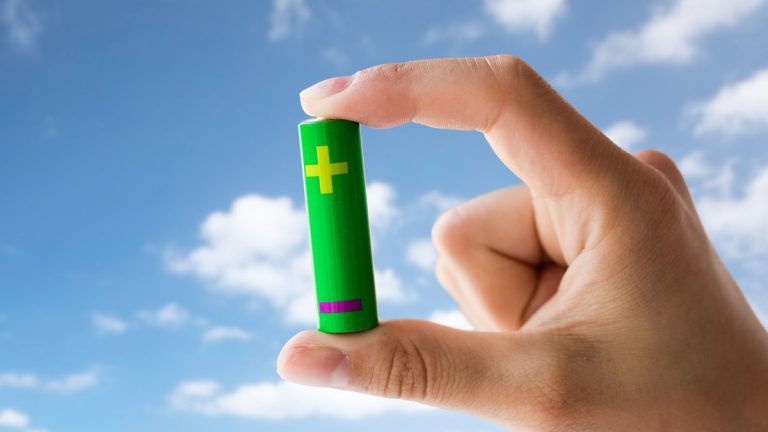
A battery stores chemical energy and every time your phone turns on, it harvests a controlled imbalance between lithium-ion materials trying to trade electrons

Researchers and educators at the University of Washington’s Clean Energy Institute describe a lithium-ion battery as a compact electrochemical system where lithium ions and electrons take separate routes through a cell. That split journey is what lets phones, laptops and electric vehicles turn stored chemical energy into useful current. The familiar language of charging and…

A modern high-speed passenger train arriving at a railway station

China built more than 50,000 kilometers of high-speed rail in 17 years, linking almost every province with trains running at 350 kilometers per hour nationwide

China State Railway Group data reported in a Xinhua announcement shows that China’s high-speed rail network has passed 50,000 kilometers, after the launch of the Xi’an-Yan’an high-speed railway on December 26, 2025. The milestone marks a new scale for modern rail infrastructure, with a national system built from a single 2008 Olympic-era line into the…