Oil producers on the Persian Gulf are accelerating plans to reach open water without passing through the Strait of Hormuz. The immediate prize is continuity: a pipeline ending at the Red Sea or the Gulf of Oman can keep some crude moving when the narrow waterway near Iran is disrupted. Yet the detours cannot carry anything close to all the oil that normally sails through the strait and they offer no equivalent escape route for most Gulf liquefied natural gas. In the first half of 2025, EIA estimated that 20.9 million barrels a day of oil moved through Hormuz, a scale that helps explain why even large new pipelines cannot replace it overnight.
Associated Press reporting in July described at least seven pipeline proposals and active projects at different stages of development. The list ranges from an expansion toward the UAE port of Fujairah to Iraqi concepts that could connect Basra with the Mediterranean or Jordan’s Red Sea coast. Construction schedules and capacities remain uncertain, especially for projects that have not reached a final build stage.
The pressure is easy to measure. The U.S. Energy Information Administration says Saudi Arabia and the UAE were the only regional OPEC producers able to reroute crude exports after the effective 2026 closure of the strait. Their existing infrastructure has become a live test of how much resilience pipelines can deliver before geography and port capacity set firm limits.
Saudi Arabia and the UAE have the working routes
Saudi Arabia’s East-West pipeline crosses the kingdom from the Abqaiq processing area to Yanbu on the Red Sea. Tankers loading there avoid Hormuz, but some voyages then face the Bab el-Mandeb Strait at the southern end of the Red Sea. Saudi Aramco’s first-quarter 2026 presentation says the roughly 1,200-kilometer system has about 7 million barrels a day of crude capacity, including roughly 2 million barrels a day that serve refineries. The remaining capacity gives the country a rare option to move significant volumes west across land before a tanker begins its voyage.
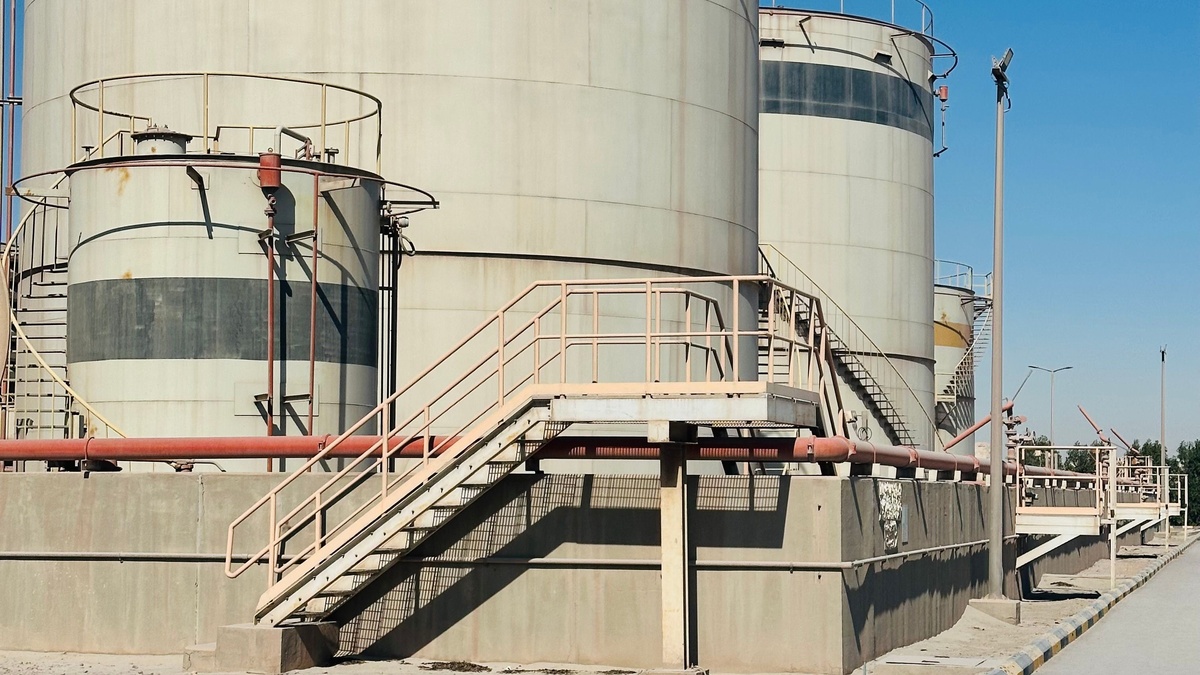
The UAE has a separate outlet on the other side of the peninsula. Its Abu Dhabi Crude Oil Pipeline carries crude to Fujairah, on the Gulf of Oman south of Hormuz. The route is shorter than a cross-Saudi detour and avoids the Red Sea, which makes Fujairah a strategically important loading point when the strait is inaccessible. Storage at the port is just as important as the pipe itself. Terminal operators must hold and schedule the crude before loading it onto ships that can leave through the Gulf of Oman.
Capacity figures need careful reading. An EIA chokepoint assessment estimates that Saudi and UAE pipelines together could provide about 4.7 million barrels a day of bypass capacity during a supply disruption. The same assessment notes that a further UAE line planned for 2027 could add 1.5 million barrels a day. A pipeline’s nameplate capacity does not always equal barrels available for exports. Refinery demand can reduce supplies for shipping. A crude-grade mismatch can also hold volumes back. Insufficient storage or berth capacity creates another constraint.
Fujairah expansion offers more capacity, later
The UAE project described by the AP would run alongside an existing route to Fujairah. It is budgeted at about $3 billion and stretches roughly 300 kilometers, or 200 miles. Its stated aim is to lift oil deliveries to Fujairah by more than 1.2 million barrels per day, adding a second route toward a port already outside the strait.
Timing is a major part of the story. The report says the work was already underway before the conflict, with Kpler estimating that it was about halfway complete. The intended finish was early 2027, while Kpler expected the port expansion needed for the extra barrels to push a more realistic completion toward the middle of that year. A pipe alone cannot create an export route until the receiving port can handle its flow. The need to coordinate those facilities is why a route announced in barrels per day may still take years to become usable at that scale.
Recent official analysis also points to rapid UAE investment, while using a different capacity figure for the existing line. In a 2026 update, EIA said the UAE’s current line had a maximum capacity of 1.8 million barrels a day and that the country intended to double it by 2027. The varying estimates reflect different descriptions of the system and usable capacity, so they should not be added together as if each figure described a separate operating pipeline.
Iraq’s alternatives would take longer to build
Iraq faces a harder starting point because its southern export system depends heavily on waterways that lead through Hormuz. The AP reported that officials are reviving plans for a route from Basra to Ceyhan, Turkey, with a possible branch toward Baniyas, Syria. The projected Syrian branch could eventually carry as much as 2 million barrels a day, according to the report. Before the conflict, the Basra terminal exported more than 3 million barrels a day and oil sales supplied about 90% of Iraqi government revenue, underscoring why Baghdad is looking for routes that do not depend on one exit.
Another long-discussed option would run from Basra to Aqaba in Jordan, where cargoes could be loaded for the Red Sea. Either scheme would need financing and international agreements before construction could begin. Port infrastructure would also have to follow. Each step carries a separate political and commercial risk, even before the line reaches a coast. Routes ending on the Mediterranean also point oil away from the Asian markets that receive most Hormuz cargoes, which can lengthen the sea voyage considerably. Tankers serving those buyers may have to round the southern tip of Africa instead of taking a direct route east from the Gulf.
Pipeline security remains a practical concern after construction. Yemen’s Houthi rebels have previously disrupted Red Sea shipping and the Saudi East-West system was shut after a drone strike in 2019. Moving crude out of one bottleneck can therefore exchange a single maritime risk for a longer chain of infrastructure and security exposures.
Oil can take a detour, LNG cannot
Bypass pipelines address only part of the energy problem because they carry crude, not chilled gas cargoes. Liquefied natural gas, or LNG, leaves Qatar and the UAE on specialized ships after gas is cooled into a liquid. The International Energy Agency estimates that about 93% of Qatar’s LNG exports and 96% of the UAE’s LNG exports passed through Hormuz in 2025, together equal to 19% of global LNG trade. Qatar alone exported more than 112 billion cubic meters that year, so interruptions affect a market far beyond the countries beside the Gulf.
There is a regional gas connection, the Dolphin pipeline, but it does not provide an export route to global LNG buyers. IEA says it carries gas from Qatar to the UAE and Oman and has limited spare capacity; Oman’s LNG terminals were already close to full use. Its Hormuz analysis therefore concludes that Qatar and the UAE have no alternative route to the world LNG market that replaces seaborne exports through the strait.
The contrast explains why new oil lines can reduce, but cannot erase, the region’s exposure. Saudi and UAE pipes may preserve some crude shipments and future projects could widen that margin. The IEA says nearly 90% of LNG that transited the strait in 2025 was headed to Asian markets, where importers have limited room to replace a sudden loss. The volume that reaches customers will still hinge on gas supply and access to secure tankers and sea lanes when the Strait of Hormuz is under stress.