A study in Science found that wild mammals inside the Chernobyl Exclusion Zone changed their daily routines during Russia’s 2022 occupation of the area, giving scientists a rare record of how animals react when warfare suddenly enters a protected landscape.
The research focused on camera-trap footage collected before, during and after Russian forces moved through the zone at the start of the full-scale invasion of Ukraine. The automated cameras had already been recording wildlife in the region, which meant the team could compare animal activity during the occupation with activity from the same season in 2021.
The results show that several mammals became less active during the occupation period. The clearest shift appeared at night, when animals including deer, moose and foxes were detected less often by the cameras. The study describes this as “reduced activity during night,” based on camera-trap detections from the field dataset.
For scientists who study wildlife under human pressure, the findings offer an unusual real-time look at a hard question. War changes noise, light, vehicle movement, access routes and human presence all at once. In Chernobyl, those disruptions arrived inside a landscape often studied because people had largely withdrawn from it.
Camera Traps Captured War’s First Shock
The study’s strength comes from timing. Researchers had camera traps operating in the Chernobyl area before Russian troops entered the region in February 2022. Those devices kept recording during a period when fieldwork by scientists would have been dangerous or impossible.
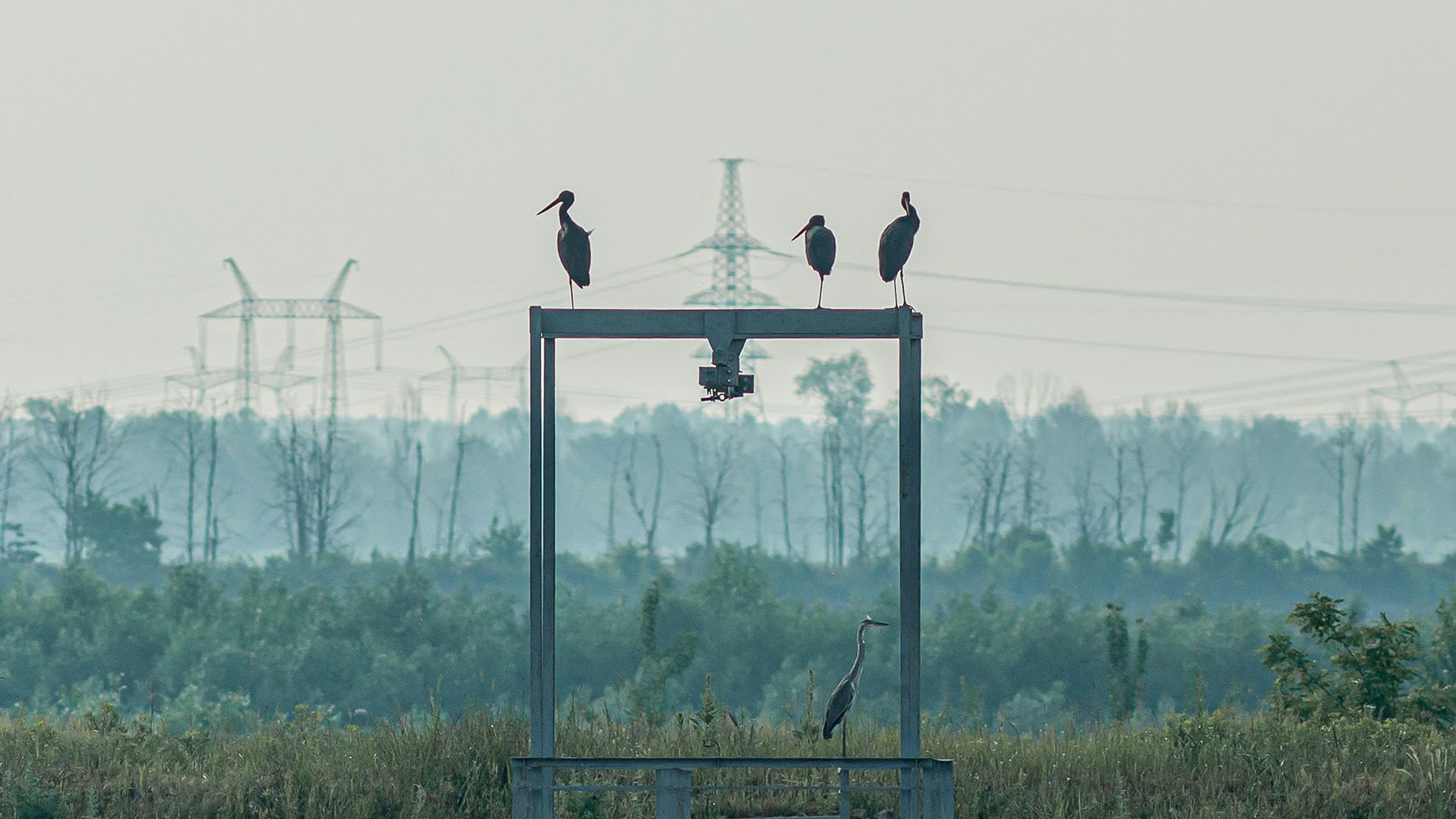
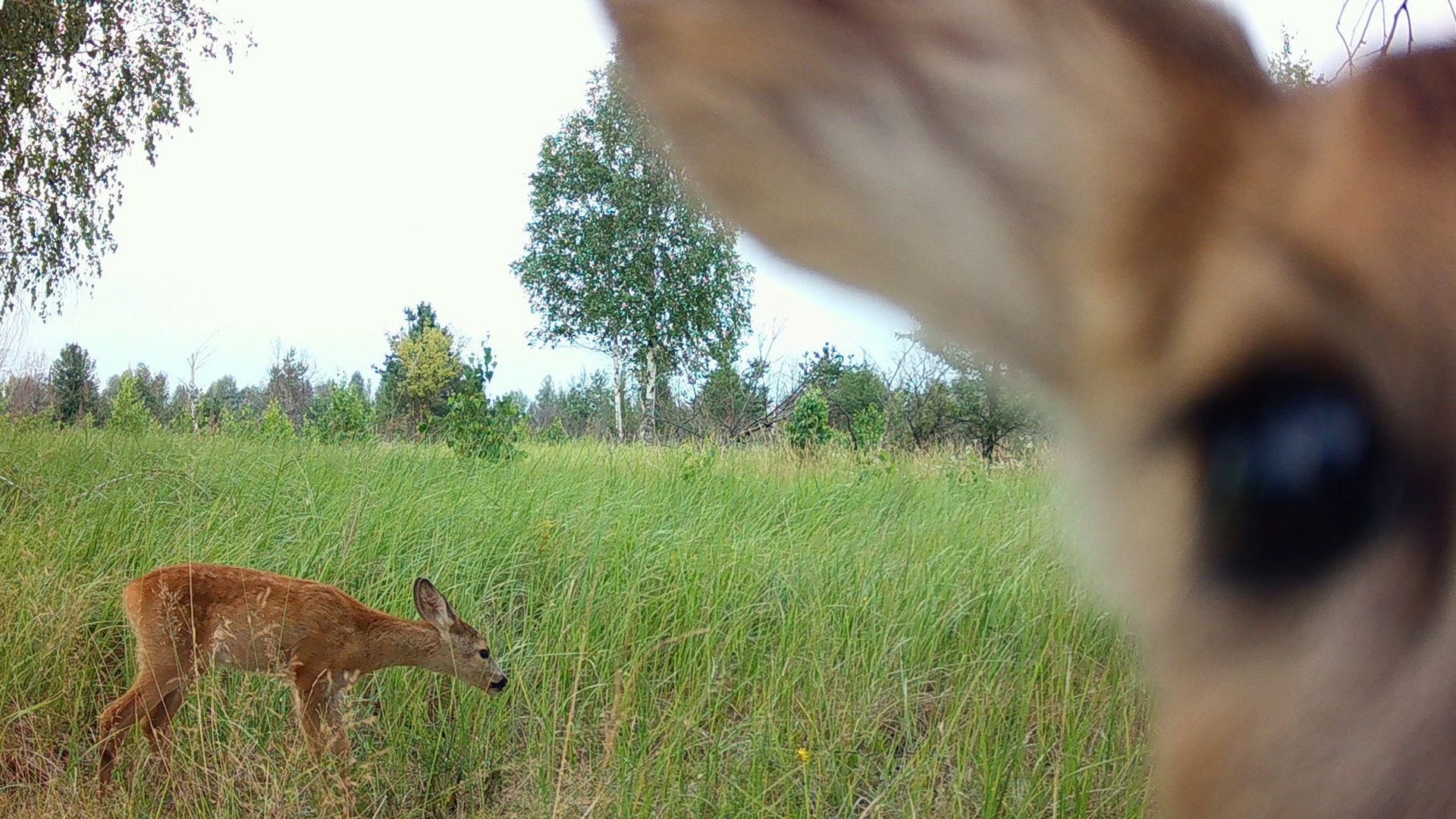
Camera traps work by detecting motion or heat and then capturing photos or video. They’re widely used in wildlife ecology because animals can pass through without a human observer standing nearby. In a conflict zone, that distance becomes even more important.
The team analyzed nearly 2,000 photographs and videos from the exclusion zone. By comparing the same seasonal windows across 2021 and 2022, the researchers could look for changes tied to the occupation rather than ordinary seasonal differences alone.
That design matters because animal movement changes with weather, food, breeding and daylight. A simple before-and-after comparison can be misleading when seasons shift. Matching the occupation period against the same calendar period from the previous year gave the researchers a cleaner view of the disruption.
According to the study team, the cameras created a record of “wildlife’s behavioral responses to armed conflict in real time.” That kind of evidence is rare, because wars often block access to the very places where ecological change is unfolding fastest.
The Exclusion Zone Became a War Zone
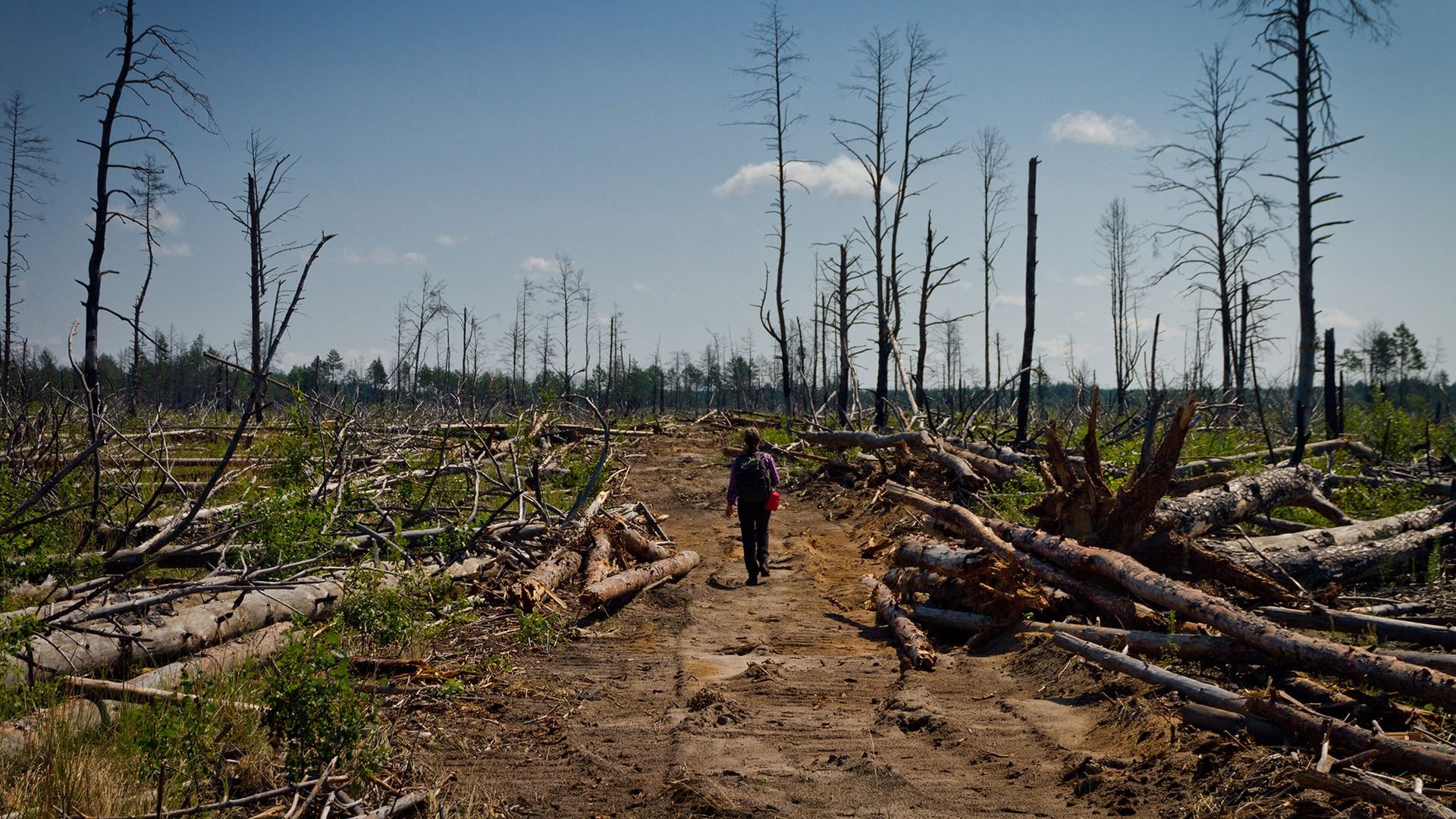
The Chernobyl Exclusion Zone surrounds the site of the 1986 nuclear disaster in northern Ukraine. After the reactor explosion, authorities evacuated settlements and restricted most human activity across a broad area. Over time, forests, wetlands, abandoned villages and open habitats became home to a striking variety of wildlife.
For decades, the zone has served as a natural laboratory. Scientists have studied how animals use landscapes shaped by radiation, abandonment and low human presence. The region covers roughly 1,000 square miles, or about 2,600 square kilometers, making it one of Europe’s most unusual long-running ecological study areas.
In February 2022, Russian forces seized control of the area during the opening phase of the invasion of Ukraine. Military vehicles, troops, weapons fire and other disturbances moved through a landscape that had been protected from many forms of daily human activity.
That sudden change gave researchers an unsettling opportunity. “I wish the opportunity to analyze how the unfolding invasion affected wildlife ha[d] never happened,” said Svitlana Kudrenko, who conducted the study as part of her PhD at the University of Freiburg in Germany.
Kudrenko also pointed to the character of modern conflict. “Unlike in preindustrial times, current interstate conflicts are highly detrimental for wildlife because of a long list of warfare, often operated remotely,” she said. The comment reflects a central concern of the field, which is that today’s conflicts can reshape ecosystems through many overlapping pressures.
Mammals Moved Less at Night
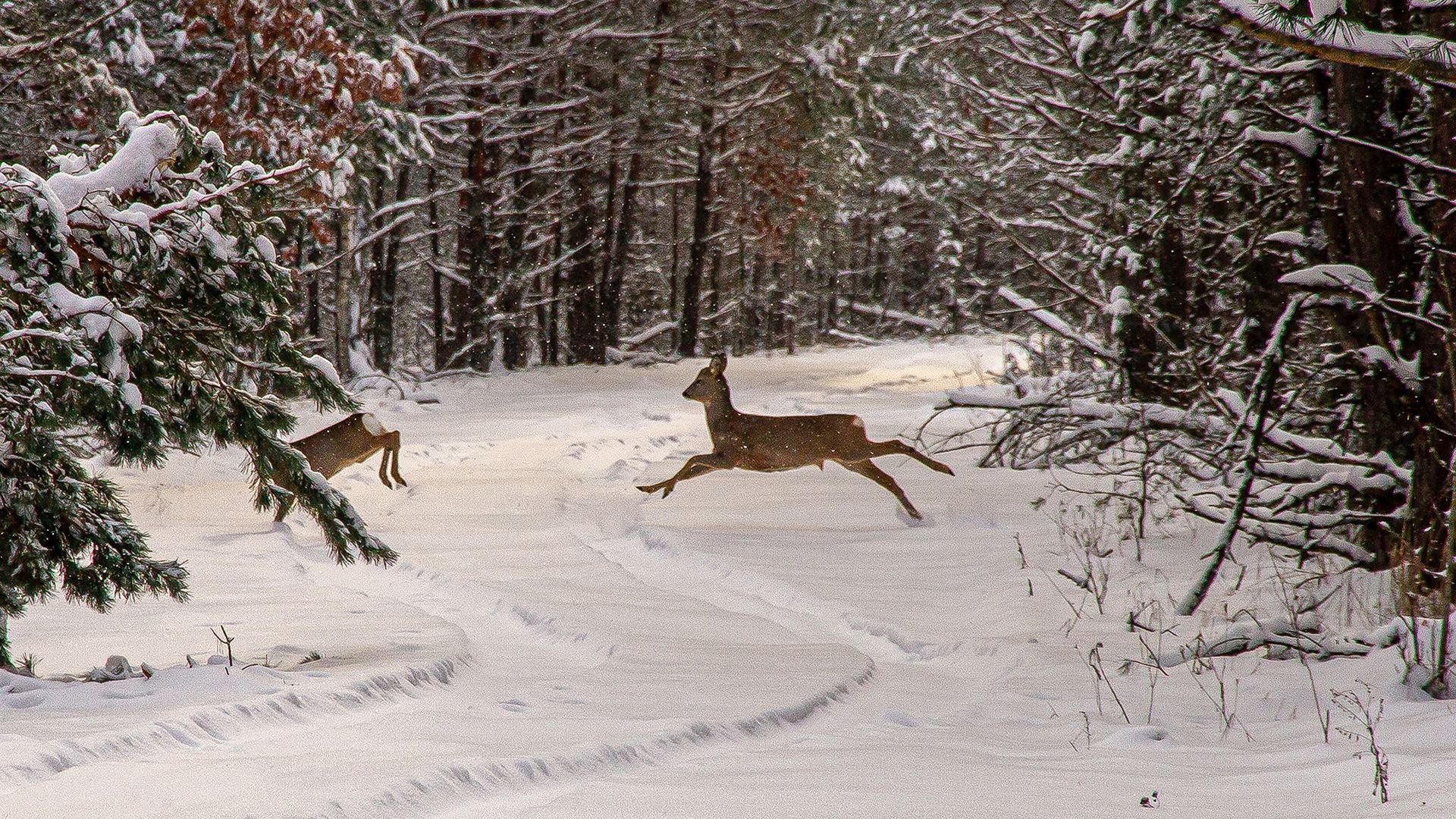
The clearest behavioral pattern in the study was a drop in nighttime activity during the occupation. Several mammal species appeared less often in camera-trap records at night, when many animals usually move, forage, or avoid humans.
That change is important because nighttime can provide cover. In many places, mammals shift more activity into darkness when human disturbance rises during the day. The Chernobyl results suggest that wartime disturbance can make the night itself feel risky for some animals.
The study reported reduced activity in species including roe deer, red deer, moose and red foxes. These animals differ in size, diet and habits, so a shared decline in activity points to a broad environmental disturbance rather than a response limited to one kind of animal.
For prey species such as deer, movement carries risk even under ordinary conditions. During conflict, unfamiliar noise, lights, vehicles and people may make normal routes harder to use. For predators and omnivores such as foxes, the same disturbance may alter hunting, scavenging, or travel behavior.
The findings describe activity, rather than direct population loss. Camera detections can reveal when and how often animals pass a camera. They give a powerful window into behavior, while longer-term surveys would be needed to measure survival, reproduction, or population size.
Eleven Species Showed Behavioral Shifts
The researchers examined responses from 11 wild mammal species. The available images and videos showed that animal behavior shifted during periods of heavier fighting and occupation-related disturbance.
The species list included familiar European mammals as well as animals that have become closely associated with Chernobyl’s post-evacuation landscape. Deer and moose were among the large herbivores detected. Foxes represented smaller, more flexible mammals that often adjust quickly to changing human activity.
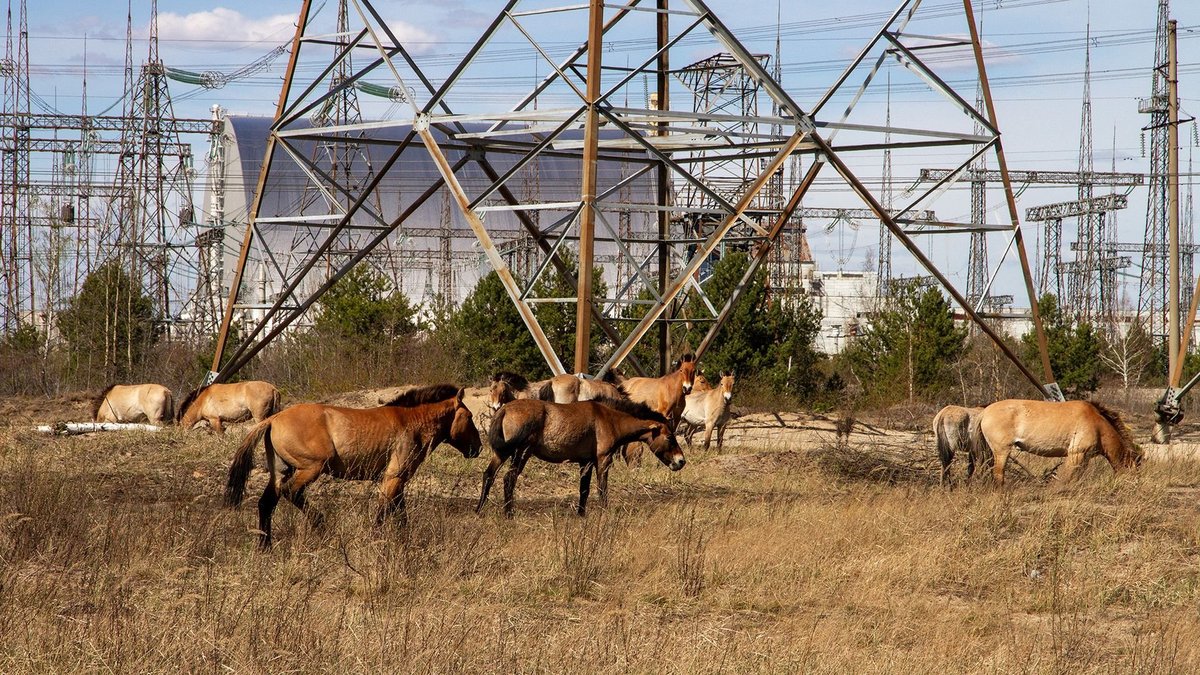
The region is also known for Przewalski’s horses, a rare wild horse introduced to the area after the nuclear accident. Images from the wider research context show these horses near the Chernobyl Nuclear Power Plant in 2020, before the invasion brought renewed human disturbance to the zone.
Different species likely sensed and responded to the conflict in different ways. Some animals may react strongly to sound. Others may respond to vehicle tracks, scent, lights, sudden human movement, or blocked travel routes. The camera records capture the behavioral outcome, while the exact sensory triggers may vary from species to species.
That complexity is part of why the study is valuable. It shows that warfare can influence wildlife behavior across a community, even when each species has its own ecology. In practical terms, conservation planning in conflict-affected landscapes may need to consider daily activity patterns as well as habitat damage.
Why War Ecology Is Hard To Study
War ecology is difficult because researchers cannot safely move through active combat areas. Field teams may lose access to study sites for months or years. Equipment can be damaged, roads can close and ecological monitoring may stop exactly when disturbance reaches its peak.
In many conflicts, scientists are left with scattered observations after the fact. They may document burned forests, damaged wetlands, polluted soils, or abandoned conservation work. Immediate behavioral responses are much harder to catch.
The Chernobyl study was different because the monitoring system was already in place. The cameras kept gathering data when people could no longer safely collect observations in person. That turned an existing wildlife project into a record of sudden disturbance.
The location also made the findings especially meaningful. The exclusion zone had long been shaped by restricted human presence. When military activity arrived, animals encountered a dramatic change in the intensity and character of human disturbance.
Still, the results need careful interpretation. Camera traps detect animals only when they pass within view. A drop in detections can reflect less movement, route changes, altered timing, or reduced use of camera-covered areas. The study’s comparisons help separate these possibilities, but they cannot reveal every cause behind each animal’s behavior.
A New Tool for Measuring Conflict’s Environmental Cost
The study shows how automated wildlife monitoring can help scientists measure the ecological effects of war. Cameras can operate quietly for long periods and their records can be analyzed after access improves. In places where fieldwork becomes unsafe, that persistence can be crucial.
For conservationists, behavior can provide an early warning signal. Animals may change when they move before population declines are visible. If researchers can detect those shifts quickly, protected-area managers may be better able to identify sensitive zones, key travel corridors, or periods when disturbance is especially harmful.
The findings also widen the discussion about the environmental cost of armed conflict. War can damage ecosystems through fire, explosions, pollution, land mines, habitat fragmentation and disrupted conservation work. This study adds daily animal behavior to that list of measurable impacts.
Kudrenko said the work points to a need for stronger conservation strategies in conflict-affected regions. “Our study highlights the need to develop and implement research and conservation strategies focusing on armed conflict impacts on wildlife and environment in general, especially in areas of conservation importance,” she said.
As wars continue to affect protected areas around the world, tools like camera-trap monitoring may become increasingly important. In Chernobyl, they recorded a sudden change in the lives of animals moving through forests, wetlands and abandoned settlements. The result is a clearer picture of how quickly wildlife can adjust when a refuge is overtaken by conflict.