The New Zealand Department of Conservation reported in its kākāpō population update that intensive conservation management has helped one of the world’s rarest parrots grow from a 1995 low of 51 birds to almost 250 individuals. The rescue has unfolded through predator-free islands, individual monitoring, genetic planning, nest protection and carefully timed breeding support.
Through decades of fieldwork, the Kākāpō Recovery Programme has turned a near-extinction crisis into one of conservation biology’s most closely watched experiments. The bird at the center of it is extraordinary by any standard. The kākāpō is a heavy, nocturnal, ground-dwelling parrot that evolved in New Zealand’s ancient island forests.
The recovery remains fragile. Kākāpō breed slowly, depend on unusual ecological signals and still face disease risks. Yet the population has more than quadrupled since the mid-1990s, showing how patient science can buy time for a species that nearly disappeared.
A Parrot Built for a Predator-Free World
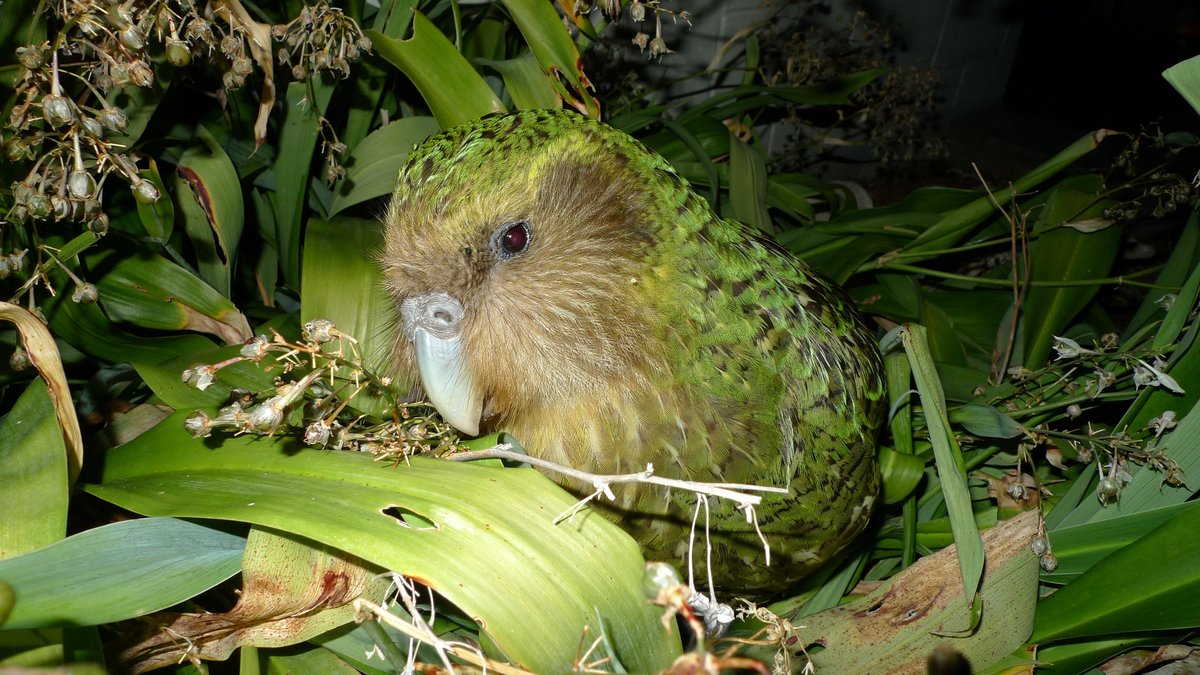
The kākāpō looks like a bird from a quieter version of Earth. It’s large, moss-green, nocturnal and flightless. Adults can reach several kilograms in weight, which makes the species the heaviest living parrot.
Its body reflects the world it came from. For millions of years, New Zealand had no native land mammal predators. In that setting, a bird could survive by freezing in place, blending into vegetation and moving mainly under cover of darkness.
Kākāpō also have a striking scent, often described as sweet or musky. In a forest without mammalian hunters, that scent carried little danger. Once smell-driven predators arrived, the same trait became a liability.
The bird’s lifestyle is deeply tied to the forest floor. It climbs well using its beak and claws and it can move through dense vegetation with surprising skill. Its wings help with balance, though they no longer carry it into the air.
Why the Kākāpō Nearly Vanished
New Zealand’s ecosystems changed sharply after people and introduced mammals arrived. Rats, cats, stoats and other predators reached islands where many native birds had few defenses against them. Ground-nesting species suffered heavily.
For the kākāpō, the danger was especially severe. Adults could be killed by larger predators. Eggs and chicks were vulnerable to rats. A slow breeding cycle gave the population little room to recover after repeated losses.
Habitat change added pressure. Forest clearance reduced the places where kākāpō could feed and breed. Hunting and collection also contributed to the decline over time.
By the late 20th century, conservationists faced a frightening possibility. The bird had become so rare that finding survivors was itself a major event. Males were found in remote areas, but the future depended on locating females and protecting nests.
The 51-Bird Crisis of 1995
The modern rescue effort is often anchored to 1995. That year, the known population stood at just 51 kākāpō. The number was small enough that every individual mattered.
The Department of Conservation and its partners began intensive management that treated the species almost bird by bird. Each animal could be tracked, weighed, health-checked and included in breeding decisions. The work demanded constant attention.
This was conservation at a rare level of detail. Managers had to know which birds were related, which females were likely to nest, which eggs needed help and which islands offered the best chance of survival.
The low population also created a genetic bottleneck. When a species falls to only a few dozen individuals, future generations may inherit a narrower range of genetic variation. That can affect fertility, disease resistance and long-term adaptability.
Predator-Free Islands Became Lifeboats
The first priority was safety. Kākāpō were moved to islands where invasive predators could be removed or tightly controlled. These islands became lifeboats for a bird that could no longer survive in many former habitats.
Predator-free islands changed the odds. Adults could feed and move with lower risk. Nests could be watched. Eggs could be protected from rats and other threats.
Even so, safety alone did not solve the problem. Kākāpō reproduction is slow and highly irregular. The birds can go years between major breeding events, depending on forest conditions.
That forced scientists to look beyond simple protection. The programme had to understand what makes the species breed. Over time, one tree became central to the answer.
Rimu Fruit Held the Breeding Clue
The rimu tree became one of the key pieces of the kākāpō puzzle. This native New Zealand conifer produces heavy fruit crops in mast years. Those events can be separated by several years.
Kākāpō breeding is closely linked to these rimu fruiting events. When rimu fruit is abundant, females have access to the rich food needed for egg production and chick rearing. The timing gives the species a natural breeding signal.
That link helps explain why the birds can remain quiet for long stretches. A protected island can have safe habitat and careful management, while still waiting for the forest to provide the right signal.
The Department of Conservation reported that large rimu mast events in 2016, 2019 and 2022 helped drive major population growth. From 2016 to 2023, the population doubled as a result of those strong breeding seasons.
How Diet Changed Chick Survival
Food support became a powerful tool, though it required precision. Conservation teams used supplementary feeding to help females enter breeding seasons in better condition. Extra nutrition could improve egg laying and chick care.
The approach had to be refined. Too much food can change body condition in ways that affect reproduction. In kākāpō management, feeding became a carefully measured intervention rather than a simple matter of giving more.
The goal was to support natural breeding cues without overwhelming them. Managers needed females healthy enough to reproduce, while still keeping the process aligned with ecological signals such as rimu fruiting.
This is where the kākāpō story becomes a lesson in biological detail. Saving a species can depend on small adjustments in diet, timing and individual care. A few grams, a few weeks, or a single nest decision can matter.
Genetics Turned Every Bird Into a Data Point
As numbers dropped, genetic management became central to the recovery. A population founded on a small number of survivors carries a limited genetic legacy. Breeding choices can shape how much of that legacy remains.
For kākāpō, every pairing can be important. Managers can use relatedness information to reduce inbreeding risks and preserve rare genetic lines. The aim is a population that can grow while keeping as much variation as possible.
Modern tools have expanded that work. Genomic sequencing can help reveal hidden variation across the population. It can also support research into fertility, growth, disease risk and chick survival.
The result is a conservation programme that blends field biology with data science. Rangers still walk through wet forests at night. At the same time, researchers use genetic information to make decisions that could affect the species for generations.
Fake Eggs Helped Protect Real Chicks
Some of the most unusual interventions involve eggs. Kākāpō nests can be monitored closely and eggs may be moved for artificial incubation when risks are high. That gives fragile embryos a better chance during critical stages.
Conservation teams have also used smart eggs or artificial egg systems in kākāpō management. These devices can help keep a female engaged with the nesting process while the real egg is protected elsewhere.
The idea sounds futuristic, but the biological logic is simple. A nesting female responds to cues from the egg and chick. Artificial eggs can help preserve that rhythm until the chick is ready to return.
This kind of intervention shows how far the rescue has gone. The programme has used islands, feeding, genetics, veterinary care, artificial incubation and monitoring technology. Each tool addresses a specific weak point in the kākāpō life cycle.
The 2019 Breeding Breakthrough
The 2019 season became a landmark for kākāpō recovery. A strong rimu fruiting event helped trigger widespread nesting. The year produced a major jump in the number of young birds.
That success showed the value of long-term preparation. When the forest produced the right conditions, teams were ready. They could support females, monitor nests, manage eggs and respond quickly when chicks needed care.
For a species that once stood at 51 known individuals, a productive season carries enormous weight. Each surviving chick adds more than one bird to a tally. It also adds future breeding potential.
The Department of Conservation’s later reporting connected the population’s strong growth to the rimu mast years of 2016, 2019 and 2022. Those seasons helped push the recovery from emergency survival toward cautious expansion.
A Disease Outbreak Exposed the Risk
Even after strong breeding years, the kākāpō remains vulnerable. Small populations can be hit hard by disease because many individuals may share related genetic backgrounds. A single outbreak can threaten years of progress.
One major concern has been aspergillosis, a fungal disease that can affect the respiratory system of birds. In a rare species, treating infected individuals can require urgent transport, specialist veterinary care and close coordination.
Disease risk adds another layer to conservation planning. Predator-free islands protect against rats, cats and stoats, though they still need biosecurity against pathogens. People, equipment and supplies must be managed carefully.
The lesson is sobering. Population growth is essential, yet numbers alone do not remove risk. A healthier future depends on more birds, more safe sites and stronger resilience across the whole species.
The Return to Mainland New Zealand
In 2023, kākāpō returned to mainland New Zealand in a historic translocation to Sanctuary Mountain Maungatautari. The Department of Conservation described the move as a step toward restoring the birds to more of their natural range.
A DOC media release called the species “one of Aotearoa New Zealand’s most iconic and rare species.” The release also framed the move as part of a larger recovery effort led with Ngāi Tahu and conservation partners.
The site is a large fenced sanctuary in Waikato. Its predator-resistant barrier protects thousands of hectares of forest. For kākāpō recovery, it offers a chance to test how birds behave in a mainland environment after decades of offshore island management.
The move also brought practical challenges. Kākāpō are flightless, yet they can climb with remarkable determination. Their behavior helps managers learn what fences, habitats and monitoring systems must do in future release sites.
What Comes Next for the Kākāpō
The next phase of recovery centers on growth with resilience. The species needs more individuals, more breeding females and more secure places to live. It also needs careful protection from predators and disease.
The long-term goal is greater autonomy. Conservationists want kākāpō to survive and reproduce with less direct help over time. That will require safe habitat, strong biosecurity and enough genetic diversity to support future generations.
The bird’s recovery also carries a broader message for conservation science. Emergency action can work when it is patient, adaptive and grounded in the biology of the species. Kākāpō needed more than protection. They needed a recovery plan built around their unusual life.
Today, the giant flightless parrot stands as one of the clearest examples of intensive species rescue. Its future is still being written in New Zealand’s forests, one breeding season at a time.