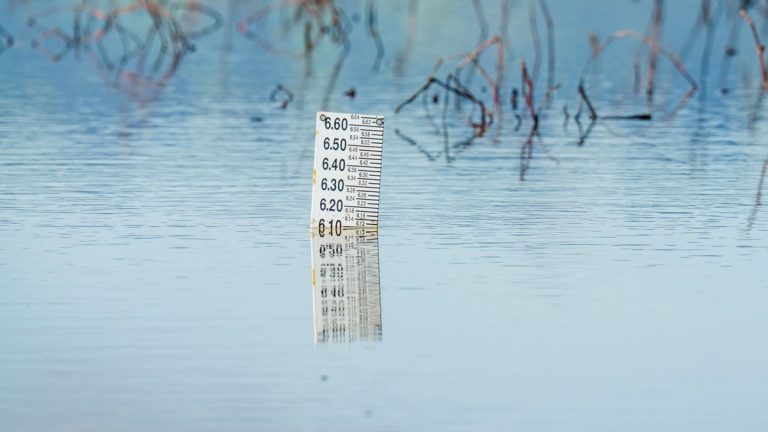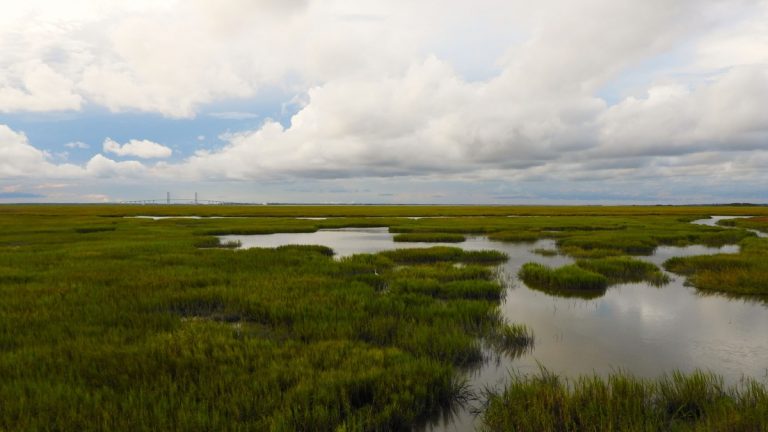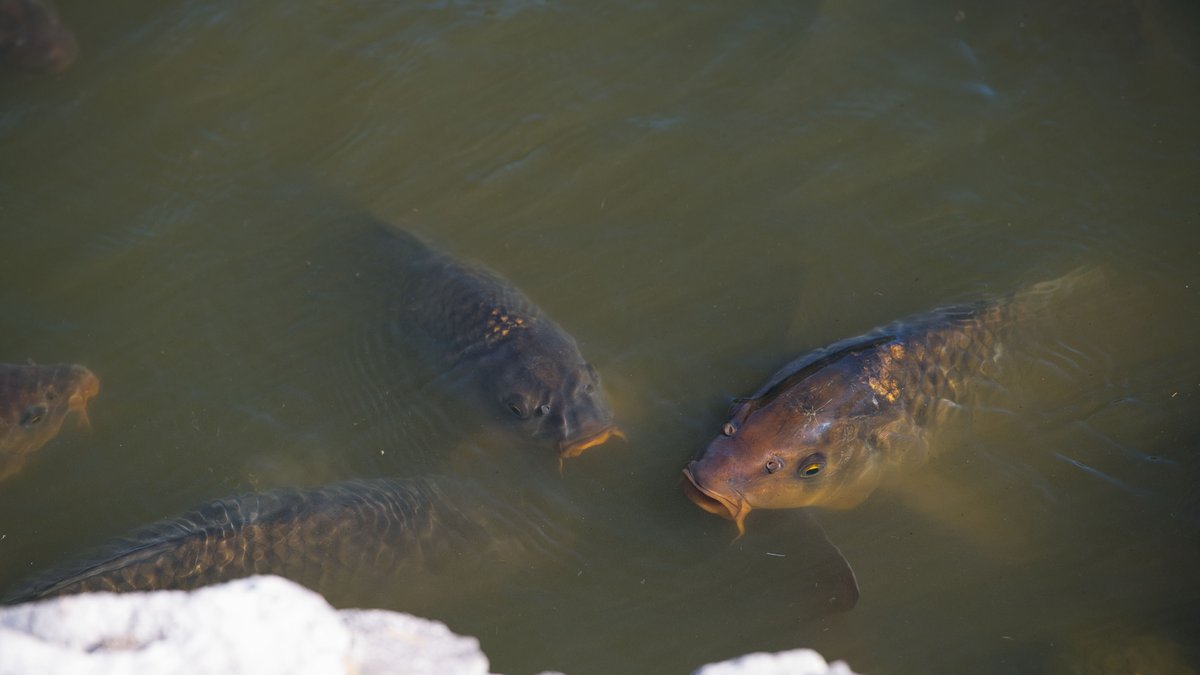
A study in Biological Reviews has found that freshwater browning is reshaping fish communities in northern lakes. The research links darker water with slower growth in many fish and with major differences in which species become more common. In many unstocked lakes, that shift could mean fewer trout, bass, perch and whitefish. It could also mean more northern pike and walleye.
The change is easy to picture. A lake that once looked clear can slowly take on a tea-colored tint. That brown color comes largely from carbon-rich material washing in from soils and surrounding vegetation. As the water darkens, light fades faster below the surface. Fish still live there, feed there and reproduce there, but the underwater world they navigate has changed.
Researchers combined a broad review of earlier work with new analyses of lakes in North America and Europe. Their results suggest that freshwater browning can ripple from individual fish to whole populations. The pattern matters for ecosystems, fisheries and anyone who has watched a familiar lake change color over a lifetime.
Why lakes are getting darker
Freshwater browning has become more visible across much of northeastern North America and northern Europe. It happens when more dissolved organic carbon and related compounds move from land into lakes, ponds, streams and rivers. Those compounds absorb light and give water its brownish color.
Climate plays a major role. Warmer conditions and stronger runoff can move more soil-derived material into freshwater systems. Heavy rain can flush organic matter from wetlands, forests and lake edges. Once that material reaches the water, it changes what sunlight can do below the surface.
Air pollution policy has also changed lake chemistry in some regions. As acidic emissions have declined, less acid has fallen back to Earth in rain and snow. That recovery can alter soils in ways that allow more carbon compounds to move into nearby waters. The result can be a darker lake even when the surrounding landscape looks unchanged.
The brown tint is often compared with tea because the process is visually similar. Plant-derived compounds leach into water and stain it. In lakes, that stain can influence visibility, heat, nutrients, oxygen and the food web. For fish, the first obvious effect is a dimmer visual world.
What browning changes underwater
Underwater visibility shapes nearly everything a fish does. Fish use sight to find prey, avoid predators, choose habitat and interact with other fish. When water becomes darker, those basic tasks can become more difficult for species that rely heavily on vision.
The Biological Reviews study found that the effects of browning vary across species and across levels of biology. At the level of individual fish, earlier research often showed slower growth in darker waters. The authors summarized this pattern by writing that “fish growth is often negatively associated with browner waters.” That quote comes from the study abstract and captures one of the clearest signals in the review.
Growth matters because small changes in individual performance can build into larger changes over time. If fish grow more slowly, they may reach smaller sizes, reproduce differently, or survive at different rates. Those individual effects can eventually influence the number of fish in a lake.
The study also looked beyond growth. The researchers examined how fish traits change across lake communities. In an analysis of 303 Canadian lakes, fish communities in darker waters were more likely to include species with larger eyes. That finding points to the importance of light and visibility, since larger eyes can help animals gather more light in dim conditions.
Still, browning does many things at once. It can change light, temperature patterns and food availability. It can alter where prey are found and how predators hunt. That complexity helps explain why different fish species can respond in different directions.
Fish species losing ground
The study’s population analysis covered 871 lakes across North America and Europe and focused on eight economically important fish species. In darker waters, several familiar species tended to show lower abundance. These included lake trout, yellow perch, largemouth bass, smallmouth bass and lake whitefish.
These findings are associations along a browning gradient. They show that browner lakes tended to have fewer fish of those species in the datasets analyzed. The results also fit the broader idea that reduced visibility can make life harder for fish that depend strongly on clear-water conditions.
Lake trout and lake whitefish are cold-water species with important ecological and economic roles. Bass and perch support major recreational fisheries. If browning continues in many northern waters, managers may need to consider how changing water color interacts with warming, invasive species, stocking, fishing pressure and habitat change.
Brook trout stood apart from the species with the clearest declines in the study’s population analysis. The broader pattern still suggests that many valued fish can lose ground as waters darken. The key message is species-specific. A brown lake can become a different fishing lake and a different ecological community.
Why pike and walleye can thrive
Pike and walleye showed the opposite pattern from many other species in the analysis. Browner waters were associated with greater abundance of northern pike and walleye. For anglers, that could mean more chances to encounter large predatory fish in lakes that have darkened over time.
One reason may be sensory biology. Walleye are famous for their ability to feed in low light. Their eyes include adaptations that improve vision when sunlight is weak or water is stained. That gives them an advantage at dawn, dusk and in darker water.
Pike bring another powerful tool. They have a well-developed lateral line system, a sensory network that detects movement and pressure changes in the water. This helps them locate prey even when visibility drops. A fish that can sense vibration well may still hunt effectively in a dim lake.
Predator-prey relationships can also shift when water clarity changes. If prey fish have a harder time seeing predators, or if some predators can hunt with less reliance on vision, the balance of risk changes. Over time, those small encounters can influence which species dominate.
The finding does mean darker water benefits every pike or walleye population in every place. Lake depth, temperature, prey availability, habitat and fishing pressure all matter. The study shows a broad pattern across many lakes and that pattern suggests that sensory traits can help explain why some species prosper while others decline.
What anglers may catch next
For people who fish the same lakes year after year, browning can feel personal. A lake that once produced trout or bass may start yielding different catches. The change may arrive slowly and it may be easy to blame a bad season. Over many years, water color can become part of the story.
Anglers may also need to rethink how fish find lures in darker water. Bright colors and flash depend on visibility. In stained lakes, vibration, scent, sound and lure profile can become more important. A lure that moves water strongly may be easier for fish to detect through the lateral line.
For walleye and pike, darker water may favor methods that appeal to low-light hunting. Vibrating lures, scented presentations and slower retrieves can help fish locate a target. Local conditions still matter. A shallow brown lake and a deep cold lake can fish very differently.
Fishery managers face a broader challenge. Browning can interact with climate change, land use and recovery from acid rain. It can also affect lake food webs in ways that extend beyond game fish. Tracking water color, dissolved organic carbon and fish communities together may help managers detect changes earlier.
The study gives scientists and anglers a shared language for what many people are already seeing. Brown water is a sign of changing chemistry and changing light. In northern lakes, that shift can favor some fish while putting pressure on others. The next trophy catch may say as much about the lake’s changing water as it does about the angler’s skill.