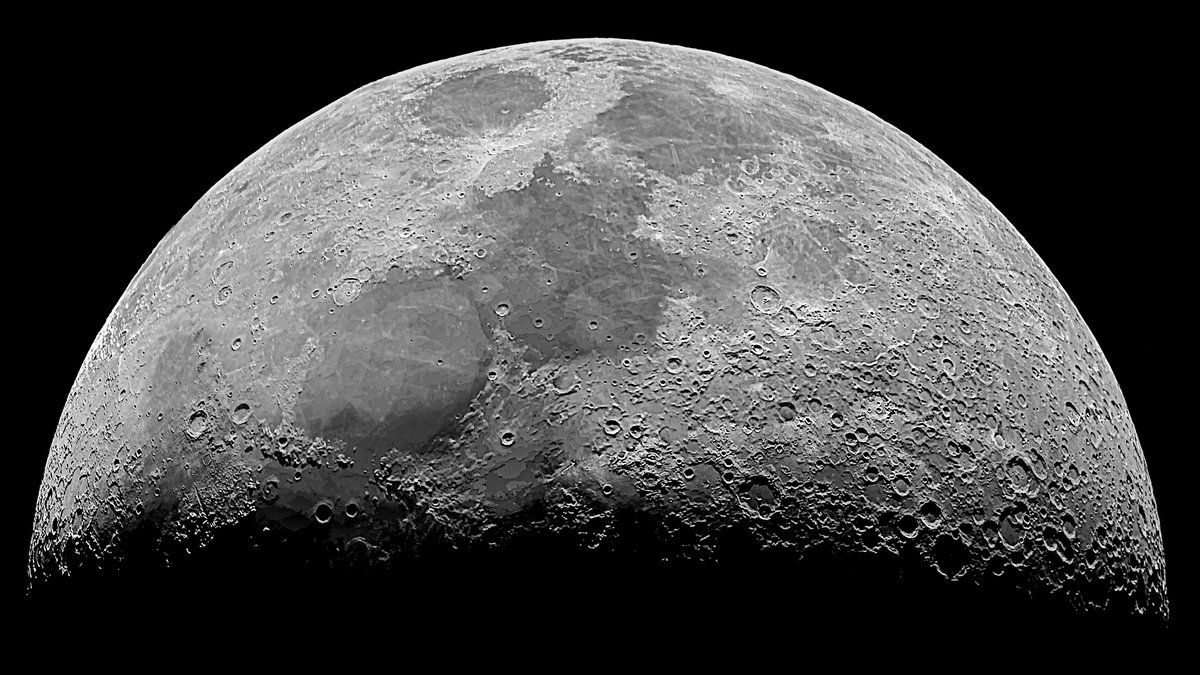
NASA is now examining the thousands of images and spoken observations gathered during Artemis II, after the crew used months of geology training to study the Moon during their April 6, 2026, flyby. The mission gave Reid Wiseman, Victor Glover, Christina Koch and Jeremy Hansen a rare assignment. They had to look at the lunar surface the way field geologists look at rocks on Earth.
The flight marked a major rehearsal for the science NASA expects from future Artemis crews. Artemis II flew around the Moon without landing, then splashed down in the Pacific Ocean on April 10, 2026. During that journey, the crew photographed and described impact craters, ancient lava plains, surface cracks, ridges and subtle color changes. Those details will help NASA refine how astronauts observe the Moon from orbit and eventually from the surface.
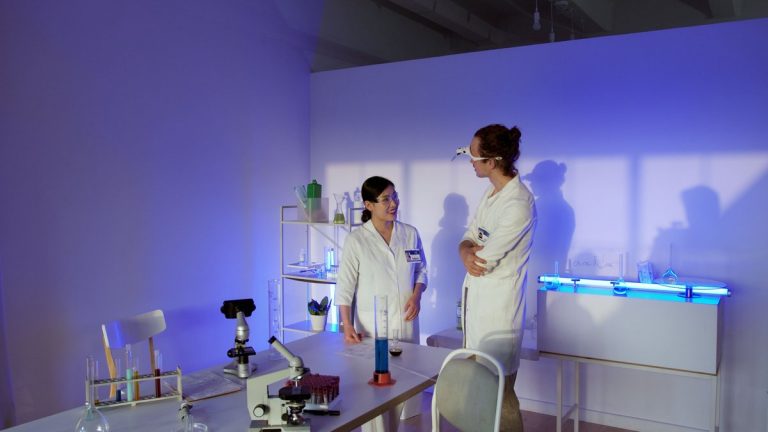
For the crew, the work began long before launch. NASA’s lunar science team built a training program that combined classroom geology, field practice, camera drills and mission simulations. The goal was simple and demanding. Astronauts had to learn how to notice meaningful patterns quickly from inside Orion, then explain those patterns clearly enough for scientists on Earth to use.
Why Artemis II needed lunar field science
NASA designed Artemis II as a human test flight around the Moon, but the mission also carried a serious science role. As Orion swept past the lunar surface, the crew became trained observers in a place no one had seen directly for more than half a century. Their reports added human judgment to the long record of robotic mapping.
Modern spacecraft have studied the Moon in extraordinary detail. NASA’s Lunar Reconnaissance Orbiter has mapped the surface for years and other missions have measured mineral signatures, temperatures, topography and radiation. A human observer brings another skill to that record. Astronauts can react in real time when a landscape looks unusual.
That matters because geology often begins with pattern recognition. A crater rim can reveal how hard the impact struck. A bright ray can show where fresh material was thrown outward. A change in color can hint at a different rock type or volcanic deposit. From orbit, those clues appear in flashes as lighting, speed and viewing angle all change.
Artemis II also tested how well a crew could coordinate observations with the ground. NASA’s science team created a minute-by-minute plan for the flyby. The crew had to balance photography, verbal descriptions, spacecraft operations and timing. Future crews near the lunar south pole will face the same need for fast decisions.
How Apollo shaped the training plan
The Artemis training program drew heavily from Apollo, when NASA learned that astronauts could become remarkably effective field observers. Apollo crews practiced geology in deserts, volcanic regions and impact-like landscapes before walking on the Moon. Those lessons changed what they saw when they reached the surface.
Artemis II revived that idea for a new era. The crew studied the Moon’s history through impacts, ancient volcanism and tectonic stress. They learned how craters form, how lava fills basins and how fractures can cut through older terrain. The point was to build a mental map of processes before the crew ever looked out the window.
NASA also trained the astronauts to describe what they saw in useful language. A phrase like “rough terrain” has limited value unless it is tied to scale, shape, brightness, location and texture. Field scientists learn to separate quick impressions from careful descriptions. Artemis II astronauts practiced that discipline repeatedly.
Photography was part of the same system. A sharp image is most useful when paired with a clear description of why the target mattered. The crew had to know camera settings, window geometry, lighting conditions and the observation plan well enough to work under time pressure. Those rehearsals helped turn a brief flyby into a structured science campaign.
Moon lessons in Labrador and Iceland
One of the most important classrooms was northern Labrador, where astronauts could study rocks shaped by a huge ancient impact. Impact structures help scientists teach what happens when enormous energy strikes a planetary surface. Rocks can shatter, melt, mix and settle into patterns that preserve the violence of the event.
That experience matters on the Moon because impacts dominate the landscape. Every crater tells a story about speed, angle, target material and time. By handling impact-altered rocks on Earth, astronauts learn what kinds of evidence might lie behind the shapes they see from space.
The crew also trained in Iceland, where volcanic terrain offers useful parallels to the Moon. Iceland’s lava fields, loose ash and stark highlands give astronauts a way to practice reading dark plains and rough volcanic surfaces. The Moon has no weathering like Earth’s, but volcanic forms still leave recognizable clues.
Fieldwork also teaches scale. A feature that looks smooth from far away can become jagged up close. A slope can hide layers. A color shift can mean a different material, or a lighting effect. By moving through real terrain, the crew learned to ask better questions while looking at distant lunar landscapes.
The training was also physical and conversational. Astronauts had to move, observe, compare and speak precisely. That habit becomes valuable inside a spacecraft, where the view changes quickly and the science team on Earth depends on concise descriptions.
What the crew watched from Orion
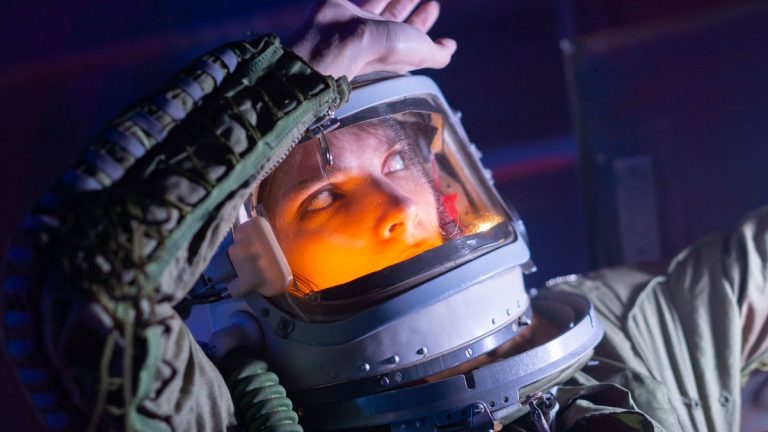
During closest approach on April 6, the Artemis II crew used their training as Orion passed the Moon. NASA said the astronauts photographed and described craters, ancient lava flows, cracks and ridges. These targets are basic building blocks of lunar history.
One especially interesting region was the Aristarchus Plateau, a bright and geologically complex area on the near side of the Moon. The plateau is known for volcanic diversity and striking contrasts in brightness. It gives observers a natural test case for recognizing color, texture and layering from orbit.
The crew’s spoken descriptions were part of the data. A photograph freezes a view, while a human observer can add context in the moment. Astronauts can say whether one material appears to sit on top of another. They can point out a faint color that a camera may handle differently. They can also flag features that deserve follow-up.
NASA’s lunar science team will compare those observations with images, maps and mission timing. That review can show which training methods worked best. It can also reveal which kinds of targets are easiest or hardest for astronauts to identify from a moving spacecraft.
Why human eyes still matter
Robotic missions remain essential to lunar science. They can map wide areas, repeat measurements and gather data for years. Human eyes add another layer because people are skilled at noticing surprises. A trained astronaut can shift attention when something looks strange.
Cindy Evans, NASA’s Artemis geology training and strategic integration lead at Johnson Space Center, has described Artemis astronauts as scientists whether they are “looking out the spacecraft’s windows or walking the surface.” That idea captures the heart of the mission’s science training.
Human observations are especially useful when landscapes are complex. The Moon’s surface records overlapping events. A volcanic plain may be crossed by cracks. A young impact may scatter bright material across older ground. Low-angle sunlight can make subtle relief stand out for only a short time.
Astronauts can also connect sight with judgment. If a crater looks unusually fresh, they can say so. If a ridge seems to cut across another feature, they can describe that relationship. Those observations help scientists decide where future cameras, instruments and sample collectors should focus.
Evans has also said Artemis crews can “collect clues to the ancient geologic processes” that shaped the Moon and the solar system. For future surface missions, that skill will become even more important. A well-chosen rock sample can answer questions that a random sample would miss.
What Artemis II teaches future Moonwalkers
The clearest lesson from Artemis II is that science operations need practice as much as spacecraft systems do. Future crews near the lunar south pole will work in challenging lighting, rough terrain and cold shadowed regions. They will need to identify useful targets while managing time, safety, tools and communications.
Artemis II helped NASA test that workflow from orbit. The crew practiced observation under real mission pressure. The science team practiced supporting astronauts in real time. Together, they created a model for how people and ground teams can work as one field unit across deep space.
The mission also showed why early training matters. Astronauts cannot wait until they reach the Moon to learn geological thinking. They need a practiced eye, shared vocabulary and enough confidence to make quick calls. Those habits come from field sites, simulations and repeated feedback.
Future Artemis missions will build on this foundation. Crews that land on the Moon will need to recognize unusual rocks, document layered outcrops and choose samples that preserve the story of lunar history. The work done during Artemis II gives NASA a better sense of how to prepare them.
The Moon may look still and silent from Earth, but its surface is packed with evidence. Artemis II showed that trained astronauts can read that evidence from a moving spacecraft. The next step is to bring that same sharp eye down to the ground.