News

RSS Feed
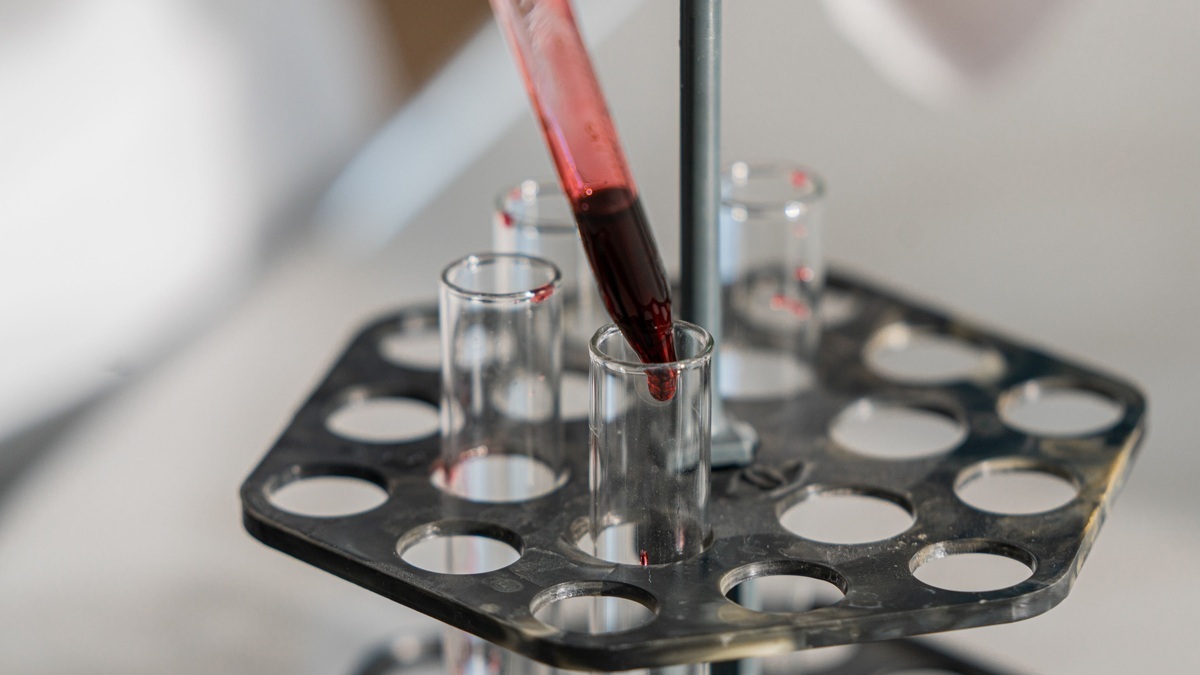
Astronaut blood protein analysis

Eight astronauts had 1,718 blood proteins measured during long missions, and 153 changed as muscle, bone, lipid and brain-related pathways adapted

Eleven faint signals in astronaut blood may offer a new way to follow how muscles, bones and fat-related chemistry respond to months in microgravity. Researchers found the proteins by using engineered nanoparticles to capture molecules that ordinary blood tests can easily miss. The peer-reviewed study, published April 22, 2026, in Frontiers in Physiology, examined blood…

More

More in News

Happy little girl running on the beach at sunset - Kid having fun in holiday vacation with back sun light - Youth, lifestyle and happiness concept - Focus on silhouette

A survey of 1,691 California residents found that distance from the coast, race and practical access barriers changed who reported receiving the ocean’s strongest wellbeing benefits from time beside the water

California’s coast is famous for public beaches, marine life and a long legal promise of access. A new study argues that the promise lands unevenly in real life. Survey responses from 1,691 people across central California showed that the people living farther from the shore, along with several underserved groups, were less likely to report…

A man taking a winter swim in icy water beside a dock

Cold water immersion looked very different across 11 studies and 3,177 healthy adults, with inflammation rising right away, stress easing 12 hours later and mood showing no reliable lift even as sleep quality and sickness absence hinted at narrower benefits

Cold-water immersion keeps getting sold as a fast route to better mood, sharper focus and stronger health. A new review of randomized trials points to a more uneven picture. Across 11 studies involving 3,177 healthy adults, researchers found that inflammation rose soon after exposure, stress dropped only 12 hours later and mood did not improve…

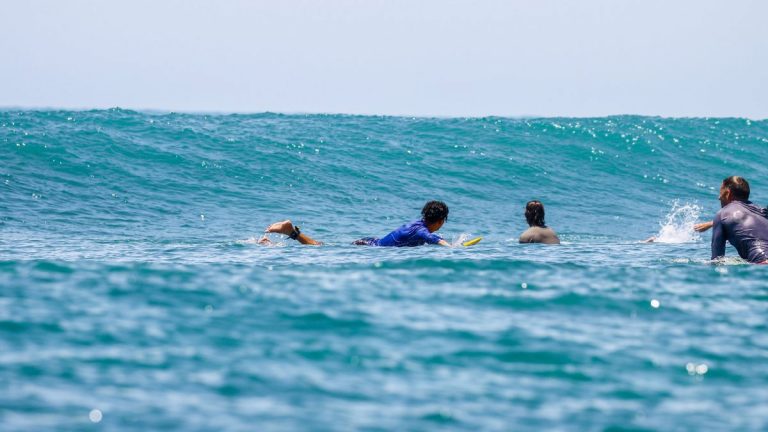
Four surfers paddling together in the ocean

Forty-one military veterans entered a weeklong ocean surf therapy study and the smaller groups who completed paired follow-up surveys still showed lower depression and PTSD scores 30 days later

Forty-one U.S. military veterans joined a weeklong ocean surf therapy program and among the smaller groups who completed matched surveys, depression and post-traumatic stress scores stayed below starting levels 30 days after the event. The study, published in Frontiers in Psychology, followed veterans taking part in Operation Surf events near Avila Beach and Santa Cruz,…