Four astronauts showed a striking rise in molecular signs of aging during a short trip to the International Space Station. By their seventh day in orbit, their estimated biological age had increased by an average of 1.91 years. Soon after landing, the same measurements moved downward in every crew member.
The finding comes from an Aging Cell study of the Axiom-2 astronauts, whose blood was collected before flight, twice in orbit and twice after their return. Researchers used 32 molecular clocks to track chemical marks on DNA that often change with age.
The results suggest that spaceflight can produce fast and largely reversible shifts linked with aging. The small study cannot show whether a longer mission would produce lasting effects, yet it offers researchers a rare chance to watch the human body respond to intense stress over a tightly measured period.
How spaceflight changed the astronauts’ biological age
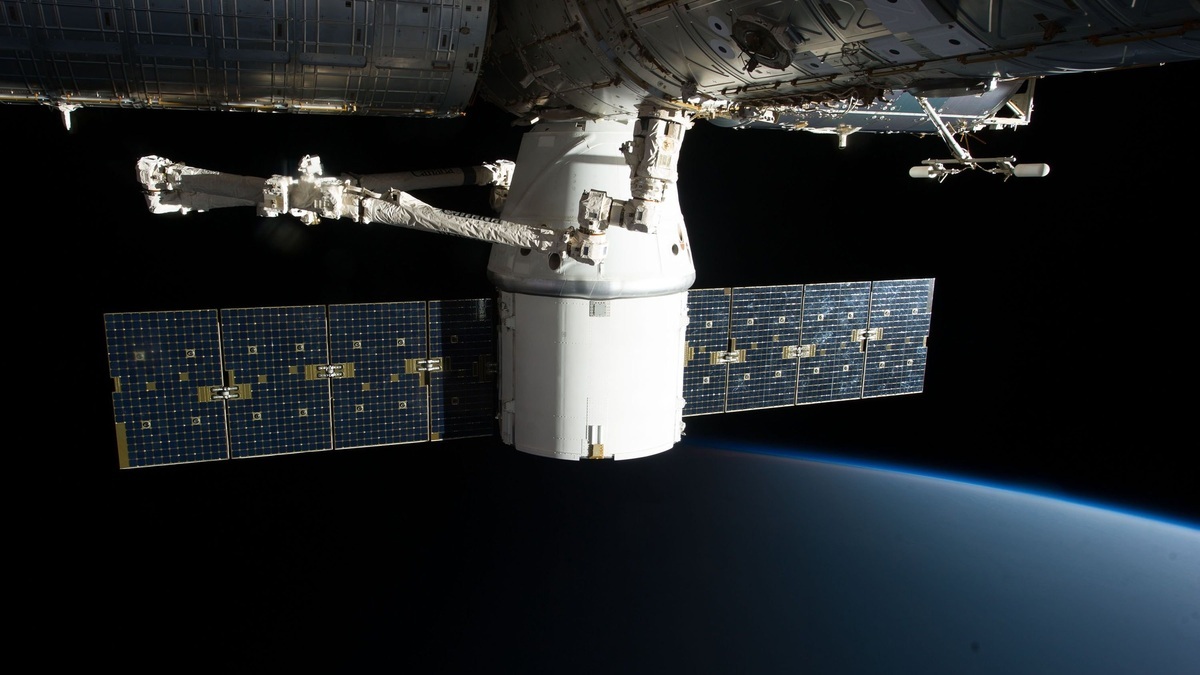
Axiom Mission 2 launched on May 21, 2023, carrying four private astronauts aboard SpaceX’s Crew Dragon Freedom. The crew spent about nine days in space, including eight days docked to the International Space Station. Their ages ranged from about 31 to nearly 68 years.
Blood samples were collected 45 days before launch, on flight days four and seven, then one day and seven days after landing. Researchers examined each sample for changes in DNA methylation, a process in which small chemical tags attach to DNA. The tags can influence how cells use genetic instructions while leaving the DNA sequence intact.
After four days in space, the average estimated age acceleration had risen by 0.76 years compared with the preflight measurement. By day seven, it had climbed to 1.91 years. Individual responses varied, especially early in the mission, yet the overall rise became clearer as the flight continued.
What epigenetic clocks measure
A person’s calendar age simply counts the years since birth. Biological age is an estimate of how the body’s cells and systems are functioning. Stress, illness, physical activity, sleep and other influences can affect biological measurements even when calendar age stays the same.
Scientists build epigenetic clocks by studying methylation patterns at many locations across the genome. Computer models compare those patterns with data collected from people of known ages. Some clocks aim to estimate calendar age, while others are designed around health, physical function, organ aging, or the risk of death.
The Axiom-2 team calculated results from 32 clocks. Thirty-one reported age in years and another clock called DunedinPACE estimated the speed of aging. Using many clocks helped the researchers see which kinds of aging signals responded most strongly to spaceflight. It also revealed that different clock designs can produce different answers from the same blood sample.
Why age estimates rose by 1.91 years
Spaceflight places several heavy demands on the body at the same time. In microgravity, muscles and bones carry far less weight. Sleep schedules can shift because astronauts see many sunrises each Earth day, while confinement and mission duties add mental pressure.
Astronauts also encounter more ionizing radiation than people on Earth’s surface. High-energy particles can damage DNA and affect the ways cells respond to stress. Earlier work, including the NASA Twins Study, found broad changes in immune activity, gene control, chromosomes and metabolism during a year-long stay in orbit.
The Axiom-2 study abstract states, “On average, Epigenetic Age Acceleration increased 1.91 years by flight day 7.” The figure describes a temporary shift in molecular estimates during an extreme environment. Its connection with future disease or lifespan remains unknown, especially because the astronauts recovered quickly after landing.
Clocks trained to estimate calendar age showed an average increase of 3.03 years by flight day seven. Clocks linked with mortality rose by 2.56 years, while another group based on possible causes of aging increased by 2.96 years. A few clock types moved in the opposite direction, showing how strongly their design affected the result.
Immune cells influenced the aging signal
Blood contains several kinds of immune cells and each type carries its own methylation pattern. Spaceflight can change the share of each cell type in a blood sample. A clock may therefore report an older or younger result partly because the mixture of cells has shifted.
The researchers estimated the proportions of 12 immune cell types using a DNA methylation method related to earlier immune profiling research. They then recalculated biological age after accounting for the predicted cell mixture. The adjusted measure was called intrinsic epigenetic age acceleration.
Regulatory T cells explained about 20 percent of the variation between the adjusted and unadjusted results. Naïve CD4 T cells explained about 16 percent, while neutrophils accounted for around 10 percent. Regulatory T cells help control immune reactions and naïve T cells stand ready to respond to threats the body has not encountered before.
After the cell adjustment, the average age increase was 0.75 years on flight day four and 0.22 years on day seven. Some clock groups still showed acceleration. The result suggests that changing immune cell proportions produced much of the late-flight signal, while chemical changes within cells also contributed.
Biological age fell after landing
Recovery began quickly once the crew returned to Earth. One day after landing, average estimated age acceleration had fallen by 3.48 years compared with flight day seven. Every astronaut showed a decrease, although their individual paths differed.
Several forces may have contributed to the drop. Earth’s gravity restored normal mechanical loading and the astronauts returned to familiar day-night cycles. Radiation exposure fell, while sleep, movement and food conditions began moving toward their usual patterns.
The rapid decline supports the idea that epigenetic age can respond to changing conditions over short periods. A separate Aging Cell study found that epigenetic age estimates can also vary during a single day. Collection times may therefore add noise to small studies, especially when samples must be gathered under the tight schedule of a space mission.
Seven days after return, most readings were moving toward a stable level. The study followed the astronauts for only one week after landing, leaving open the possibility that some molecular effects lasted longer than the available measurements could detect.
Older and younger astronauts recovered differently
The two older astronauts were about 63 and 68 years old. Their age acceleration readings rose during the mission, then returned to values close to their preflight levels after landing. The younger crew members, who were about 31 and 35, briefly recorded biological ages below their starting estimates.
One younger astronaut was estimated to be 2.93 biological years below the preflight level one day after return. The other was 4.08 years below baseline. The second astronaut returned to the original level by day seven, while the lower estimate remained in the first astronaut at the final sampling point.
Researchers suggested that age may influence how cells cope with stress and restore normal control after exposure. Older cells can have less flexibility in their stress response, which may help explain the wider changes seen in older crew members. Four people provide too little evidence for firm age-based conclusions and personal health differences could also influence the readings.
What a four-person study can reveal
The study’s greatest limit is its size. All four members of Axiom-2 took part, yet a group of four cannot represent the full range of human biology. The crew included two men and two women, with two older and two younger participants, which allowed useful comparisons while leaving substantial uncertainty.
An Earth-based control group was also absent. Such a group could have followed the same sleep schedule and eaten similar food while remaining on the ground. Without that comparison, researchers cannot fully separate the effects of orbit from changes in diet, daily activity, sample timing and mission preparation.
Cell proportions were estimated from the same methylation data used by the aging clocks. Laboratory counts of immune cells would provide a stronger adjustment. The team also treated the many clocks as repeated measurements, even though several clocks use overlapping DNA sites and can produce closely related results.
The researchers used mixed statistical models and permutation tests to reduce some of these problems. They described the work as exploratory and called for larger astronaut groups, longer follow-up periods and parallel ground crews. The results offer a detailed starting point rather than a forecast of astronaut lifespan or health.
Spaceflight as a rapid aging laboratory
Aging usually develops across decades, which makes human studies slow and difficult. Spaceflight compresses several powerful stresses into days or months. Researchers can collect samples before exposure, during the mission and soon after return, creating a close view of molecular change and recovery.
Better studies could test whether exercise plans, sleep support, or nutritional supplements reduce age-related signals in orbit. Scientists may also examine geroprotective interventions, a broad term for treatments intended to protect cells from processes linked with aging. Any candidate would require extensive safety testing before use by astronauts or patients on Earth.
Future clocks may provide clearer answers by separating changes within cells from shifts in blood cell populations. One example is IntrinClock, which was designed to resist changes caused by immune cell composition. Combining such tools with direct cell counts and other biological measurements could reveal which effects reflect damage, adaptation, or recovery.
Long missions to the Moon and Mars will expose crews to months of reduced gravity and radiation beyond Earth’s protective magnetic environment. Tracking epigenetic age could become one part of astronaut health monitoring, alongside established measures of bone, muscle, immune function and radiation dose. The Axiom-2 findings show how rapidly molecular readings can move and how strongly they can rebound when the environment changes.