News

RSS Feed
Clean water happiness

A 2,559-person study links cleaner, more reliable water with greater happiness in China, while pollution weakens the association

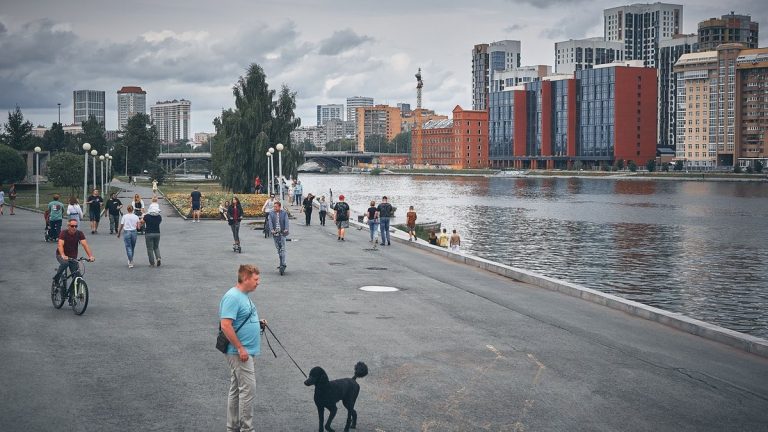
Cleaner water and dependable supplies were associated with greater happiness among people in China, according to research that combined personal views with provincial environmental records. The results also suggest that heavy pollution can reduce the emotional benefit linked with believing local water is clean. The study, published in Frontiers in Psychology on January 13, 2026,…
More

More in News

Virtual reality brain experiment

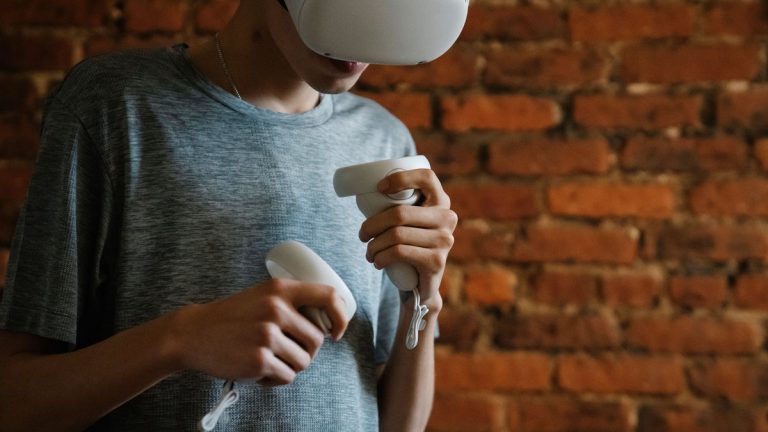
Realistic Mars rover tasks in virtual reality trigger stronger brain activation than simpler cognitive tests

Twenty healthy adults showed stronger brain activation while carrying out realistic Mars rover tasks in virtual reality than while completing simpler tests aimed at the same mental skills. The result suggests that mission-like training recruits the brain more broadly, which could help researchers design exercises for astronauts traveling far from Earth. The 2026 study, published…

Astronaut sleep isolation

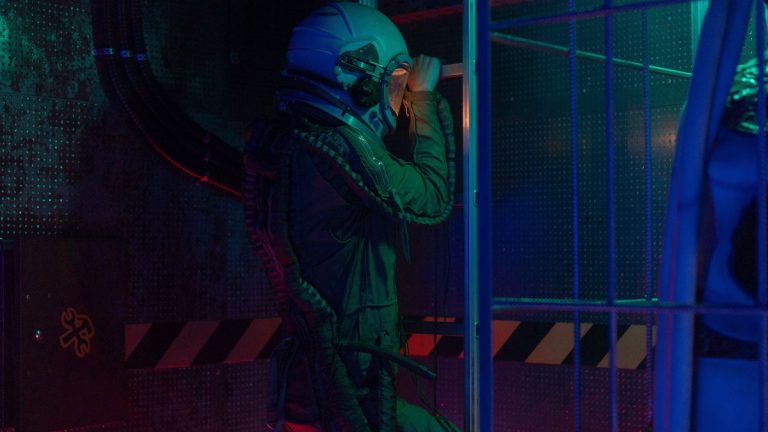
Six people spent four months in space-like isolation, and one sleepless night produced the strongest autonomic strain

Long voyages beyond Earth will demand clear thinking even when sleep is interrupted by alarms, urgent cargo work, or changing mission plans. A four-month isolation experiment found that healthy crew members handled brief sleep interruptions with relatively stable nervous system activity, while a full night without sleep produced the strongest physical strain. The 2026 study,…

Antarctic research crew isolation

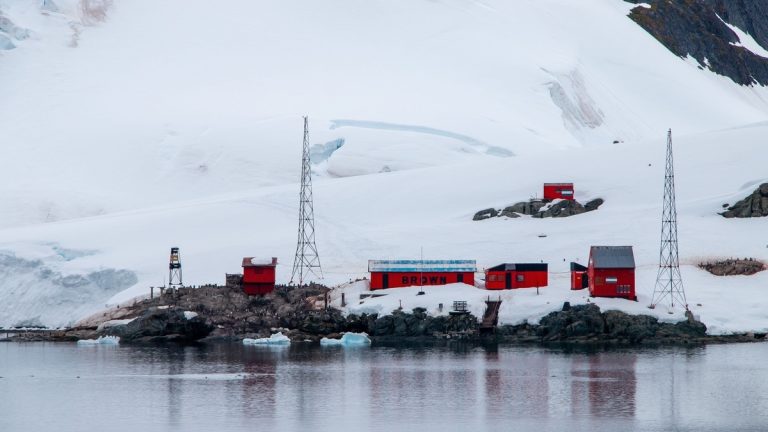
Twenty-five Antarctic crewmembers wore proximity sensors through two winters lasting up to 14 months and spent more time alone as each simulated space mission progressed

Once each minute, wrist-worn sensors checked whether members of an Antarctic crew were near one another. Across many months of darkness and confinement, those simple electronic encounters created a record of group contact, revealing when people gathered and when individuals increasingly spent time alone. A study published June 8, 2026, in Frontiers in Psychology reports…