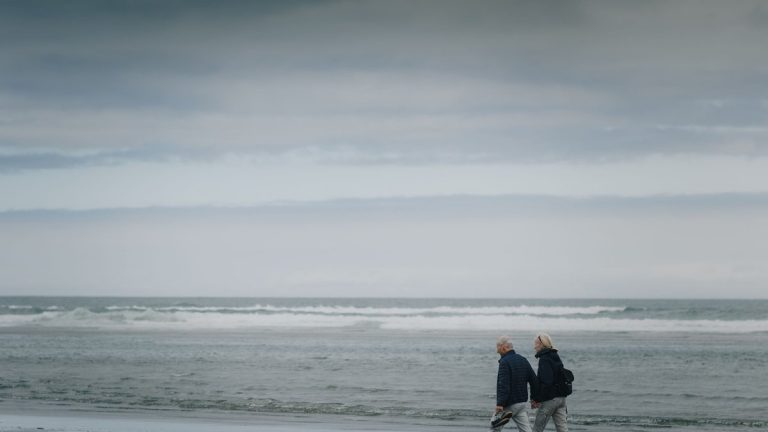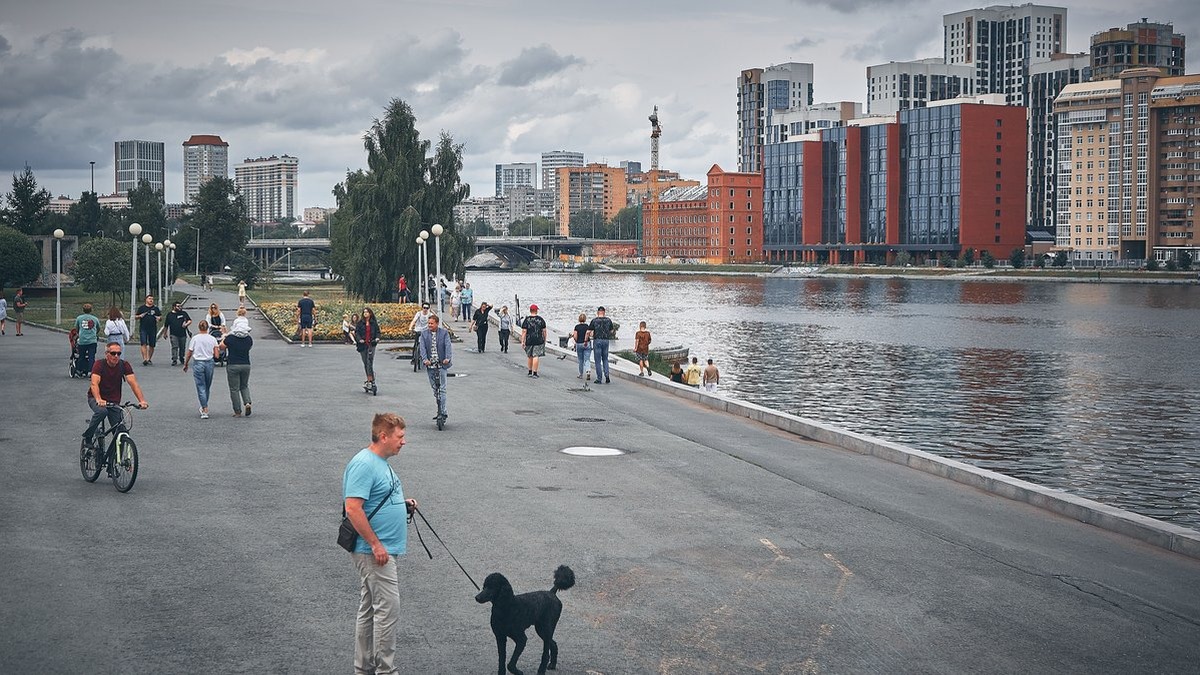
Beijing’s waterfronts were linked with richer sights, sounds, physical sensations and feelings of calm among young people, according to an analysis of 4,502 social media entries. Even during winter, when lakes and rivers froze, the waterside settings continued to offer forms of psychological relief through ice scenery and seasonal traditions.
The findings come from a study published on April 7, 2026, in Frontiers in Public Health. Zecheng Li, Norhuzailin Binti Hussain and Mohd Yazid Mohd Yunos examined how Beijing residents aged 18 to 35 described waterfront visits on Douyin and Xiaohongshu.
The researchers found that waterside posts contained 3.05 times as many themes related to sensory experience as posts from comparison areas away from water. The results add a youth-focused view to earlier research on urban blue spaces, a term that covers accessible environments built around rivers, lakes and other bodies of water.
How 4,502 posts mapped stress relief
The research team collected posts from March 2024 through February 2025, covering a complete cycle of spring, summer, autumn and winter. The final collection contained 4,502 geolocated posts, including 3,152 entries from waterfront areas and 1,350 from matched comparison locations.
Researchers studied 45 waterfront sites across Beijing. The locations included lakes and wetlands, along with rivers, park water systems and water features in busy urban districts. Fifteen non-waterfront areas served as controls. The controls had similar public or commercial uses, transit access and levels of social media activity.
Each post could contain several themes. A young person might describe sunlight flashing across a lake, mention the breeze and then explain how a walk eased the pressure of work. Researchers used three-level thematic coding to sort such comments into broader patterns involving sensory experience, emotional state, activity and judgments about the place.
Two researchers coded part of the collection independently. Their agreement reached a Cohen’s kappa value of 0.81, a level commonly treated as strong agreement. Field observations at selected waterfronts also helped the team compare online descriptions with the ways young visitors used the spaces.
Waterfronts delivered 3.05 times more sensory value
Sensory themes appeared in 25.7 percent of waterfront posts and 8.4 percent of posts from areas away from water. The resulting waterfront advantage was 3.05 times and the difference remained close to that level when the researchers changed the size of the waterfront boundary or examined Douyin and Xiaohongshu separately.
Visual experiences included reflections, open views and sunlight moving across the water. Posts also mentioned flowing water, birds, fresh air and cool mist. Such features can hold attention gently, giving the mental systems used for school or work a chance to recover. A review of blue-space health mechanisms has linked waterside settings with stress reduction, physical activity and stronger social connections.
Li and colleagues summarized the comparison in the study abstract: “The findings show that waterfront areas are superior in terms of sensory experience compared to non-waterfront areas, with a 3.05-fold difference.” The figure describes the share of posts containing coded themes. It does not measure a threefold clinical improvement in mental health.
Calmness set waterside spaces apart
Expressions of calmness appeared in 7.7 percent of waterfront posts and were absent from the non-waterfront comparison group. Young visitors described still water, broad views and quiet lakeside moments that helped their thoughts settle.
Water can support calm through several connected signals. A wide surface creates visual distance in a dense city, while repeating ripples offer movement that requires little effort to follow. Flowing water can soften traffic noise. Breezes near a lake or river may also make a warm day feel more comfortable.
The findings fit two established explanations for the mental effects of nature. Attention Restoration Theory proposes that natural settings hold interest without demanding intense concentration. Stress Recovery Theory focuses on positive feelings and a lower physical stress response. A broad review of urban blue-space studies has reported links between these environments and human health, although the strength of evidence varies between outcomes and study designs.
Emotional themes appeared in 29.4 percent of waterfront posts and 26.4 percent of comparison posts, producing a smaller gap than the sensory result. Social media users can express happiness or relief in many city settings. Calmness, by comparison, was closely tied to the waterfront entries in this collection.
Frozen lakes offered alternative restoration
Winter changed the physical character of Beijing’s waterfronts. Flowing surfaces became sheets of ice, vegetation lost much of its color and colder air reduced the comfort of long outdoor visits. Sensory themes declined from 27.2 percent in autumn to 23.4 percent in winter, while emotional themes fell from about 30 percent to 26.7 percent.
Positive experiences continued through what the researchers call alternative restoration. Ice landscapes appeared in 5.8 percent of winter waterfront posts. Seasonal rituals, including winter lake visits and activities linked with annual celebrations, appeared in 3.9 percent.
Frozen water offered a fresh form of visual fascination. Smooth ice could resemble a mirror, while snow reflected sunlight and made familiar parks appear newly arranged. Seasonal rituals added personal meaning, allowing visitors to mark the passage of the year or share a repeated winter experience with friends.
Earlier research on winter urban parks also found restorative potential in cold-season landscapes. The Beijing study develops the idea further by proposing that a major physical change in the environment can shift the pathway to relief. Flowing water supports sound and movement during warmer months, while ice scenery and cultural meaning become more prominent in winter.
Five water types served different needs
The 45 waterfront sites covered five kinds of water environments. Natural settings tended to support sensory and emotional experiences, while highly accessible artificial water features attracted more posts about meeting people, taking photographs and sharing visits online.
Lakes produced the strongest calmness theme, at 11.6 percent and had a similarly high share of sensory descriptions. Their large surfaces and slower visual movement supported what the researchers described as tranquil aesthetics. Wetlands stood out for ecological value, with users recognizing them as rare natural spaces within a huge city.
Rivers received the highest proportion of relaxation themes among the five types, reaching 10 percent. Moving water and long riverside paths supported walking, cycling and other active visits. Park water systems offered convenient recreation, with stronger themes related to accessibility and social activity.
Commercial water features occupied the other end of the study’s functional range. Social activity and sharing appeared in 14.6 percent of posts from these locations, the highest value among the water types. Accessibility reached 12.7 percent. Fountains and designed pools near shops or transit routes gave young people places for brief breaks during ordinary city routines, while visually distinctive settings encouraged social sharing.
Designing waterfronts for year-round relief
The findings suggest that youth-friendly waterfronts can serve different purposes within the same city. Lakes and wetlands may benefit from quiet viewing areas, protected natural scenery and paths that limit disruptive activity near restful zones. Rivers can support longer routes for walking or cycling while preserving access to the water’s sound and movement.
Park water systems and commercial water features can place short restorative experiences near the spaces young adults already use. Seating beside water, shade during hot months and easy pedestrian access may help people take brief environmental breaks between classes, work shifts or errands.
Winter planning requires special attention in northern cities. Clear viewing points can frame attractive ice scenery, while wind shelters and warm rest areas can extend comfortable visits. Marked safety boundaries are essential wherever frozen surfaces attract visitors. Festival spaces and winter lighting can support seasonal traditions without crowding the quietest parts of a waterfront.
The results also suggest that public-health planning can include water features beyond large destination parks. Small waterside spaces near campuses, offices and commercial streets may provide accessible moments of relief during stressful days. The health value will depend on maintenance, safety, water quality and whether people can approach the site comfortably.
Where social media evidence falls short
Social media provides a large record of spontaneous experiences, yet it also carries platform bias. Douyin and Xiaohongshu encourage visually appealing posts and public self-presentation. Users may share beautiful sunsets or cheerful gatherings more often than dull, uncomfortable or disappointing visits.
The researchers describe their percentages as measures of public expressions among active users. They do not represent the full distribution of waterfront experiences across Beijing’s young population. People who rarely post, keep private accounts or avoid social media were missing from the collection.
Age identification also required profile information and clues within posts. The team used a conservative screening process and removed 987 posts when age could not be reasonably verified. Even with that step, inferred demographic information remains less precise than ages collected through direct enrollment in a survey or experiment.
The study also compared waterfront sites that were mostly recreational with control areas that were mostly commercial. Water was part of a larger setting that could include trees, open space and recreational paths. The analysis therefore describes waterfront environments as complete places, while the isolated contribution of water requires controlled research.
Future studies could combine social media analysis with surveys and physical stress measurements, such as heart-rate patterns or changes in skin conductance. Comparisons with other northern cities could test whether frozen waterscapes support similar experiences under different climates and local traditions. For now, the Beijing results show how water can remain part of urban stress relief through changing seasons, from summer reflections to the still surface of a winter lake.