Eight adolescents with rare skeletal disorders finished an intensive rehabilitation experience on the water without any participant dropping out and the study team recorded no serious adverse events across the five day schedule. The paper also found early changes in several movement measures, including balance and gait. For a group that often lives with pain, limited mobility, repeated surgeries and a thin evidence base for rehabilitation, those first signals were enough to make the program worth a closer look.
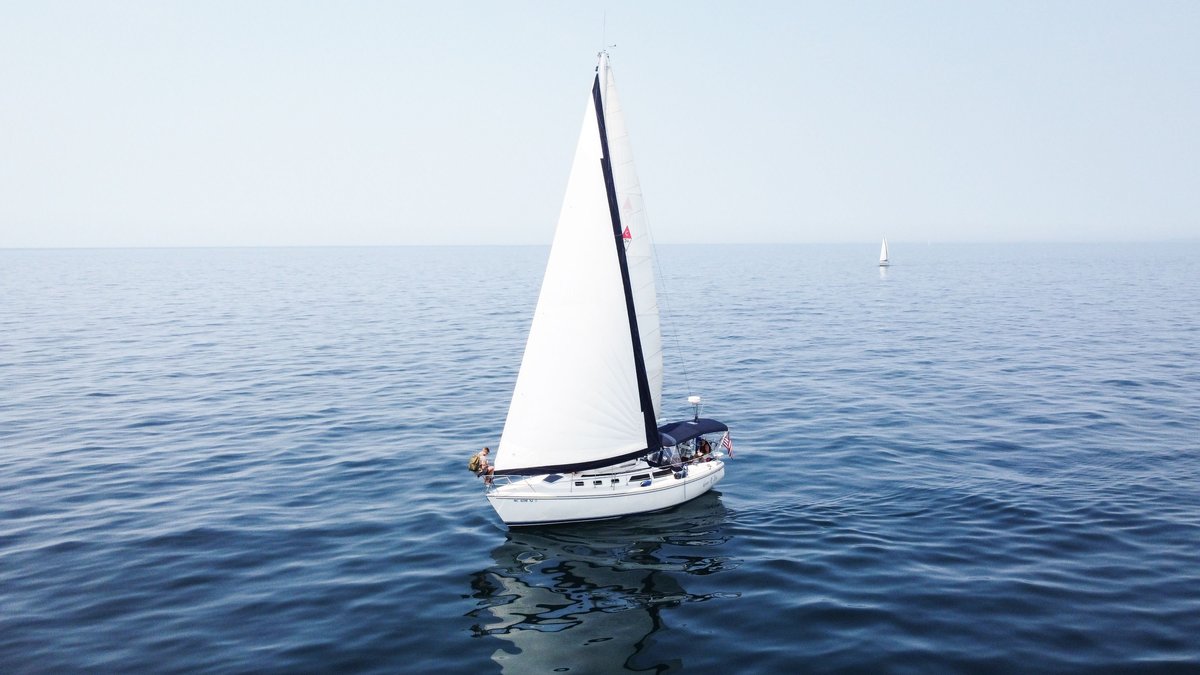
The intervention was described in a Scientific Reports study published on October 23, 2025. Researchers followed teenagers aged 12 to 18 years during a five day sailing program that mixed structured physical activity with social interaction and guided psychological reflection. The goal was narrower than proving a treatment effect. Feasibility and safety came first, while changes in physical function and self reported well being were treated as preliminary results that could guide a larger controlled trial.
Earlier work helps explain why that narrow goal matters. A 2019 quality of life study in multiple osteochondromas documented meaningful strain in daily life and a 2017 clinical and psychological profile paper described how rare skeletal disorders can reach beyond the skeleton itself into confidence, social life and routine activity. Rehab options are limited for many families, so a program that adolescents will actually attend, complete and tolerate safely is an important result even before anyone talks about long term benefit.
What the five days on the boat involved
The study enrolled adolescents with rare skeletal disorders and assessed them at three time points: before boarding, immediately after the intervention and again three months later. Day 1 included orientation and the first assessment. Days 2 through 4 centered on sailing sessions framed by briefings and debriefings. Day 5 closed with feedback and the post intervention evaluation. That structure let the team examine what happened over a short, intense burst of activity, then ask which changes held on after ordinary life resumed.
Physical function was measured with wearable inertial sensors, which track body motion during tasks instead of relying only on a clinician’s impression. The team paired those sensor data with validated questionnaires that covered health related quality of life, self esteem, psychological well being and fear of movement. In practice, that meant the study could look at posture, proprioception, gait and upper limb performance while also asking whether participants felt better, happier, or less worried about moving.
A related 2024 sailing program paper from some of the same research network had already examined health related quality of life in people with multiple osteochondromas and Ollier disease. The new project moved one step further by putting feasibility and safety at the center and by adding motion tracking. Its public registration at ClinicalTrials.gov also makes the trial sequence easier to follow, from the five day intervention itself to the planned follow up period.
Why feasibility and safety came first
The primary outcomes were recruitment, retention, adherence, acceptability and adverse events. Those measures can sound procedural, yet they answer the first question any rehab team has to face with a medically fragile population: can this program be delivered in a way that young participants and their families will actually complete? An intervention cannot help anyone if the schedule is too demanding, the setting feels unsafe, or the tasks trigger symptoms that force people off the boat.
On those basics, the pilot cleared its targets. The paper reports 100 percent retention and adherence, which means every enrolled adolescent stayed in the study and completed the intervention as planned. Acceptability was also high, with a mean score of 3.75 and a standard deviation of 0.46. Those numbers do not prove the program improved health, though they do show that the practical design, staffing and activity load were manageable enough for this small group to finish what they started.
The safety picture was similarly encouraging but still specific. No serious adverse events were reported. Mild effects did appear, especially nausea or dizziness during one of the sailing sessions and the figure notes show that muscle soreness occurred in a smaller share of participants. Reports of muscle cramps, bruising, temporary joint stiffness, lower back discomfort, neck discomfort, thermal problems, or general fatigue were absent in that summary. For a five day intervention involving unstable surfaces and active movement, that pattern supports a careful claim of tolerability.
Where the early changes appeared
The clearest measured changes appeared in the body rather than in a broad global mood shift. Sensor based analysis found significant improvement in proprioception, postural control, gait quality and upper limb function between the pre intervention and immediate post intervention assessments. The reported p values were 0.01 for proprioception, 0.01 for posture, 0.04 for gait quality and 0.02 for upper limb function. Because the sample was only eight people, each of those results should be read as an early signal, not as settled proof.
Patient reported outcomes moved in a less uniform way. The paper notes a trend toward better quality of life on the EuroQol 5 Dimension visual analogue scale and a trend toward higher happiness scores on the Pediatric Outcomes Data Collection Instrument. It also reported lower kinesiophobia, the fear that movement will cause pain or harm, with a p value of 0.03. That detail may matter clinically because fear of movement can quietly limit activity long after a formal medical restriction has ended. Even so, the broader emotional and quality of life pattern stayed preliminary rather than conclusive.
Three month follow up added another caution. Some of the immediate gains weakened over time, which suggests the boat based experience alone may not be enough to lock in lasting change. A short intervention can start a response, teach a new movement pattern, or help a participant test abilities that had felt risky. Keeping those gains may require continued training at home, a maintenance program, or repeated contact with therapists. The follow up data therefore make the study more useful, because they show both the promise and the fragility of the early changes.
What the pilot can and cannot claim
Readers should resist the temptation to treat this as a verdict on sailing as therapy. The pilot had only eight participants, no control group and a multicomponent design that bundled physical challenge with group interaction and psychological reflection. Any one of those elements could have contributed to the changes. The study also focused on adolescents with rare skeletal disorders, so its results should not be stretched to adults, to other diagnoses, or to rehab settings that look very different from a supervised sailing program.
Still, the study gives a concrete reason to keep testing the idea. Sailing asks the body to adapt to constant shifts in the deck, to coordinate the trunk and limbs and to keep attention on the task while working with other people. Those demands line up with the very functions that showed early movement in the data. They also create a setting where confidence can grow through action rather than through instruction alone. The pilot shows that such a setting can be organized safely for a small adolescent group under close supervision.
The fairest conclusion is therefore modest and practical. This five day program appears feasible, acceptable and safe in a tiny pilot sample and it produced preliminary changes in several functional measures that deserve follow up. What it does not establish is efficacy, durability, or the active ingredient behind the response. Larger trials with comparison groups, longer monitoring and a plan for maintenance after the voyage will be needed before clinicians can say how much of the effect came from the sailing itself and how much came from the full therapeutic package around it.