Daily life can feel crowded and difficult for people whose thoughts race from one subject to another. Five Danish adults with adult ADHD described a striking change after entering cold water: their minds became quieter, their attention narrowed and ordinary tasks felt easier to manage.
The experiences are described in a March 2026 study published in Healthcare. Researchers from VIA University College followed adults who regularly practiced winter bathing in Danish seas, fjords, or a lake. Participants reported calm, stronger body awareness, improved mood and a greater ability to cope with daily demands.
The findings offer an early look at how people with ADHD experience cold-water swimming. The study involved only five participants and relied mainly on interviews, so it cannot establish whether winter bathing treats ADHD or produces the same effects in a wider population. Its value comes from the detailed accounts of people who had made cold-water exposure part of their lives.
A Danish study follows five winter bathers
The research team included Troels Holm Nielsen, Nikolai Winkler Karlsen, Lucas Tuan Minh Hoang, Jesper Dahlgaard and Elisabeth Bomholt Østergaard. The authors examined how adults diagnosed with ADHD believed winter bathing affected their mental well-being and quality of life.
Researchers carried out qualitative fieldwork in Denmark during April 2025. Their methods included participant observation and semi-structured interviews, which allowed people to describe their experiences in their own words. The team also interviewed a psychologist and an ADHD mentor who had professional experience with people practicing winter bathing.
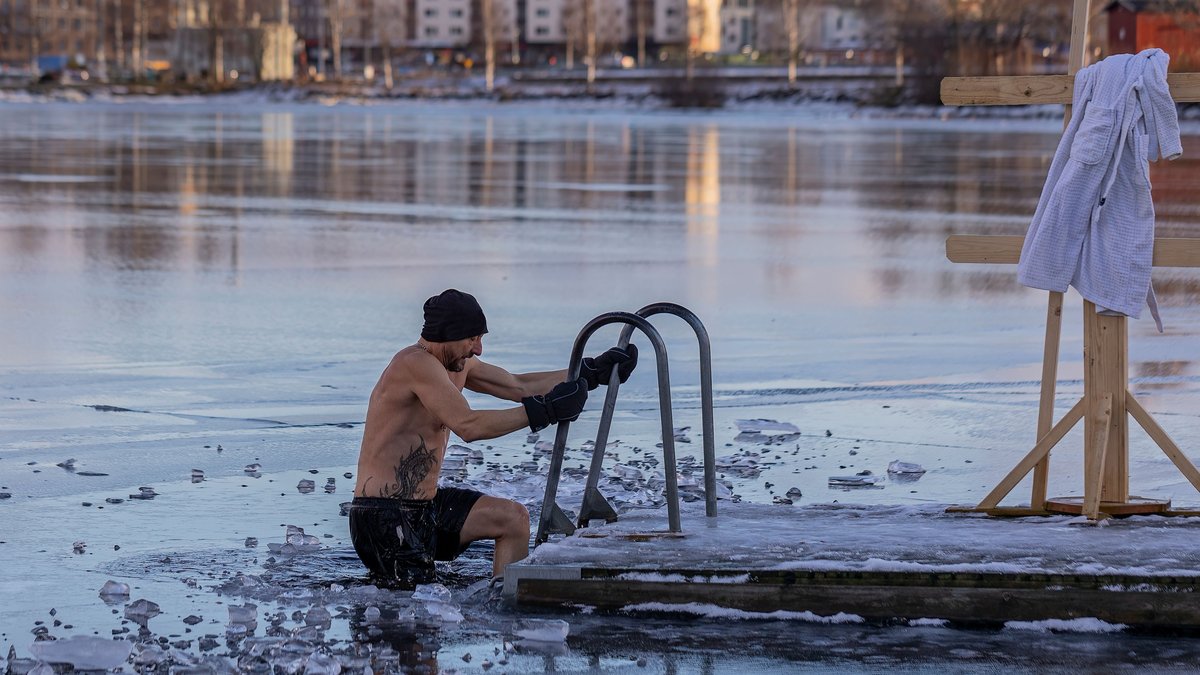
The five main participants included two men and three women, ranging from their mid-30s to their late 50s. Two swam in the sea, two used fjords and one entered a lake. Four belonged to winter bathing clubs, while one usually bathed independently. Their interviews lasted from 34 to 75 minutes, according to the study’s PubMed record.
Medication use also varied. Three people took ADHD medication regularly, one used it when needed and one took none. Such differences helped the researchers gather a wider range of personal accounts, although the group remained far too small for statistical comparisons.
Cold water quieted racing thoughts
All five participants described some form of mental calmness after winter bathing. They spoke about relief from racing thoughts and a stronger sense of being present. Several viewed the experience as a mental reset that continued after they had left the water.
One participant offered a vivid image for the change: “It narrows down the 44 highways I have in my head.” The cold appeared to draw attention toward immediate physical sensations, leaving less room for competing thoughts during the dip.
Cold water places a powerful demand on attention. The skin sends intense signals, breathing changes and the body responds to the sudden temperature drop. A swimmer must concentrate on breathing and physical control. The Danish study did not measure brain activity or stress hormones, so any biological explanation remains a proposal for future research.
Researchers also observed that one participant spoke more slowly after bathing than before entering the water. They interpreted the slower pace as a possible outward sign of the calm the person had described. A single observation cannot confirm a clinical change, but it added detail to the interview account.
Focus and body awareness improved
Four participants said the calm following a dip helped them focus on one task at a time. Everyday activities such as reading and cooking reportedly felt more manageable. Completing projects also became easier for some members of the group.
“I can handle things better. I’m more focused on what I’m doing,” participant A told the researchers. Such statements describe personal experience and were not checked with laboratory attention tests or clinical rating scales.
Participants also reported greater bodily awareness. ADHD can make it difficult for some people to notice physical needs while their attention moves rapidly among thoughts and outside demands. The strong sensation of cold brought their focus toward breathing, movement and the immediate state of the body.
Several people described a closer connection between mind and body after bathing. Researchers suggested that the experience may create a sensory anchor in the present moment. Future studies could test this idea by measuring attention before and after cold-water exposure, while also comparing winter bathers with people doing another demanding physical activity.
Joy lasted beyond the swim
Calm was only one part of the participants’ accounts. The study identified sustained joy as another major theme, with several people reporting improved mood and more energy after leaving the water.
For some swimmers, the positive feeling lasted for hours or influenced the rest of the day. They described greater emotional balance and a stronger desire to take part in normal activities. The researchers viewed this lasting uplift as one possible reason people continued a routine that involved discomfort and careful planning.
Winter bathing can also create a sense of achievement. Entering very cold water requires a deliberate decision and completing the dip may leave a swimmer feeling capable of handling another difficult experience. Group bathing can add encouragement and a shared sense of purpose.
The interviews cannot separate the effects of cold water from exercise, expectation, outdoor time, or contact with other people. Each factor may contribute to the reported improvement. A controlled trial would be needed to estimate how much of the response comes from cold exposure itself.
Nature helped people keep the routine
Denmark offers broad access to coastal waters, lakes and fjords, making winter bathing practical for many residents. The activity has also gained popularity through clubs that provide regular meeting places and social support.
Participants described nature as an essential part of their motivation. Water, changing weather and the open landscape helped them feel present. The researchers connected these experiences with nature connectedness, a term for the sense of belonging or emotional contact that people can feel in natural surroundings.
Nature may have been especially useful because maintaining routines can be difficult for adults with ADHD. Participants said the pleasure and calm associated with bathing gave them a strong reason to plan the trip and tolerate the cold. Enjoyment supported the repeated behavior.
Winter bathing clubs also supplied structure. A set location and familiar group can reduce the number of decisions required before an activity begins. VIA University College lists the paper through its research database as part of work linked to mental health and blue environments.
Some participants reported using less medication
Medication was one of the most sensitive themes in the interviews. Four participants said winter bathing had reduced symptoms they associated with ADHD, anxiety, or depression. Some used the activity alongside medical care, while others described it as a substitute for certain medicines.
One participant said, “It has more than halved my need for medication, as it brings calm to my mind and soul.” The statement records one person’s experience. The researchers did not verify changes through pharmacy data, medical records, or a prescribing clinician.
Evidence from five interviews cannot determine whether cold-water swimming can safely reduce the need for ADHD medication. Medication decisions depend on symptoms, side effects, medical history and professional monitoring. People should discuss any proposed change with the clinician responsible for their treatment.
The study’s participants had already chosen winter bathing and were motivated to continue. Their positive experiences may differ from those of people who dislike cold water, have limited access to safe swimming sites, or try the activity without a supportive group.
A small study leaves major questions
The clearest limitation is the small sample. Five participants can provide detailed stories, yet they cannot represent the wide range of adults living with ADHD. Age, physical health, swimming experience, personal expectations and local culture may all influence how cold-water exposure feels.
Researchers recruited people who already practiced winter bathing. The group therefore consisted of people who had continued the activity and believed it offered value. People who tried winter bathing and stopped because it felt unpleasant or provided no benefit were absent from the main interviews.
The study also lacked a comparison group. Researchers could not compare winter bathing with indoor swimming, exercise on land, quiet time in nature, or another structured group activity. The full open-access paper is available through PubMed Central.
Larger research could measure ADHD symptoms and sleep before participants begin a winter bathing program. Scientists could also track mood, attention and medication use over several months. Random assignment would provide stronger evidence about cause and effect, while interviews could continue to capture experiences that numerical scores may miss.
Cold-water safety requires careful planning
Very cold water can cause sudden gasping and rapid breathing. It can also make coordinated movement harder as the body loses heat. Open water adds changing currents, slippery entry points, waves and uncertain depth.
Safe practice begins with gradual exposure in a suitable location. New bathers benefit from experienced companions and should avoid entering cold water alone. A clear exit route, warm clothing and a plan for warming afterward reduce preventable risk.
People with health conditions or concerns about how cold exposure may interact with medication should seek individual medical advice before starting. Winter bathing should also remain separate from unsupervised changes to prescribed treatment.
The Danish interviews present cold water as a meaningful source of calm and motivation for five adults with ADHD. Larger trials will need to examine who benefits, how long any effects last and which parts of the experience produce the reported changes. Until those studies are completed, cold-water safety and careful clinical guidance remain central.