Twenty-four university students described swimming classes as a weekly break from academic pressure, with water, controlled breathing and supportive classmates helping them shift attention away from persistent worries. The benefits depended heavily on conditions around the pool, since crowded lanes, body exposure and grading pressure could add fresh stress.
The findings come from a study published in Frontiers in Psychology on July 31, 2026. Researchers Yixu Wang and Shunli Lan interviewed first-year and second-year students taking compulsory physical education swimming classes at a private university and a public university in Southwest China.
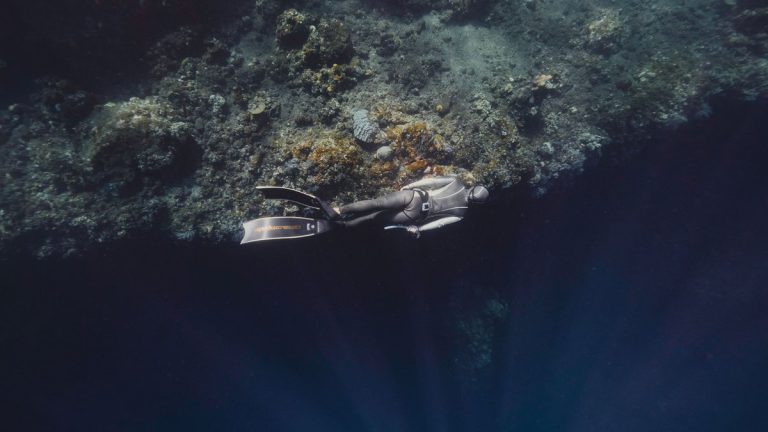
Students often linked calm periods in the pool with the feel of water around the body, muffled sound and the need to follow each breath. The researchers describe campus swimming as a form of campus blue space, where a water setting combines physical activity with instruction and shared social experience.
Why students sought relief in the pool
University life brought the students a broad mix of pressures. They spoke about examinations, difficult assignments and laboratory reports. Group work caused tension for some, while uncertainty about jobs or further study weighed on others. Several first-year students were also adjusting to dormitory life and separation from home.
Swimming gained meaning because it appeared inside the normal weekly schedule. Students could attend as part of physical education without having to declare a mental health problem or arrange a separate visit to a counseling service. For some participants, the class became the most relaxing period of the week.
Second-year students often connected their stress with professional courses, internships and future employment. One participant, identified as P10, described entering class after working on postgraduate entrance materials and assignments. “Once I entered the water, I did not think about the future for a while,” he said.
A systematic review published in 2024 found that physical activity programs can support mental health among higher education students, although results depend on how each program is designed and delivered. The swimming study adds a close look at what students believed was happening during one specific kind of class.
How water redirected attention
Many participants described a sharp sensory change when they left the classroom environment and entered the pool. Phone alerts and nearby conversations became less noticeable. Water surrounded the body and the cooler temperature provided a clear break from study spaces such as libraries and dormitories.
Water immersion also changed the physical demands placed on attention. Students had to notice their position, coordinate their arms and manage the moment when their face entered the water. Worries about a failed test became harder to follow while the swimmer concentrated on floating and breathing.
The researchers separated the students’ descriptions into several overlapping parts. General exercise involved movement and repeated effort. Water-specific experiences included buoyancy, muffled sound and the blue visual field. Class conditions included teacher feedback, peer comparison and formal assessment.
A broader review of blue-space research has identified restoration, physical movement and social contact as possible links between water environments and health. A separate review of open-water swimming reported promising links with mood and wellbeing, while also finding that studies vary widely in design and setting. An indoor university pool brings chlorination, fixed schedules and grading into the experience, which can influence how students respond.
Breathing routines eased mental strain
Breathing was one of the clearest processes described in the interviews. Swimming forces a person to time each breath around the stroke and the movement of the water. Students said this rhythm pulled their attention toward the present moment and reduced the mental replay of academic problems.
Rhythmic breathing often formed part of a longer sequence. A student entered the pool feeling tense, focused on movement for several laps and later returned to studying with a calmer view of the problem. Several participants said they could plan their next steps more clearly after class.
One student recalled doing badly on a mathematics quiz and feeling unable to keep up. During class, he swam slowly while following his breathing pattern. After leaving the pool, he felt able to identify gaps in his knowledge and consider how to address them. Other students described similar experiences after coding errors, disappointing examination results and conflicts during group projects.
Research involving repeated short walks near water has also reported improved mood and wellbeing after brief blue-space exposure. The swimming interviews point to a more physically demanding process because breath control, flotation and stroke coordination require continuous attention. The study measured personal accounts rather than biological signs of stress, so changes in heart rate or stress hormones remain unknown.
Peers and teachers created social safety
Beginning swimmers faced fear of choking, embarrassment about mistakes and uncertainty about entering deeper water. Encouragement from classmates helped many of them continue. Peers held hands during practice, explained breathing skills and shared simple tips after a failed attempt.
Humor also reduced shame when it remained kind and shared. A participant identified as P14 said, “No one laughed at beginners.” Mistakes became common parts of learning instead of public signs of failure. Such responses supported a sense of social safety around a skill that leaves the body highly visible.
Teacher behavior carried similar weight. Students valued instructors who slowed the lesson, corrected mistakes quietly and stayed close when someone feared the water. A first-year participant identified as P02 recalled support from classmates and a patient teacher. “In the water I felt very safe,” she said.
Students with introverted personalities sometimes preferred quiet correction and room to practice alone. Support in those cases involved respect for personal space rather than constant group activity. The accounts suggest that psychological safety can take different forms depending on a student’s confidence, swimming experience and comfort with public attention.
Swimming skills supported everyday coping
Small gains in swimming provided visible evidence of progress. A nervous beginner might first learn to place their face in the water, then float without gripping the pool edge. Later progress could involve coordinating a stroke or swimming several meters without stopping.
Some students connected those steps with challenges elsewhere in university life. They described breaking a difficult academic task into smaller parts, asking for help and trying again after failure. The researchers call this resilience-oriented coping, meaning a practical way of responding to stress rather than a permanent personality change.
Learning to swim offered a clear cycle of effort and feedback. Fear appeared at the start, practice followed and improvement arrived gradually. Teacher reassurance and peer help made the difficulty feel manageable. For several participants, remembering that process helped reduce panic when they later faced mathematics problems, rejected work or strained relationships.
Transfer into daily life varied across the group. Some students gave detailed examples of using swimming lessons as a model for persistence. Others reported general relaxation without describing a clear change in academic coping. The interviews therefore suggest a possible pathway that future studies can test over a full semester.
Crowding and exposure reduced the benefits
Crowding was the most common obstacle reported by students at both universities. Busy lanes increased concern about collisions and interrupted the steady rhythm that many participants found calming. Novice swimmers could feel especially vulnerable when several people gathered in the shallow area.
Body exposure created another source of strain. Several women described discomfort in swimwear or concern about being watched. Crowded changing rooms and limited privacy added to the pressure. Students who already felt uncertain about their bodies could enter class in a state of heightened self-awareness.
Assessment also influenced the emotional climate. Beginners worried about failing, while more experienced swimmers could feel pressure to meet speed standards. A class designed around strict performance targets may leave less room for slow practice and personal progress.
Facility conditions affected the experience as well. Participants mentioned chlorine odor, weak ventilation and unstable water temperature. Deep-water fear remained an obstacle for some students, particularly when lessons moved faster than their confidence allowed. The pool offered relief most consistently when the physical setting and teaching pace protected a sense of safety.
How campuses could improve swimming classes
The interviews point toward practical changes that universities could test. Smaller classes or staggered schedules could reduce congestion. Separate areas for beginners would allow slower practice, while leisure lanes could give students room to swim at a comfortable pace.
Assessment could give greater weight to individual improvement. A student who learns to float and breathe safely may have made important progress even when their speed remains modest. Flexible grading could lower performance anxiety while preserving clear physical education goals.
Privacy deserves attention in inclusive pool design. More private changing areas could help students who feel exposed and universities could consider options that respect different levels of bodily comfort. Stable water temperature and stronger ventilation would address common sensory complaints.
Teachers can support wellbeing through patient instruction, private feedback and clear reassurance around fear. Normalizing awkward movements and occasional choking may reduce shame among beginners. The goal is a learning climate where students can attempt difficult skills without expecting ridicule.
A campus environment review found that university research has given greater attention to green areas than to campus water spaces. Swimming pools offer a distinctive case because they are built facilities governed by schedules, safety rules and teaching practices. Their restorative value depends on how those parts operate together.
What the study can and cannot show
The research used semi-structured interviews with 24 undergraduates, including 11 men and 13 women. Half were first-year students and half were in their second year. Eleven attended the private university, while 13 attended the public university. Researchers analyzed the interviews for repeated themes and also examined experiences that challenged a simple positive account.
As a qualitative study, the project reveals how students interpreted their experiences. It did not measure mood before and after each class, track sleep or record physical signs of stress. The results therefore describe perceived emotional processes rather than confirmed clinical changes.
The design also lacked comparison groups. Researchers could not separate the possible influence of water from general exercise, time away from studying or supportive teaching. Running classes, ball sports and activities near outdoor water could produce some similar experiences. Direct comparisons would help identify which effects are especially connected with swimming.
The two universities were both in Southwest China, which limits how widely the findings can be applied. Pool design, physical education rules and views about swimwear differ across regions and cultures. Larger studies could examine how prior swimming experience, disability, gender and class size affect the results.
Future research could follow students across a semester and combine interviews with mood surveys, sleep measures or physical readings taken before and after class. Such work could test whether carefully designed water-based physical education produces lasting changes in stress regulation. For now, the interviews offer a detailed picture of why some students found relief in the pool and which conditions allowed that relief to develop.