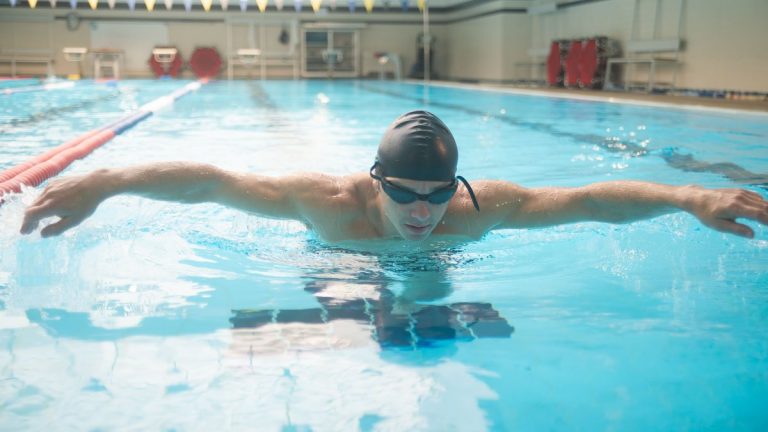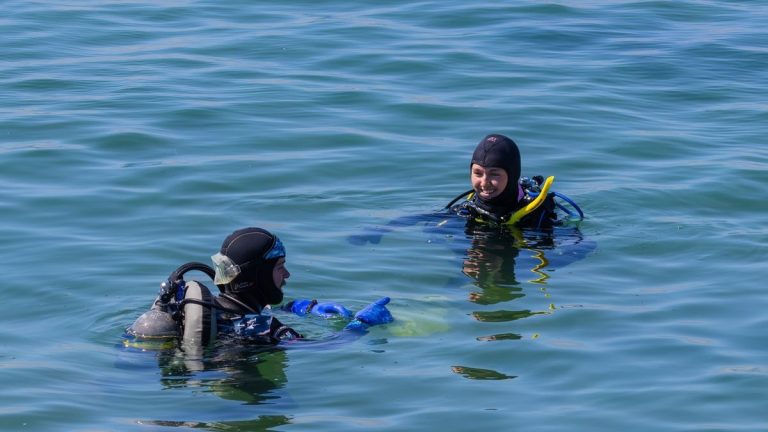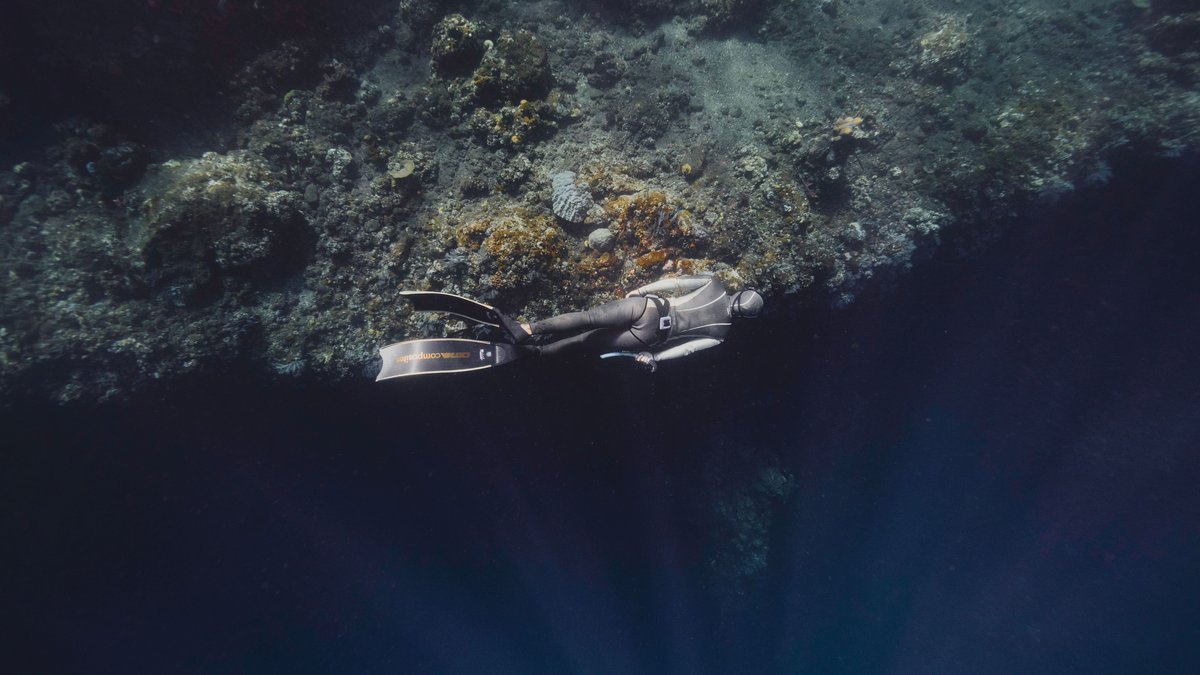
Athletes with similar lung capacity, strength and general fitness can produce strikingly different results beneath the surface. A scientific framework published in 2026 proposes that a hidden quality called aquaticity may help explain the gap, especially when a diver must move efficiently while holding one breath.
The Perspective article, published in the Journal of Functional Morphology and Kinesiology, describes aquaticity as the combined ability to use physical and mental capacities under the special demands of water. Authors Ivan Drviš, Dario Vrdoljak, Nikola Foretić and Željko Dujić connect movement efficiency with control of the nervous system, energy use and a diver’s response to rising physical stress.
The paper presents a scientific concept for future testing, rather than a completed measurement system. Researchers will need experiments involving athletes from different water sports before aquaticity can be scored reliably or used to predict performance. Breath-hold diving offers a valuable starting point because small losses of control can quickly consume limited oxygen.
A hidden dimension of performance in water
Scientists use the term “latent dimension” for a quality that cannot be observed with one direct measurement. Intelligence provides a familiar example: no single question measures the whole quality, so researchers study a pattern across many tasks. Aquaticity would be studied through the same broad approach, using performance under water to reveal how well a person adapts to that environment.
The full paper states, “Aquaticity cannot be directly measured by a single variable.” A swimmer’s speed, a diver’s breath-hold time, or the oxygen used during a task might each provide one clue. A useful assessment would need several connected observations gathered under clearly controlled conditions.
Researchers have discussed human aquaticity before, including an earlier scientific examination of how the term applies to people. Some previous work focused on skills such as floating, breathing control, propulsion and underwater awareness. The 2026 framework expands the idea toward competitive performance, where aquatic constraints influence how an athlete’s abilities appear during a difficult task.
How aquaticity links the body and mind
Water changes nearly every part of movement. Buoyancy supports the body, while drag resists motion. Pressure increases with depth and visual or balance signals can feel different from those experienced on land. Swimmers and divers must adjust force, body position, timing and muscle tension to suit these conditions.
The framework places physiological regulation beside neuromuscular control. Physiological regulation includes the way circulation, breathing-related signals and metabolism respond to immersion or apnea. Neuromuscular control covers how the brain and muscles coordinate a movement without wasting effort. Poor timing can increase drag and extra muscle tension can raise oxygen use even when the diver keeps moving forward.
Mental control also influences physical performance. A breath-hold diver feels a growing urge to breathe as carbon dioxide accumulates. Anxiety may tighten muscles or disturb pacing, while calm awareness can help an athlete maintain an efficient movement pattern. The authors call this area perceptual-mental stability, which includes the ability to read bodily signals and preserve control as discomfort grows.
Why similar athletes get different results
Traditional fitness tests often measure abilities in isolation. A laboratory can record oxygen use, muscle force, or lung volume under controlled conditions. Such values describe important parts of an athlete’s capacity, although water introduces forces and sensory demands that a land-based test does not reproduce.
Two divers could therefore begin with similar physical potential and use it with different levels of efficiency. One may hold a streamlined position, relax muscles that are not needed and choose a pace that conserves oxygen. Another may create more resistance, make unnecessary corrections, or begin at a speed that cannot be sustained. The same basic capacity can produce different distances and recovery demands.
The paper uses the term energetic aquaticity for the connection between metabolism, movement economy and nervous system control. Every kick costs energy. A kick that produces little forward motion consumes part of a limited oxygen supply without providing an equal performance gain. Efficient movement allows more of the diver’s stored oxygen to support useful work.
Breath-hold diving as a stress test
Breath-hold diving places unusually firm limits on performance. Once a dive begins, the athlete cannot replace the oxygen being consumed or remove carbon dioxide through normal breathing. Oxygen levels gradually decline, while carbon dioxide rises and strengthens the urge to breathe. Scientists describe these conditions as hypoxia and hypercapnia.
A broad review of breath-hold diving has examined the physiology, performance and safety questions surrounding the activity. Immersion and apnea trigger automatic responses in the body, including changes in heart function and circulation. Training, experience, movement cost and individual physiology can influence how long a diver performs before reaching a critical limit.
Apnea can expose small weaknesses that remain less visible during sports with regular breathing. Extra muscle tension raises oxygen demand. An inefficient fin stroke increases energy use, while poor pacing can create fatigue early in the attempt. Breath-hold diving therefore acts like a demanding test of biomechanical efficiency, bodily regulation and mental steadiness under the same environmental pressure.
Static apnea and dynamic apnea may reveal different parts of the framework. Static apnea involves holding the breath with little movement, so energy use and control of discomfort become central. Dynamic apnea adds swimming, which brings technique and hydrodynamic resistance into the measurement. Depth diving adds pressure changes and a vertical journey through the water.
How aquaticity could be measured
Aquaticity would have to be estimated through several signs that appear during real performance. Researchers could compare how well an athlete maintains technique as fatigue develops, how much energy is required for a set distance and how stable the performance remains across repeated efforts. Measurements collected during recovery could add information about the strain created by each task.
The paper gives special importance to real aquatic settings. A laboratory test can isolate one process with great precision, yet a pool or open-water task combines the forces an athlete must manage during actual performance. Portable sensors may eventually help scientists follow heart activity, movement and other body signals without removing the athlete from the water.
Environmental conditions would need careful recording. Water temperature can affect heat loss and physiological stress. Salinity changes buoyancy, while wetsuit thickness and fin stiffness alter the mechanics of movement. The framework treats these factors as conditions that influence how aquaticity appears during a test, so comparisons would need consistent equipment and surroundings.
A future aquaticity score might combine several measurements through statistical analysis. Researchers would first need to show that the measurements reflect a shared hidden quality and that the results remain stable when tests are repeated. A useful score would also need to predict meaningful outcomes in training or competition.
Training and safety in real water
Coaches commonly examine technique, fitness and breath-hold ability as separate parts of a training plan. An aquaticity framework could connect them through tasks that reveal how one weakness affects the whole performance. A diver who loses body position late in a swim may need work on movement control under rising respiratory stress, while another athlete may need a more economical pace.
Training could also focus on preserving relaxed, precise movement as conditions become harder. The goal would be to reduce wasted effort while maintaining control. Progress could be judged through changes in consistency, energy cost and recovery, with athlete monitoring used to follow how the diver responds over time.
Safety remains closely tied to breath-hold performance because oxygen can fall to dangerous levels. A medical review of diving injuries discusses the health problems that providers may encounter in breath-hold divers. Performance assessment in pools or open water requires suitable supervision, clear procedures and attention to the diver’s condition.
Aquaticity may eventually support safety-oriented decisions by showing when technique or body control begins to break down. Researchers still need evidence linking specific indicators with dangerous loss of stability. Until such evidence exists, the framework serves as a way to organize observations, while established diving safety practices remain essential.
What researchers still need to test
The largest open question concerns whether aquaticity can be confirmed as a measurable scientific construct. The 2026 paper develops a conceptual framework, so it does not provide a validated score or a large experiment comparing groups of athletes. Future studies will need enough participants to test whether the proposed domains truly cluster together.
Different sports may require different versions of the model. Competitive swimming allows repeated breathing, while finswimming changes propulsion through equipment. Spearfishing combines apnea with attention to the surrounding environment and depth diving adds pressure-related demands. Each discipline may give greater weight to a different part of aquaticity.
Researchers must also separate long-term adaptation from temporary changes. Fatigue, cold water, unfamiliar equipment and stress on a particular day can alter performance. Repeated testing would help determine whether a low result reflects an athlete’s usual adaptation to water or a short-lived condition during one session.
Better portable instruments could make such studies more practical. Devices that record movement and physiological signals during a dive may reveal when efficiency declines or control becomes unstable. Combining those readings with video and task results could give scientists a clearer picture of how human capacity is expressed beneath the surface.
Aquaticity offers a possible explanation for a familiar observation in water sports: physical potential alone does not set the final result. The proposed model connects that potential with the athlete’s ability to move economically, regulate the body and remain controlled under aquatic stress. Experiments will determine whether the concept can become a dependable tool for research, coaching and safer performance assessment.