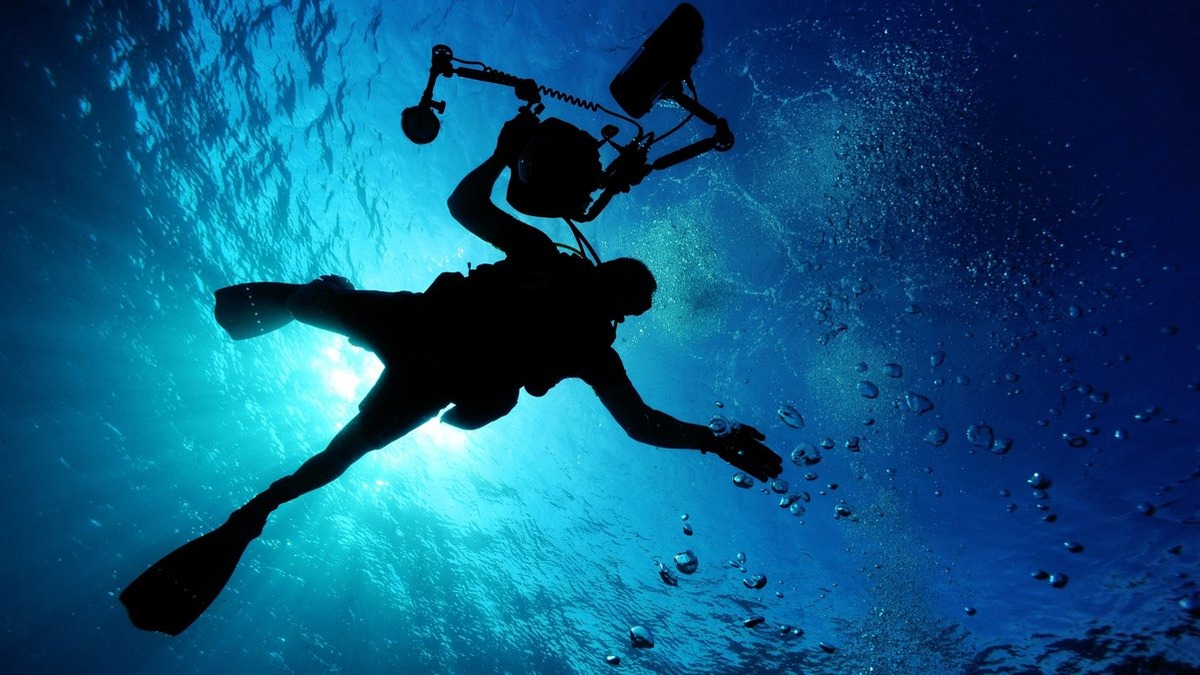
A two-month program combining scuba diving with mindfulness exercises reduced emotional eating among adults with obesity and the improvement remained visible months after the final dive. Participants also reported lower stress and less weight-related self-stigma, although their body weight stayed broadly stable.
The randomized trial, published in PLOS One on March 27, 2026, involved 63 adults receiving care in Montpellier, France. Half were assigned to the Bathysmed program alongside standard care, while the comparison group continued with dietary and psychological support alone.
The findings offer an early look at how scuba diving and mindfulness might help people recognize hunger signals, manage stress and respond differently to emotions connected with eating. The small study cannot establish how widely the program would work, yet its results provide a basis for larger trials.
How the underwater mindfulness program worked
Participants assigned to the diving group completed ten sessions over five weeks during September and October 2022. The first two sessions took place in a swimming pool in Montpellier, where the maximum depth was 1.5 meters. Later sessions moved to the Mediterranean Sea near Marseille, mainly at a depth of about 6 meters, with a few descents reaching 20 meters.
Each dive lasted about 20 to 30 minutes. Before entering the water, participants learned diving safety and discussed stress, emotions and eating behavior. Instructors also introduced breathing exercises and mindfulness practices that could be repeated underwater. The full program contained 30 exercises delivered by instructors trained in the Bathysmed method.
During the dives, participants focused on their breathing and bodily sensations. Guided mental exercises directed attention toward hunger, fullness, digestion, cravings and impulsive eating. An exploration period followed, then the divers returned gradually to the surface and discussed their experiences with the instructors.
From the third week, some participants also received virtual reality headsets containing videos of their own dives. Recordings of their breathing accompanied the images, creating a home-based reminder of the underwater experience. Participants were encouraged to use the headsets two or three times a week during the final five weeks of the intervention.
Emotional eating fell after two months
Researchers measured emotional eating with the Dutch Eating Behaviour Questionnaire, a widely used survey that asks how people respond to food under different emotional conditions. The emotional eating section was the trial’s main outcome, allowing the team to compare changes between the two groups.
After two months, emotional eating scores had fallen by an average of 0.82 points in the diving group. The standard-care group showed a smaller average decline of 0.27 points. Statistical analysis indicated that the difference between the groups was unlikely to be explained by chance alone.
The trial began with 63 participants, including 31 assigned to the diving program. Most were women and the median age was 46. Their median body mass index was 35.46, placing them within the medical definition of obesity. Participants in the diving group attended 89 percent of the required sessions, with 22 completing every dive.
External eating, which describes eating in response to sights, smells and other food cues, also declined more strongly in the diving group after two months. Restrictive eating scores showed no significant difference between the groups. A PubMed record provides the study citation and links to the full research paper.
Benefits continued through eight months
Emotional eating scores remained lower in the diving group at five months and again at eight months. The persistence of the difference attracted the researchers’ attention because benefits from earlier mindfulness programs have sometimes weakened within several months.
The team suggested that repeated reminders of the diving experience may have helped some participants continue using the breathing and attention skills. Sixteen people in the intervention group used the virtual reality sessions, although this part of the analysis was exploratory and involved a very small number of participants.
VR users and non-users did not show a clear difference immediately after the program. Differences appeared later, at the five-month and eight-month checks. The direction of the results was complex, however and the study was not designed with enough participants to determine whether virtual reality caused the longer-lasting effect.
Follow-up also became less complete over time. By eight months, outcome information was missing for about 36 percent of the intervention group and 53 percent of the control group. Statistical methods were used to account for missing responses, but high loss to follow-up reduces certainty about the size and durability of the benefit.
Stress and weight self-stigma also declined
Along with eating behavior, the researchers examined perceived stress and weight self-stigma. Weight self-stigma develops when people absorb negative social beliefs about body size and apply those judgments to themselves. It can lower confidence, increase emotional strain and make healthy behavior changes harder to maintain.
After two months, weight self-stigma scores fell more in the diving group than in the standard-care group. The difference remained statistically significant at five months and eight months. Perceived stress scores also favored the intervention group during the follow-up period.
Quality-of-life scores improved after the two-month program. The average change was 8.9 points in the intervention group, compared with a slight decline of 0.13 points among participants receiving standard care alone. The difference in quality of life was no longer clear at the later follow-up checks.
A related qualitative study examined how ten participants described the experience in interviews. Their accounts linked the program with greater awareness of hunger, improved management of emotions, rising confidence and an increased willingness to try physical activity.
Body weight remained largely unchanged
Average body weight stayed stable in both groups during the trial. Researchers also found no clear group difference in changes to body mass index or waist circumference. The main measurable effects appeared in eating behavior and psychological well-being rather than short-term weight loss.
The study was built around emotional eating as its primary measure. Weight, BMI and waist size were secondary outcomes and the follow-up period may have been too short to detect gradual physical changes. A decline in emotionally driven eating could occur before a measurable change in body mass, especially when participants are not following a strict weight-loss diet.
Standard care continued for everyone in the trial. Participants had appointments with a general practitioner and monthly sessions with a dietitian. Psychological support was available when medically indicated, with discussions covering stress and a person’s relationship with food.
The dietitians avoided restrictive diet plans. Their sessions focused on identifying eating patterns, personal needs and difficult situations. The diving program therefore added an intensive physical and psychological experience to an established care plan rather than replacing clinical support.
Why diving may support mindful eating
Underwater breathing follows a slow and deliberate rhythm because each breath passes through scuba equipment. Divers must also pay close attention to their bodies, surroundings, depth and communication signals. Such demands can create a strong focus on the present moment, which resembles several elements of mindfulness practice.
Water also reduces the feeling of body weight. For people who experience joint pressure or discomfort during land-based exercise, buoyancy may make movement feel more accessible. Participants in the related interview study described feeling comfortable in the water and less aware of physical pressure from their weight.
The program connected this underwater attention with eating-related signals. Participants practiced noticing sensations associated with hunger and fullness while learning ways to pause before reacting to a craving. Controlled breathing may also support calmer responses to stress, although the trial did not directly measure the nervous-system pathways behind the behavioral changes.
In their discussion, Griffiths and colleagues wrote, “Our study demonstrated the synergy of mindfulness and diving.” The proposed effect depends on several connected experiences, including breath control, focused attention, supported physical activity and repeated practice. Larger studies will be needed to identify which parts contribute most strongly.
Small trial leaves important questions
The sample included only 63 adults from one primary care center with a special interest in obesity. Fifty-five participants were women and people older than 60 were excluded. The study also excluded anyone with a BMI above 45, certain psychiatric conditions, limited walking ability, heart problems, or another medical reason that made scuba diving unsafe.
Participants and instructors knew who had entered the diving program. The intervention group also received far more contact time and attention than the control group. Expectations, group support and the excitement of learning a new activity could therefore have contributed to the differences between the groups.
The trial registration was added to ClinicalTrials.gov retrospectively. The researchers reported that the project had received prior approval from France’s national research ethics committee and followed a predefined protocol, yet registration before enrollment is generally valuable because it creates a public record of planned outcomes.
Bathysmed sponsored the study and two company founders were involved in the design and manuscript editing. A Bathysmed scientific adviser was also an author. The paper states that the funders had no role in data collection, analysis, interpretation, or the decision to publish. Independent replication would strengthen confidence in the findings.
Researchers reported no unintended side effects and only three participants needed custom-made wetsuits. Even so, scuba diving requires medical screening, trained instructors, safety equipment and suitable water conditions. The findings should not be treated as support for unsupervised diving as an obesity treatment.
What researchers plan to test next
Future trials could recruit larger and more varied groups across several health centers. An active comparison program with similar instructor contact, group support and time commitment would help separate the effects of diving from the influence of attention and expectation.
Researchers could also compare individual parts of the program. One group might receive mindfulness training on land, another could complete standard recreational diving, while a third follows the combined Bathysmed approach. Such a design could reveal whether underwater practice produces benefits beyond those linked with exercise or mindfulness alone.
Virtual reality offers another research path for people who cannot safely dive. A headset could recreate the sights and breathing sounds of immersion without exposure to depth, cold water and the physical demands of scuba equipment. Carefully controlled trials would still be needed to learn whether simulated diving affects emotional eating.
The research team made the supporting study dataset available through Figshare. Open data can help independent scientists inspect the analysis and plan stronger follow-up research. Longer monitoring could also determine whether lower emotional eating eventually leads to changes in health, activity levels, or body weight.
For now, the trial supports a broader view of obesity care that includes mental well-being and eating behavior. Emotional eating, stress and self-stigma can influence daily life long before a scale records a change. The underwater program suggests that a carefully supervised physical experience may help some adults practice new responses to those pressures.