Oceans

RSS Feed

Ocean science news, explainers, and statistics covering marine environments, currents, climate, coasts, seafloor research, and the changing global ocean.

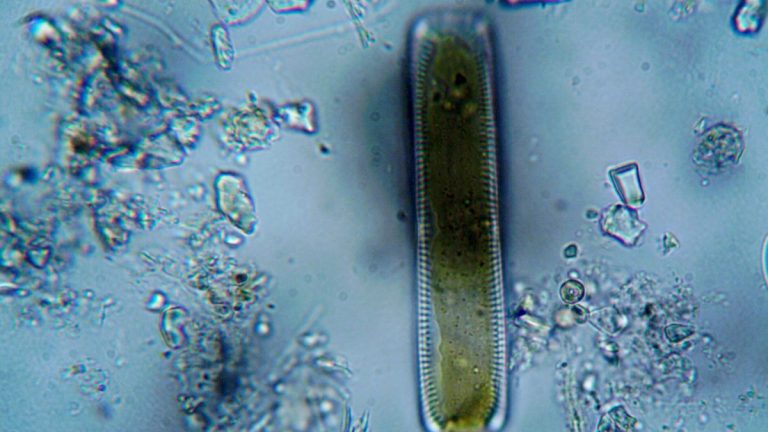
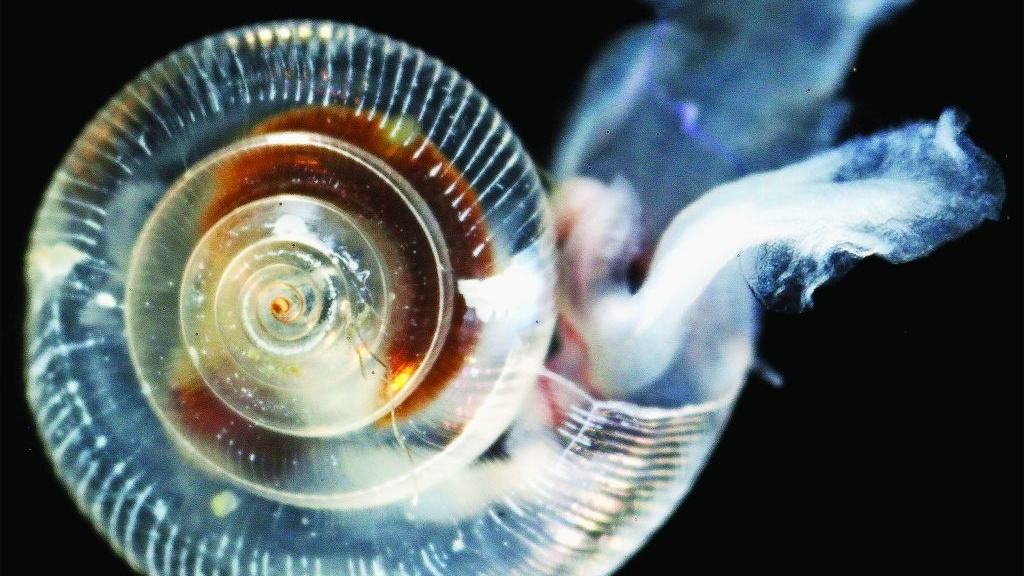
Pteropod shell affected by ocean acidification

Ocean acidification is changing the chemistry that builds shells

NOAA’s Ocean Acidification Program tracks a quiet chemical shift across the sea. As the ocean absorbs more carbon dioxide from the air, seawater holds more hydrogen ions and fewer carbonate ions. That matters because carbonate helps many marine animals build shells and skeletons. The change reaches from coral reefs to tiny drifting snails and it…
More

More in Oceans

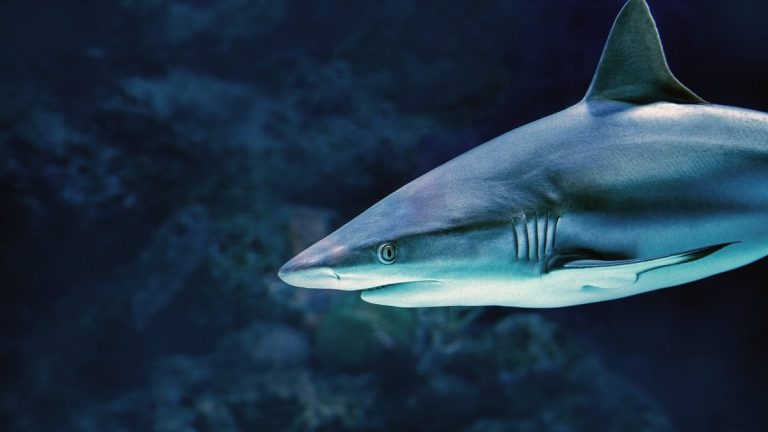
A shark swimming through dark ocean water

Greenland sharks can live for roughly 400 years, longer than any other known vertebrate and a near-complete genome mapped in 2026 reveals DNA repair and chromatin stability alongside immune defenses and cancer resistance, molecular systems that may keep individuals born around Shakespeare’s lifetime still swimming in cold Arctic waters after nearly four centuries of life

A PNAS study led by researchers at the University of Tokyo has produced a chromosome-scale map of the Greenland shark genome. The assembly covers an estimated 96.7 percent of the genome and reveals several biological systems that may support a lifespan measured in centuries. The findings bring scientists closer to a question that has surrounded…

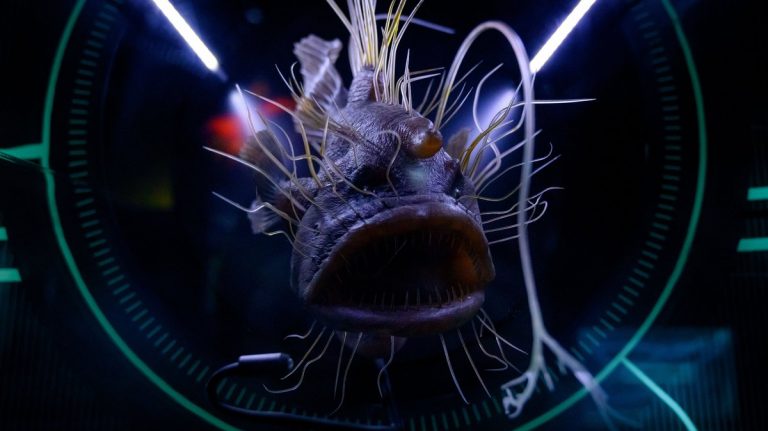
Deep-sea anglerfish representing newly discovered marine species

31 strange new species discovered in just two weeks off Brazil

Schmidt Ocean Institute announced 31 previously undescribed marine species from a two-week expedition off Brazil, a rapid burst of discovery from one of Earth’s least familiar habitats. The findings came from an official announcement describing work aboard the research vessel R/V Falkor (too), where an international team explored the ocean’s dim midwater with robotic vehicles…

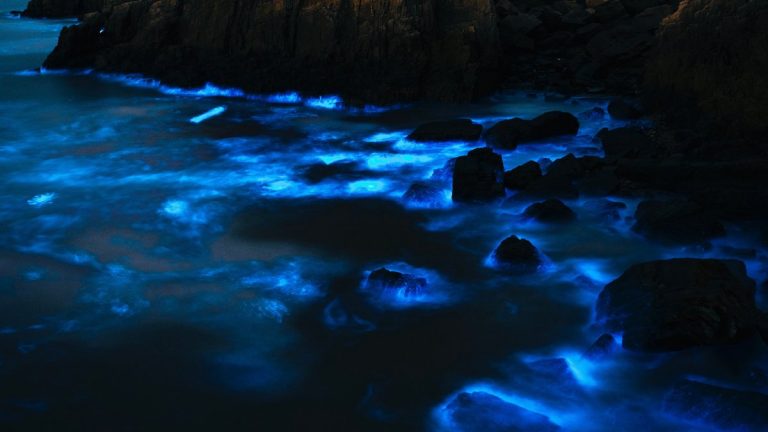
Bioluminescent ocean waves glowing along a rocky coast at night

For 400 years, sailors reported ghostly white seas across the Indian Ocean and a new database combining ship logs with satellite imagery suggests climate patterns may help predict when trillions of microscopic bacteria could switch on a glow vast enough to be seen from space

Researchers at Colorado State University and the Cooperative Institute for Research in the Atmosphere have assembled four centuries of reports about one of the ocean’s rarest spectacles. Their database combines sailors’ accounts with satellite observations of enormous areas of steadily glowing water known as milky seas. The archive could help scientists anticipate where the next…