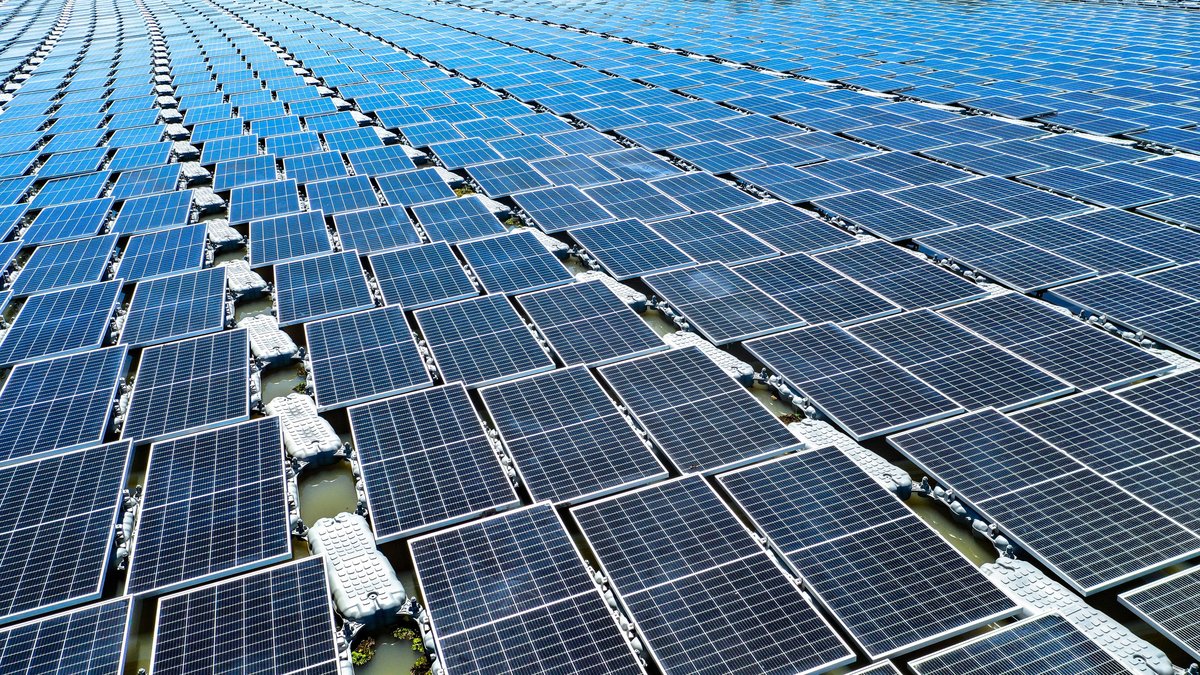
Mowi Chile has launched the country’s first floating solar pen at its Huar Norte salmon farm. The marine energy system combines photovoltaic panels with batteries and power controls. According to project partner AKVA group, renewable energy is expected to supply about 57% of the site’s electricity needs.
The installation is designed to reduce the farm’s dependence on diesel generators. Project estimates indicate that it could save roughly 139,200 liters of diesel each year. That change would prevent about 350 tonnes of carbon dioxide emissions annually while reducing fuel deliveries and generator noise.
The project also shows how renewable power can be built into the physical structure of a working fish farm. Solar panels sit directly above a salmon enclosure, allowing the same offshore footprint to support food production and electricity generation.
Chile’s first floating solar fish pen
The system operates at Huar Norte, a marine salmon farming site near Isla Huar in Chile’s Los Lagos Region. Fish farms in such locations require dependable electricity for equipment and daily operations. Remote marine sites often meet those needs with generators because they sit beyond conventional power grids.
For the Chilean project, four companies brought together different parts of the installation. Mowi operates the salmon farm. AKVA group supplied the pen infrastructure and handled the integration of the solar equipment. Norwegian energy company Alotta Energy developed and delivered the floating solar plant.
Fjord Maritime supplied the energy management and storage equipment. Together, the technologies create a hybrid system that can generate electricity during daylight and retain energy for later use.
Christian Schäfer, General Manager of AKVA group Chile, credited Mowi with taking an early step toward lower-emission aquaculture. “We are grateful for the trust placed in us as technology partner for this project,” Schäfer said in the company’s announcement.
The panels and supporting equipment must function in a demanding setting. Marine solar hardware encounters saltwater, wind, waves, moisture and continuous movement. The pen structure therefore serves two roles. It contains the salmon while supporting a power plant engineered for conditions at sea.
How the solar and battery system works
At the center of the installation is a solar hybrid system mounted directly on the fish pen. Photovoltaic cells convert sunlight into electric current. The site can consume that electricity as it is generated or direct surplus power into batteries.
That storage function matters because a salmon farm’s energy use continues when clouds pass overhead and after sunset. Battery storage helps smooth the difference between changing solar output and the farm’s ongoing demand. An energy management system controls when electricity is used, stored, or supplemented by another source.
Steve Burns, Managing Director of Fjord Maritime Chile, described reliability as a central goal. “For us, this is about securing stable and robust energy supply while also cutting emissions,” he said.
The arrangement remains hybrid because diesel generation can support the site when solar production and stored energy cannot cover demand. This approach gives operators a gradual route toward cleaner power while maintaining the continuous electricity required at a working farm.
Alotta had already tested its marine solar technology along the Norwegian coast before applying it in Chile. “Our Alotta Solar Hybrid technology has been proven along the Norwegian coast and now it’s helping Mowi cut emissions in Chile,” said Kari-Elin Hildre, CEO of Alotta Energy Chile.
Cutting diesel use and carbon emissions
The largest projected benefit comes from reducing the amount of fuel burned at the site. AKVA group estimates that the installation will lower annual diesel consumption by approximately 139,200 liters. That equals about 36,770 US gallons.
Using less fuel is expected to reduce yearly carbon dioxide emissions by around 350 tonnes. These figures are project estimates associated with the hybrid system’s expected operation. The final savings will depend on solar conditions, electricity demand, battery performance, maintenance and the amount of generator use that the system replaces.
Renewable energy is projected to cover about 57% of Huar Norte’s total power requirement. That share is substantial for an offshore industrial site, especially one that needs reliable electricity throughout the day. Diesel remains available to support the operation during periods when renewable generation and stored energy fall short.
Fuel savings can also reduce activity elsewhere in the supply chain. Diesel has to be transported to a marine farm by boat. Each avoided delivery can cut fuel use associated with the trip and reduce the amount of handling required at the site.
The project places electricity production beside the equipment that consumes it. This local generation model can be useful in remote settings because it limits dependence on long transmission connections. It also reduces exposure to the logistical demands of repeatedly moving fuel across the water.
A quieter workplace on the water
Diesel generators produce more than carbon emissions. Their engines create a steady mechanical presence through sound and vibration. Reducing generator operation can therefore improve working conditions for employees who spend long periods at the farm.
AKVA group says the solar installation should lower generator noise and reduce traffic from fuel supply vessels. A quieter site may make routine communication easier and create a more comfortable environment for staff. Fewer fuel transfers can also simplify parts of the farm’s daily logistics.
The acoustic effects beneath the surface require dedicated measurements before any biological conclusions can be drawn. Sound travels efficiently through water and marine animals can respond to different frequencies and intensities. The available project announcement focuses on the engineering system and workplace improvements rather than reporting a controlled study of salmon behavior.
Even so, the reduction in engine operating time provides a clear physical mechanism for lowering local noise. Solar panels generate electricity without the combustion and moving engine components found in diesel generators. Batteries also deliver power quietly while discharging.
The system could improve safety by reducing the frequency of fuel transportation and handling. Diesel storage remains part of the hybrid installation, yet lower consumption means less fuel must pass through the operation over the course of a year.
A solar canopy above a working salmon pen
The project’s visual centerpiece is the broad solar canopy supported by the floating pen. Beneath it are the farmed salmon already occupying the enclosure as part of Huar Norte’s aquaculture operation. The structure gives the panels access to open sunlight while using space assigned to the farm.
Placing panels over water can change the amount of direct sunlight reaching part of the pen. The canopy may also provide some shelter from overhead exposure. The official project announcement does not present measurements of fish welfare, water temperature, growth, stress, or behavior under the panels.
Any biological effects would need to be studied under local conditions. Researchers would have to compare covered and uncovered pens while tracking factors such as water circulation, temperature, oxygen, feeding, fish movement and health. Seasonal changes could also influence the results.
The immediate, documented purpose of the canopy is electricity generation. Its design turns part of the farm’s existing surface area into an energy asset. That offers a practical advantage in coastal regions where suitable land may be distant from the electricity user.
The pen also demonstrates how renewable infrastructure can be incorporated into marine aquaculture. Instead of locating a separate solar array on shore, the project brings generation equipment to the point of demand. This arrangement may reduce the need for additional land and lengthy marine power connections.
Why floating solar could spread across aquaculture
Aquaculture facilities in remote coastal waters often face a similar energy problem. Pumps, communications equipment, lighting, monitoring systems and other operations need electricity. Diesel generators offer dependable power, yet they also require regular fuel deliveries and produce direct emissions.
Floating solar could reduce those demands at sites with suitable sunlight and marine conditions. A hybrid design allows operators to retain backup generation while replacing a meaningful share of diesel use. Batteries help extend the value of sunlight beyond the hours when panels are producing their maximum output.
Expansion would require careful engineering for each farm. Designers must consider waves, wind, corrosion, anchoring, maintenance access, electrical safety and the load carried by the pen. Local weather and seasonal solar resources will affect how much diesel a system can replace.
Economics will also vary by location. Sites with expensive fuel deliveries may gain more from producing electricity on the water. Battery costs, maintenance requirements, equipment life and the farm’s power demand will shape the final calculation.
Huar Norte offers a working example of marine solar technology moving beyond a small test platform. Its expected 57% renewable share suggests that floating photovoltaic systems can cover a large part of an offshore farm’s energy demand while diesel provides backup. Future operating data will reveal how closely the installation meets its projected fuel and emissions savings.