Researchers at the Center for Marine Debris Research at Hawaiʻi Pacific University have presented early results showing that discarded fishing nets and household plastic waste can be blended into asphalt roads in Hawaii. The work, described in an ACS announcement, suggests that recycled plastic pavement can perform as a practical destination for waste already accumulating across the islands.
The finding matters because Hawaii faces a hard waste problem with few easy exits. Marine debris reaches its shores and waters, while recycling plastic off-island can be expensive and logistically difficult. Roads, meanwhile, already use polymer-modified asphalt to improve durability in the state’s hot, wet climate.
Jeremy Axworthy, a researcher at Hawaiʻi Pacific University‘s Center for Marine Debris Research, presented the team’s results at ACS Spring 2026. “This work investigates whether it’s responsible to use recycled plastics in Hawaii’s roads,” Axworthy said.
Why Hawaii is testing plastic asphalt
Hawaii’s roads have increasingly relied on polymer-modified asphalt since 2020. This type of pavement uses added polymers to help roads resist cracking, rutting and water damage. Those traits are especially useful in a tropical setting where rain, heat and traffic can quickly wear down road surfaces.
In conventional polymer-modified asphalt used in Hawaii, the binder often includes styrene-butadiene-styrene, or SBS. This petroleum-based copolymer is melted into asphalt binder, creating a sticky material that coats heated rocks and sand before crews lay it as pavement.
The Hawaii Department of Transportation asked whether recycled plastic could replace some virgin polymer in that process. The question had two sides. Engineers needed to know whether the pavement would work. Environmental scientists needed to know whether the road would shed microplastics or chemicals into nearby soil and stormwater.
That brought HDOT to environmental chemist Jennifer Lynch, director of the Center for Marine Debris Research. Her team had both access to recovered marine debris and the lab tools needed to study tiny polymer particles in road dust and runoff.
From fishing nets to pavement
Fishing gear became a central part of the project because derelict nets are a major waste stream in Hawaii’s surrounding waters. Lynch put the scale of the problem plainly. “Foreign plastic derelict fishing gear is the largest contributor of Hawaii’s marine debris problem,” she said.
The Center for Marine Debris Research has been removing large fishing gear through its Bounty Project. That program pays licensed commercial fishers for hauling marine debris out of the Pacific Ocean. According to the ACS release, the project has removed 84 tons of large derelict fishing gear to date.
Those nets can contain high-density polyethylene, often shortened to HDPE. The material is useful in recycling because it can be processed into a form that can enter asphalt mixtures. Household plastic waste collected through Honolulu’s residential recycling system offered another local plastic stream for testing.
After a U.S.-based company converted the recovered plastics into materials suitable for pavement production, the project moved from the lab to the road. A local paving company resurfaced sections of a residential street on Oahu using several asphalt mixes. One section used standard SBS. Others used polyethylene from local recycling or polyethylene recovered from fishing nets.
How the team measured microplastics
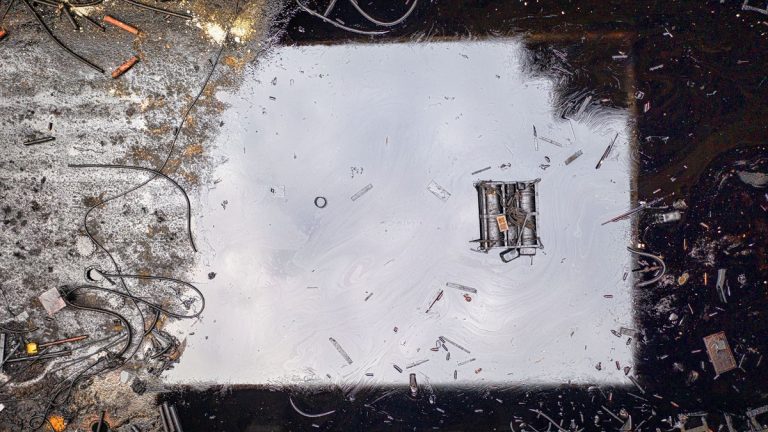
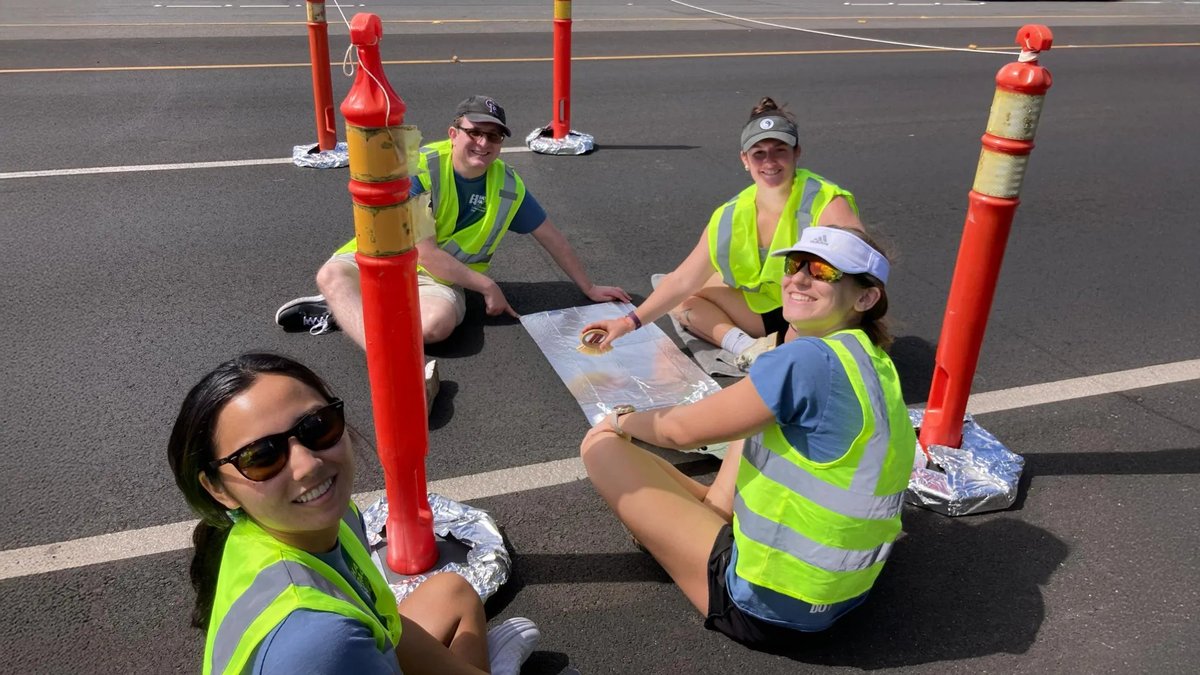
About 11 months after the road sections were installed, Lynch’s team returned to collect dust from the pavement. Road dust can hold particles from asphalt, tire wear, vehicle activity and the surrounding environment. That makes it a useful place to look for early signs of polymer shedding.
The researchers separated polymer types from the dust and analyzed them with pyrolysis gas chromatography-mass spectrometry. The method heats a sample until materials break into chemical fragments. Those fragments then act like fingerprints, helping scientists identify the polymers present.
Using this approach, the team could distinguish between different sources. Styrene and butadiene pointed to the SBS used in standard polymer-modified asphalt. Polyethylene pointed to recycled plastic or fishing net material. Isoprene and butadiene rubber pointed to tire wear particles.
The team also studied pavement under laboratory conditions. Mechanical performance tests and simulated stormwater samples helped researchers compare what happened in controlled tests with what they saw on the Oahu road. That combination gave the project both real-world and lab-based evidence.
What the early road tests showed
The first results were encouraging. Pavements containing recycled polyethylene released polymer levels comparable to the standard SBS pavement. The same pattern appeared in laboratory testing and in simulated stormwater collected from the experimental road sections.
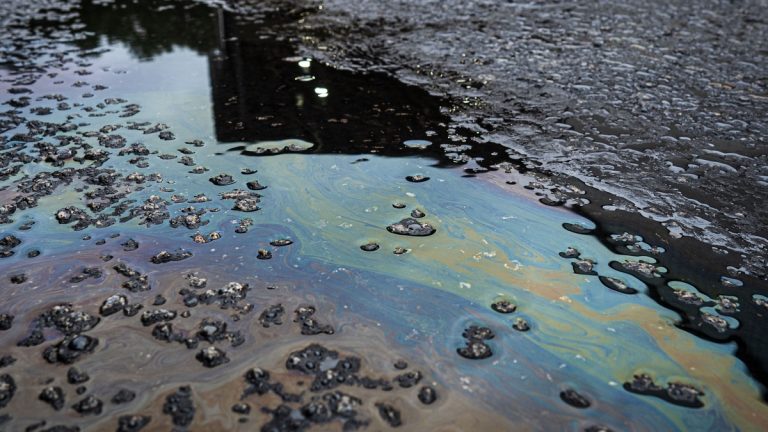
Microplastic-sized particles were detected, which is expected around roads because pavement and tires both experience constant wear. Very few of those particles were identified as polyethylene across the pavement types tested. That detail matters because polyethylene was the recycled plastic added to the experimental asphalt.
The likely reason lies in how the plastic enters the pavement. The recycled polymers are melted into the asphalt binder. When traffic and weather wear the road surface, the particles that break away appear to be mixtures of rock, binder and polymer chains. The plastic remains embedded in a larger asphalt matrix.
These results are still early. They show that recycled plastic asphalt can be evaluated carefully and that the first field measurements did not show a surge in polyethylene release. They also give transportation agencies a way to ask a practical question with environmental measurements attached.
Why tire dust stood out
One of the clearest signals in the analysis came from vehicle tires. Tires constantly shed tiny particles as they roll over pavement. In the team’s early road dust data, that material appeared far more prominently than polyethylene from the recycled plastic pavement.
Lynch described the signal with unusual bluntness for an analytical chemistry result. “We saw tire wear swamps the signal of polyethylene by orders of magnitude, like gigantic peaks!” she said.
That comparison helps put the road data in context. Roads are complicated particle sources. Asphalt binders, mineral aggregates, vehicle tires and environmental debris all mix together at the surface. Separating those signals requires instruments that can tell polymers apart by chemistry rather than appearance alone.
The finding also points to a broader issue in microplastic research. Studying recycled plastic in roads requires measurements that include tire wear and existing pavement materials. Without that chemical sorting, polyethylene from recycled waste could be overestimated or missed inside a much noisier road-dust background.
What needs testing next
Durability remains the next major question. Roads must survive traffic, heat, rain and time. The ACS release notes that additional research is needed to assess how well recycled plastic pavement holds up over the long term.
The environmental testing also needs time. Eleven months of road use offers an early look at polymer release. Longer monitoring could show how the pavement behaves as it ages, cracks and experiences more traffic. The strongest case for recycled plastic asphalt will come from repeated measurements across more conditions.
For Hawaii, the appeal is easy to see. The state needs roads, faces landfill pressure and receives large amounts of marine debris. Turning local plastic waste into long-lasting infrastructure could reduce transport, disposal and incineration burdens if future testing supports the approach.
Lynch sees the work as part of a larger shift toward practical recycling systems. “But this work demonstrates that recycling can work when society prioritizes sustainability,” she said.
The research was funded by the Hawaii Department of Transportation. Its next steps could help determine whether recycled plastic asphalt becomes a wider tool for island waste management and cleaner coastal environments.