A PNAS study led by researchers at the University of Tokyo has produced a chromosome-scale map of the Greenland shark genome. The assembly covers an estimated 96.7 percent of the genome and reveals several biological systems that may support a lifespan measured in centuries.
The findings bring scientists closer to a question that has surrounded the Greenland shark for years. How can a vertebrate keep its cells working for roughly four centuries while limiting cancer and other forms of age-related damage?
The genome points toward a layered answer. Researchers found evidence involving DNA maintenance, immune activity, chromosome packaging and responses to cellular stress. Each system could help preserve tissues during a life that unfolds at an exceptionally slow pace in cold Arctic waters.
Evidence for a 400-year lifespan
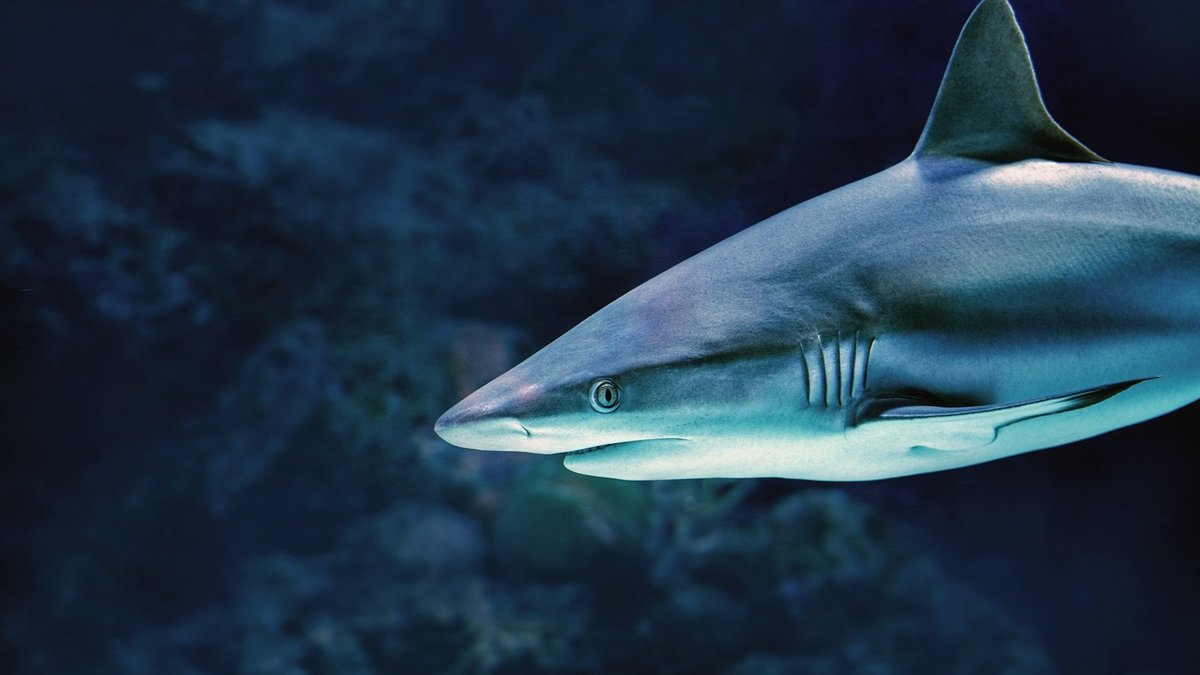
Greenland sharks live in the North Atlantic and Arctic oceans. They grow slowly and spend much of their time in deep water, which makes long-term observation extraordinarily difficult. Scientists therefore had to estimate their ages through biological clues preserved inside the animals.
A pivotal 2016 study used radiocarbon dating on proteins from the centers of the sharks’ eye lenses. These proteins form early in life and remain relatively stable. Their chemical signatures can serve as records of when an animal was born.
The largest shark examined was a female about five meters long. Researchers estimated her age at 392 years with an uncertainty of 120 years in either direction. That broad range reflects the difficulty of dating animals whose births occurred centuries before modern wildlife monitoring began.
Even with that uncertainty, the results placed Greenland sharks among the most extraordinary examples of vertebrate longevity. Some individuals alive today may have hatched during the early 1600s. The species is also thought to reach sexual maturity at around 150 years, although that figure carries uncertainty of its own.
A genome of 5.9 billion base pairs
The 2026 team created a chromosome-level genome assembly spanning about 5.9 billion DNA base pairs. The human genome contains roughly 3.2 billion base pairs, which gives a sense of the Greenland shark genome’s unusual scale.
Genome assembly resembles reconstructing an enormous book from millions of overlapping fragments. Researchers sequence small or long pieces of DNA and use computational methods to determine how those pieces fit together. Additional information can then connect the assembled sequences into chromosomes.
The team reported a completeness score of 96.7 percent. That measurement is based on sets of genes expected to appear in vertebrates. A high score indicates that the assembly contains most of the shark’s biologically important genetic information.
An earlier international project released a preliminary Greenland shark assembly in September 2024. That preprint estimated a genome size of about 6.45 billion base pairs. Differences between the two estimates can arise from sequencing technology, assembly methods, repetitive DNA and the way overlapping regions are resolved.
Jumping genes and duplicated DNA repair
A striking portion of the Greenland shark genome consists of transposable elements. These pieces of DNA can copy themselves or move into new genomic locations. Such activity has shaped genomes throughout evolutionary history.
The 2024 preliminary assembly estimated that transposable elements account for about 70 percent of the shark’s genome. Repeated sequences are challenging to assemble because many copies look almost identical. They may also alter nearby genes or carry genetic material into new locations.
Researchers proposed that this copying activity helped duplicate genes involved in DNA repair. The preliminary analysis identified 81 repair-related genes that appeared in multiple copies in Greenland sharks while occurring as single copies in other sharks included in the comparison.
Every cell experiences DNA damage. Reactive molecules produced during metabolism can modify genetic material. Copying errors can arise as cells divide, while environmental factors create additional damage. Repair proteins find these altered regions and restore the DNA sequence or remove badly damaged material.
Extra copies of repair genes could increase the available molecular machinery for maintaining the genome. The duplication pattern remains an evolutionary clue rather than a complete explanation for longevity. Researchers still need functional experiments to determine how strongly the additional copies affect repair performance in living shark cells.
Chromatin protection inside the nucleus
DNA spends most of its time wrapped around proteins inside the cell nucleus. Together, this packaged material is called chromatin. Its structure helps fit a long DNA molecule into a microscopic space and controls which genes the cell can access.
The 2026 study identified unusual amino acid substitutions in histone H1.0. This linker histone helps organize and compact chromatin. Computer-based predictions suggest that the Greenland shark version could improve the stability of this packaging.
The paper’s abstract states that “Unique amino acid substitutions in the globular domain of linker histone H1.0 are predicted to enhance chromatin stability,” and links the wider gene repertoire to hypotheses about exceptional longevity. Stronger or more stable packaging could shield DNA from some forms of molecular damage. It could also help cells preserve orderly gene activity over long periods.
These proposed effects still require direct testing. Scientists can compare the shark protein with versions from shorter-lived species. They can also introduce the different forms into cultured cells and measure chromosome organization, gene activity and resistance to stress.
Chromatin stability may be especially important over a lifespan of several centuries. Small disruptions that seem harmless over a few years could become significant when they accumulate for hundreds of years. Durable DNA packaging would give cells another layer of protection alongside repair enzymes.
Cancer resistance, immunity and cellular stress
Longevity creates a biological challenge because every additional year gives cells more time to acquire mutations. Large and long-lived animals therefore need effective ways to control damaged cells. The Greenland shark genome contains several features associated with cancer resistance and immune regulation.
The researchers detected changes in gene families connected with immune enhancement and DNA maintenance. Immune cells can recognize abnormal tissue and remove cells showing signs of infection or dangerous transformation. Careful control of inflammation is equally important because chronic inflammation can gradually harm healthy organs.
The genome also raised questions about ferroptosis. This regulated form of cell death occurs when iron-dependent chemical reactions damage fatty molecules in cellular membranes. Ferroptosis can remove compromised cells, yet excessive activation can injure healthy tissue.
Genes involved in iron storage may help shape this balance. The study highlighted distinctive aspects of the shark’s genetic repertoire that could connect iron regulation with exceptional longevity. The researchers presented this link as a hypothesis for future investigation.
Another preliminary finding involved p53, a protein that responds to DNA damage and can stop cell division. It can also direct severely damaged cells toward self-destruction. The 2024 analysis reported a unique insertion in a conserved region of the Greenland shark p53 protein, although its biological effect remains to be established experimentally.
Limits of the lifespan estimate
The famous estimate of nearly 400 years comes with a wide margin of uncertainty. The oldest shark in the 2016 analysis was assigned an age of 392 plus or minus 120 years. Its actual age could therefore fall across a broad span.
Radiocarbon levels in the ocean change over time and vary among food webs. Nuclear weapons testing during the mid-20th century created a recognizable radiocarbon pulse that can help date younger animals. That marker becomes less useful for individuals born long before the testing era.
Scientists must also account for marine reservoir effects. Carbon can circulate through the deep ocean for long periods before entering an animal’s tissues. This makes marine samples appear older unless researchers apply suitable calibration methods.
The available evidence firmly supports a lifespan extending across multiple centuries. Greater precision will require larger sample sets and improved dating approaches. Long-term biological monitoring could also refine estimates of growth rates and sexual maturity.
Genomic associations carry another form of uncertainty. A gene family that expanded in a long-lived animal may contribute to longevity or reflect another aspect of its biology. Experiments involving proteins and cultured cells can help separate these possibilities.
What shark longevity could teach medicine
The Greenland shark genome gives aging researchers a new reference for comparative biology. Scientists can compare it with genomes from bowhead whales, giant tortoises, naked mole rats and other animals known for unusually long lives.
Each species has evolved within a different environment. Greenland sharks experience cold temperatures, slow growth, low metabolic rates and life in the deep ocean. Those conditions may interact with their genetic defenses and influence how quickly damage accumulates.
Researchers can now examine which Greenland shark genes are active in specific tissues. They can produce shark proteins in laboratory systems and test how those molecules respond to DNA damage. Gene-editing tools may allow scientists to study individual substitutions without working directly with these rare and difficult-to-observe animals.
The medical possibilities remain at an early stage. A shark gene cannot simply be treated as a ready-made therapy for human aging. Human cells operate within different developmental and metabolic systems, so useful discoveries would require extensive testing and careful adaptation.
The immediate value lies in identifying biological strategies that evolution has already explored. Improved chromosome stability, efficient repair, balanced inflammation and controlled cell death could all point toward future research on age-related disease.
Greenland sharks offer an extreme natural experiment. Their cells may preserve functional genomes across a period longer than many human institutions have existed. With the near-complete sequence now available, scientists can begin testing which molecular features truly help these animals survive from one historical era into another.