Oceans

RSS Feed

Ocean science news, explainers, and statistics covering marine environments, currents, climate, coasts, seafloor research, and the changing global ocean.

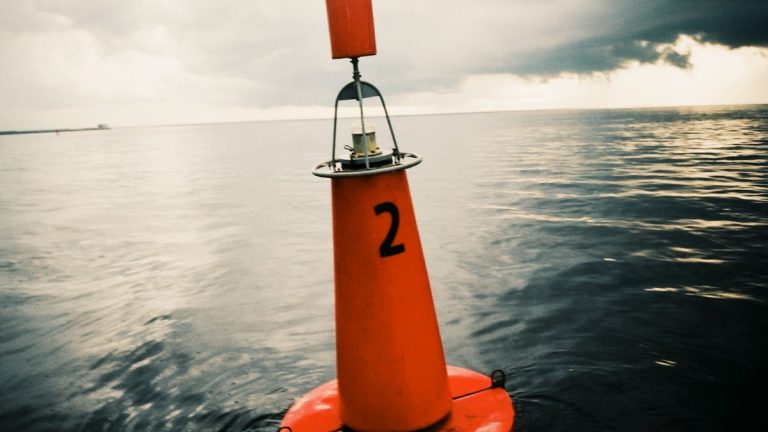
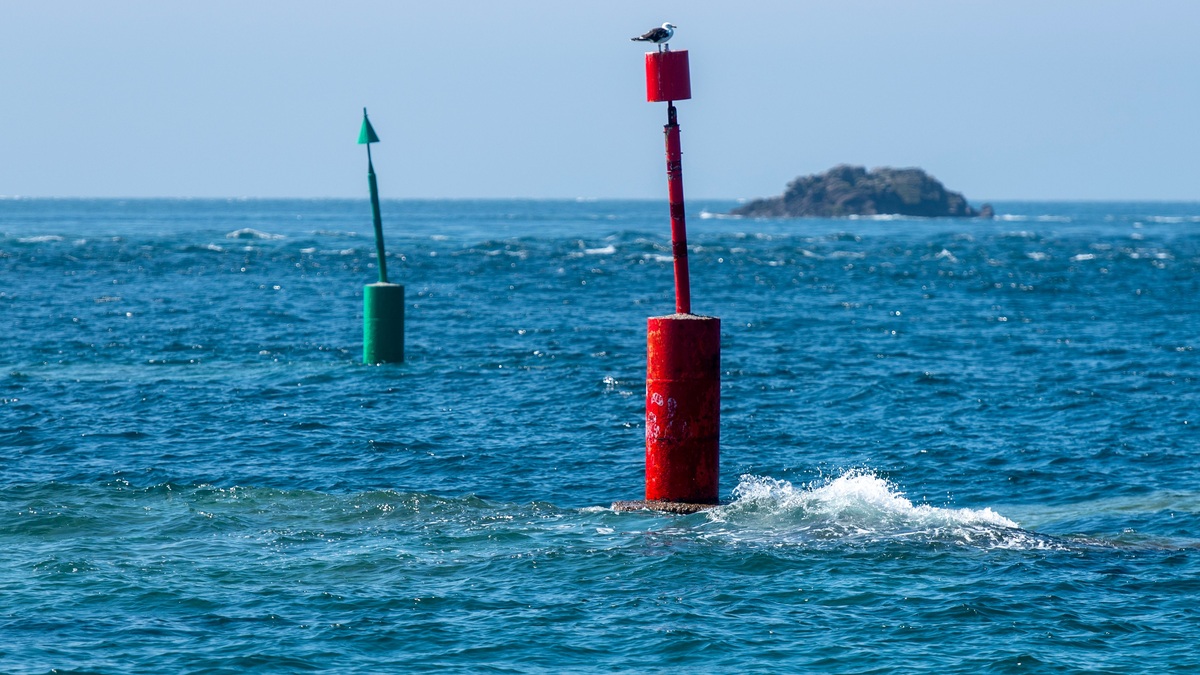
Red and green ocean observation buoys in open water

What Is the U.S. Integrated Ocean Observing System?

The U.S. Integrated Ocean Observing System, known as IOOS, is a national network that connects coastal and ocean measurements collected by many organizations. It combines data from buoys and satellites with tide-gauge records. Coastal radar, underwater vehicles and other platforms feed the same compatible services that people can find and use. Its value comes from…
More

More in Oceans

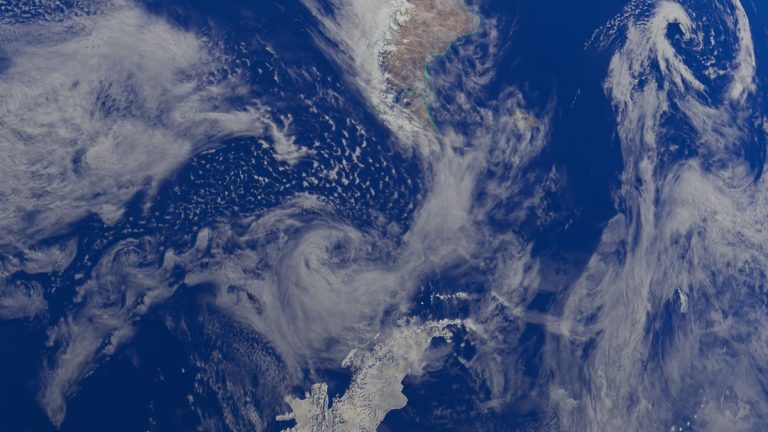
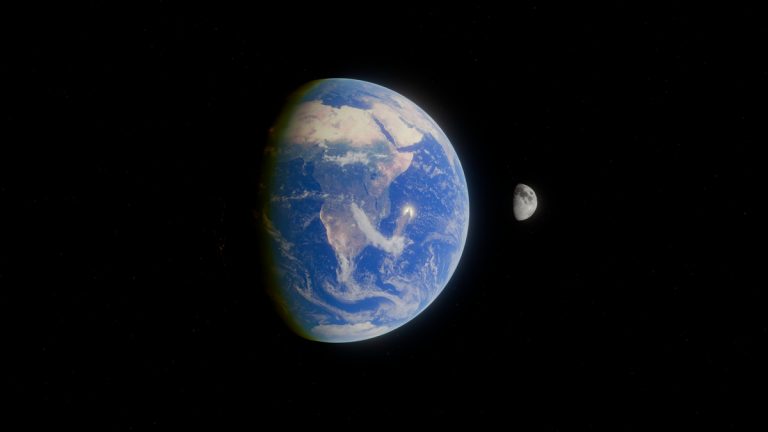
Earth's clouds and ocean viewed from space

How Do Satellites Observe the Ocean?

Satellites observe the ocean by measuring energy reflected or emitted from its surface, then converting those signals into maps of temperature, color, height, roughness and ice cover. They do not photograph everything in the same way. Each instrument is designed for a particular part of the electromagnetic spectrum. From orbit, a sensor can revisit vast…

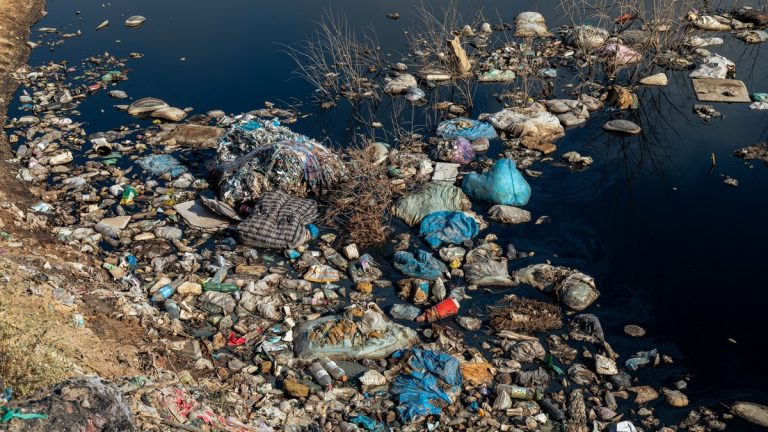
Plastic waste accumulated along a riverbank

What Is the Biggest Source of Ocean Pollution?

The biggest source of ocean pollution is not a single pipe, ship or offshore accident. It is pollution that begins on land and reaches the sea through runoff, rivers, drains and the atmosphere. Among those pathways, nonpoint source pollution is especially important because it gathers contaminants from many scattered places. NOAA estimates that about 80…

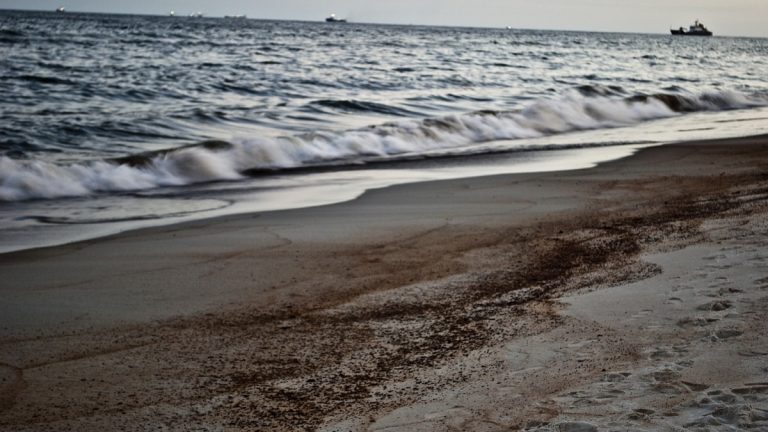
A dark oil slick along a sandy beach

How Do Oil Spills Affect Marine Life?

Oil spills harm marine life through physical coating and chemical exposure. Oil can destroy the insulating function of feathers or fur. Toxic components may enter an animal through breathing, feeding or contact with sensitive tissues. Habitat damage can continue after the visible slick has disappeared. The consequences vary with the product released and the location…