A study in One Earth led by researchers at King Abdullah University of Science and Technology has captured a troubling global picture of marine life during the first year when global temperatures temporarily exceeded 1.5°C above pre-industrial levels. Across the world’s oceans, the team documented 201 ecological impact events that included coral bleaching, harmful algal blooms, species mortality, habitat disruption and fisheries impacts.
The findings raise a simple question with global consequences. What happens to marine ecosystems when the ocean moves through an unprecedented period of warmth and stays under pressure across seasons? The KAUST-led team found that the disruption reached far beyond familiar summer heat extremes.
“This study provides a real-world snapshot of how marine ecosystems responded during an exceptional period of ocean warmth,” said Dr. Shannon Klein, lead author and research scientist at KAUST. The study offers one of the first global assessments of marine ecosystem impacts during a year tied to the 1.5°C benchmark identified in the Paris Agreement.
A global snapshot of ocean stress
The research team built a worldwide record of documented ecological impacts during an unusual period of ocean warming. To do that, they drew from peer-reviewed literature, monitoring programs, government agencies, environmental organizations, documented observations and news reports. The material spanned 17 languages, giving the assessment a unusually broad geographic reach.
Healthy marine ecosystems support biodiversity, fisheries, tourism, coastal livelihoods and economic development. When ocean temperatures rise, that support system can begin to fray. The KAUST-led assessment brings those impacts into one global view rather than treating each event as an isolated regional warning.
The study focused on observed ecological impacts rather than long-range forecasting. That distinction matters because the work captures what was already being reported across reefs, fisheries, coastlines and open-water systems during a historically warm period. It gives scientists and policymakers a starting point for tracking how marine life responds as the climate warms.
By compiling events across regions, the team could look for patterns in timing, ecosystem type and likely drivers. The final record included impacts that affected marine species, habitats, ecosystems and human uses of the ocean. Some events were highly visible, such as coral bleaching. Others involved shifts in fisheries or ecological disruption that can be harder to detect without consistent monitoring.
Heat impacts spread beyond summer
The most striking pattern was seasonal. Marine heat impacts are often associated with summer extremes, when seas reach their highest local temperatures. This assessment found disruption throughout the year, which suggests that ocean warming can place stress on marine life outside the usual window of heat-wave concern.
“We found evidence of ecological disruption across seasons,” said Klein. That point changes how researchers think about readiness. If damaging conditions appear in spring, autumn, or winter, then seasonal monitoring alone can miss important warning signs.
Many marine species are tuned to seasonal rhythms. Spawning, migration, feeding and larval development often depend on temperature cues. A warm period during an unexpected season can arrive at a vulnerable life stage, especially for organisms that have narrow temperature limits or limited ability to move.
The study’s year-round finding also matters for coastal managers. Coral reef surveys, fisheries checks, harmful algal bloom monitoring and habitat assessments often follow established seasonal schedules. The KAUST-led work indicates that year-round marine monitoring could become more important as warming pushes ecosystems into unfamiliar conditions.
Corals, fisheries, algae and habitats were hit
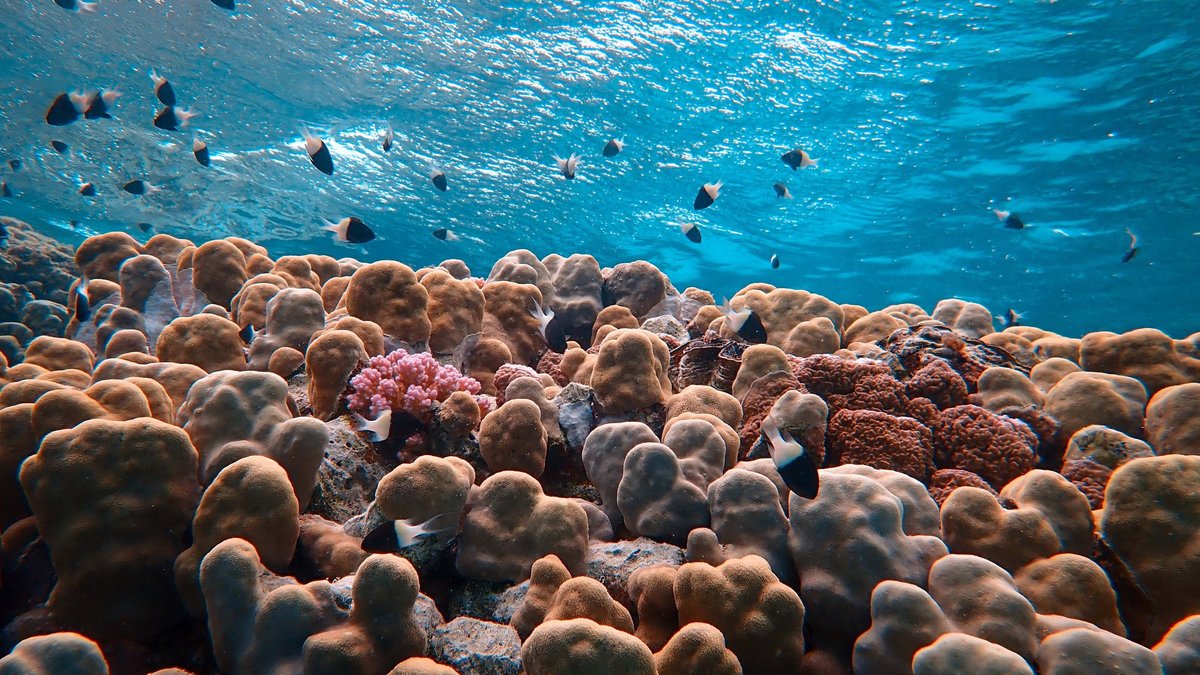
The documented impacts covered many parts of the marine world. Coral bleaching was one prominent signal. When seawater stays too warm, corals can lose the symbiotic algae that help feed them and give them color. Bleached corals can recover if conditions improve, although repeated or severe stress can lead to mortality.
The assessment also included harmful algal blooms, which can disrupt ecosystems and affect fisheries, tourism and public health. Warmer water can favor some bloom-forming organisms, especially when combined with other local conditions. These blooms can reduce water quality, produce toxins, or deplete oxygen as organic material breaks down.
Fisheries appeared among the documented impact categories as well. Fish and invertebrates respond to temperature through metabolism, movement, reproduction and survival. When heat pushes conditions beyond familiar ranges, species may shift location, suffer mortality, or become less available to coastal communities and fishing fleets.
Habitat disruption formed another part of the global record. Seagrasses, kelp forests, reefs and other habitats provide shelter and food for many species. Heat stress can weaken these structures directly or alter the species that maintain them. Once habitat quality declines, the effects can ripple through food webs.
The range of impacts shows why ocean warming is a biological issue as well as a physical climate signal. A warmer sea changes the living conditions for organisms and those biological changes can affect people who depend on the ocean for food, jobs and protection from coastal hazards.
Warm water drove nearly every recorded impact
The study found that 98% of documented impacts were associated with unusually warm sea temperatures. That percentage gives the assessment its central warning. During the first year at 1.5°C warming, unusually warm ocean conditions were linked to nearly every ecological impact in the global record.
Warm water can stress marine life in several ways. It can raise metabolic demand, reduce oxygen availability, disrupt reproduction and push organisms toward the limits of their tolerance. For stationary or slow-moving species, such as corals and seagrasses, escape may be impossible. Mobile animals can shift their ranges, although movement can create new pressures in receiving ecosystems.
The researchers also identified other drivers, including major storms and other extreme weather events. These pressures can interact with ocean warming. A heat-stressed reef may be more vulnerable when a storm arrives. A fishery already affected by shifting temperatures may face added strain from changes in currents, storms, or coastal conditions.
“Marine ecosystems are influenced by a combination of factors, including ocean warming and extreme weather events,” said Carlos Duarte, distinguished professor of marine science at KAUST and senior author of the study. His point reflects a key theme of the assessment. Marine ecosystems experience climate stress as a bundle of pressures that can overlap in time and space.
The study was a rapid global assessment, so the authors call for future validation as impacts continue to unfold. That cautious framing is important. The record helps reveal broad patterns from documented events and additional monitoring can sharpen the picture as more data become available.
Year-round monitoring becomes more urgent
The KAUST-led study highlights a practical gap in ocean preparedness. If ecological disruption occurs across seasons, monitoring systems need the reach and timing to detect it. That includes reefs, fisheries, coastal habitats, plankton blooms and regions where routine observations remain sparse.
Better monitoring can help scientists connect physical changes in the ocean with biological outcomes. Sea surface temperature records show where waters are unusually warm. Ecological surveys show how organisms respond. Together, those data can reveal which regions, species and habitats may face the greatest exposure as warming continues.
The research also carries regional importance for areas investing in marine conservation and the blue economy. KAUST noted the relevance for regions such as the Red Sea, where conservation planning depends on understanding how ocean warming and extreme events shape ecosystem resilience.
“Studies such as this help us understand those interactions at a global scale,” Duarte said. That global view can support preparedness, conservation and management decisions before damage becomes harder to reverse.
The 1.5°C threshold is often discussed as a climate target for the planet. This study shows how that benchmark can translate into living ocean systems. During an exceptionally warm year, marine ecosystems registered disruption across the globe and across the calendar. For the researchers, the next step is keeping watch as ocean conditions continue to change.