Oceans

RSS Feed

Ocean science news, explainers, and statistics covering marine environments, currents, climate, coasts, seafloor research, and the changing global ocean.

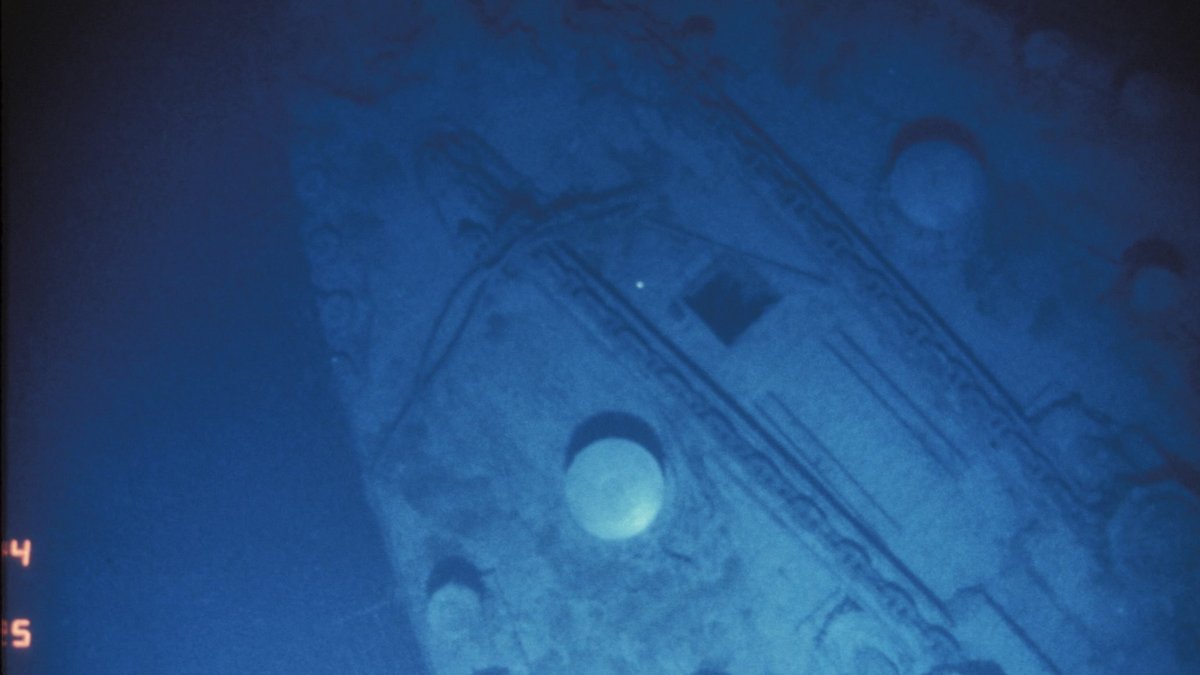
Port side of the Titanic bow, the two capstans and the port and starboard anchor chains are visible

In 1985 a camera sled followed Titanic’s debris trail 12,500 feet below the Atlantic after French sonar narrowed a vast search field and a single boiler seen before dawn on September 1 led the international team from Argo’s live video to the wreck

For 73 years, RMS Titanic lay beyond the reach of searchers in a cold, lightless part of the North Atlantic. Its final position was uncertain across a broad area of seafloor almost 12,500 feet below the surface. Before dawn on September 1, 1985, a tired crew aboard the research vessel Knorr saw the telltale form…
More

More in Oceans

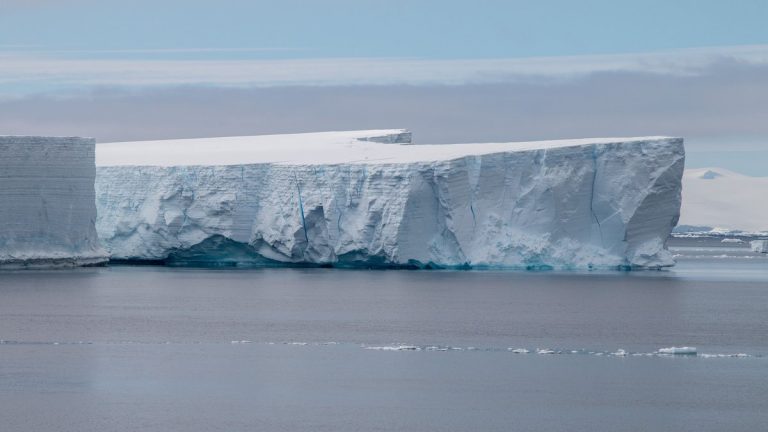
Massive iceberg floating in Antarctic waters

In 1997 hydrophones 2,000 miles apart heard a sound across the Pacific so powerful it became the Bloop and years of Antarctic recordings eventually linked its acoustic signature to immense icebergs cracking and breaking apart

NOAA’s account of the 1997 Bloop begins with a listening network that captured remote acoustic evidence. Researchers using underwater microphones in the southern Pacific caught an exceptionally strong low-frequency sound on instruments separated by more than 3,219 kilometers. The recording soon gained a memorable name. Years of Antarctic acoustic work later gave NOAA scientists a…

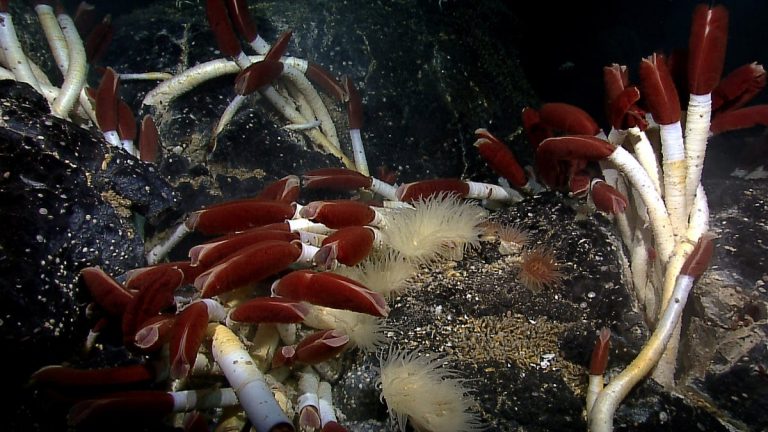
Tubeworms and other animals at a Galapagos Rift hydrothermal vent field

In 1977 scientists descended to the Galapagos Rift and found a deep-sea ecosystem living without sunlight, rewriting the rules of life on Earth

The 1977 Galápagos Hydrothermal Expedition sent geologists into a dark stretch of Pacific seafloor and revealed warm, mineral-rich water escaping from fresh lava. Around those openings, the team found dense communities of clams and other animals. The discovery showed that a productive food web could be powered by chemistry far below the reach of sunlight.…