Oceans

RSS Feed

Ocean science news, explainers, and statistics covering marine environments, currents, climate, coasts, seafloor research, and the changing global ocean.

Illuminated HMS Belfast with Tower Bridge in the backdrop at night in London

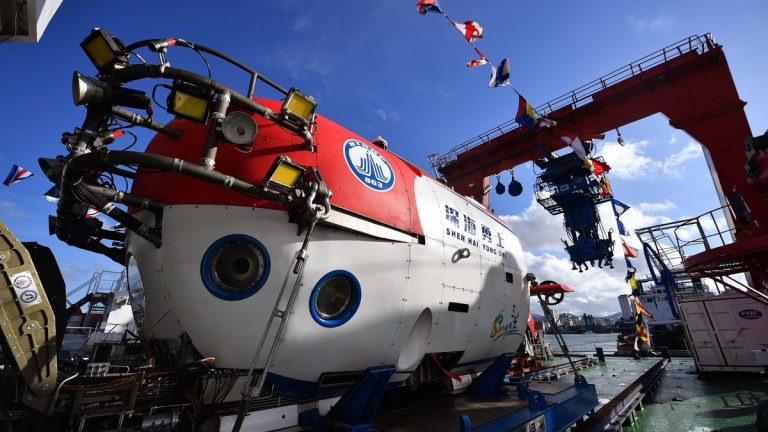
In 1872 HMS Challenger left Portsmouth with six scientists and 243 crew members, traveled nearly 127,000 kilometers over almost four years, made 492 depth soundings and returned with a global record that helped establish modern oceanography

For nearly four years, HMS Challenger carried a small scientific team through waters that had rarely been measured beyond the surface. The converted Royal Navy corvette left Portsmouth on December 21, 1872, with six scientists and a crew of 243. By its return in 1876, the voyage had gathered observations from across the Atlantic, Indian…

More

More in Oceans

Close-up shot of swirling ocean waves and white foam, showing natural movement

Ocean gyres: Earth’s slow-moving rings that organize the sea

Ocean gyres trace some of the largest moving patterns on Earth. From space, they resemble broad loops drawn across entire ocean basins. A bottle, a drifting buoy, or a patch of warm water can spend months to years following part of one of these routes. The motion is steady enough to shape climate, steer marine…

Aerial drone photo of huge container tanker ship carrying truck size colourful containers in deep blue open ocean sea

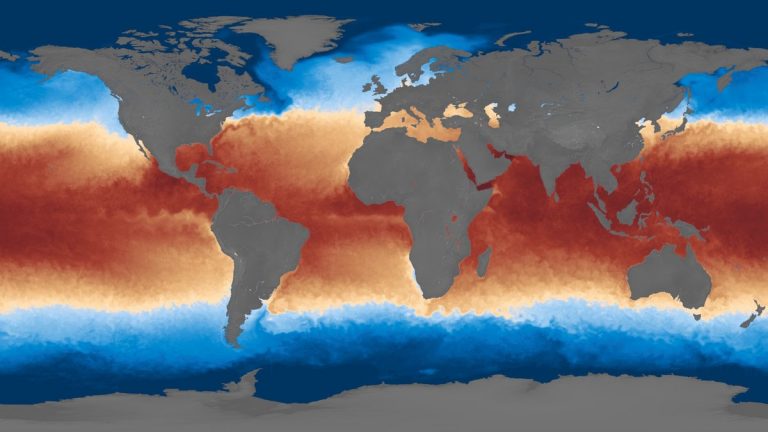
Ocean currents move heat, life and weather around Earth

The ocean has invisible pathways that cross whole basins, curl along coasts and dive to the seafloor. They carry warm water away from the tropics and return colder water toward lower latitudes. This continuous circulation helps set regional climate, supplies surface waters with nutrients and changes the conditions faced by marine life and people at…

Portrait of young Asia lady volunteers help to keep nature clean up holding plastic bottle waste and black garbage bags on the beach. Concept about environmental conservation pollu

How much plastic is in the ocean?

Plastic pollution reaches far beyond a bottle floating near shore. Pieces drift across open water, settle into seafloor mud, wash onto beaches and break into fragments smaller than a grain of rice. That spread makes a single global total difficult to calculate. The most careful answer is a range of measurements for different parts of…