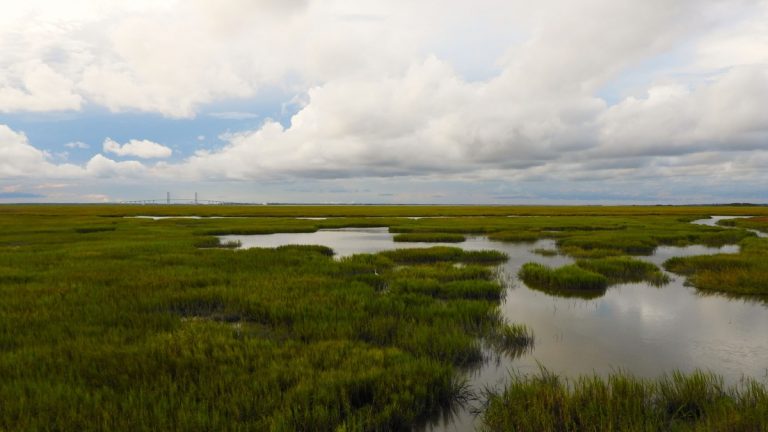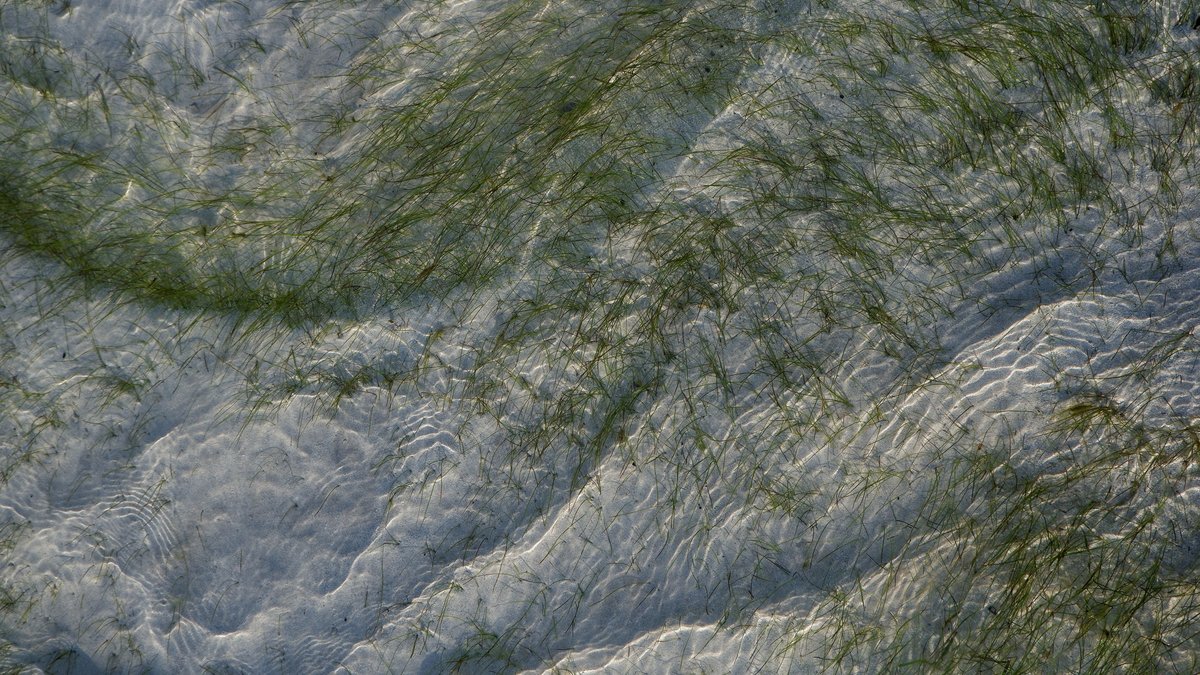
To identify plants in the ocean, begin by asking whether an organism has the structures of a flowering plant. Roots and stems are important clues. Leaves, flowers and seeds point to true flowering plants such as seagrasses. The same process places mangroves and salt-marsh grasses among coastal plants. Seaweed and drifting phytoplankton follow a different branch because they are algae. Together, these photosynthetic organisms capture energy and provide food. They also shape places where marine animals live.
The distinction matters because the word plant is often used loosely at the beach. A Smithsonian overview describes seagrasses as flowering plants with roots and stems. They also have leaves, flowers and seeds. Mangroves and marsh plants join them at coasts. Algae share the ability to use sunlight, yet their bodies and evolutionary history follow a different path.
True plants take root in salt water
Flowering plants in the ocean have the same broad toolkit as plants on land. Their cells are organized into tissues that move water and nutrients and they grow from seeds. Many also spread through underground stems. Their roots anchor them in bottom sediment or coastal soil, allowing them to hold their place as tides and waves move around them.
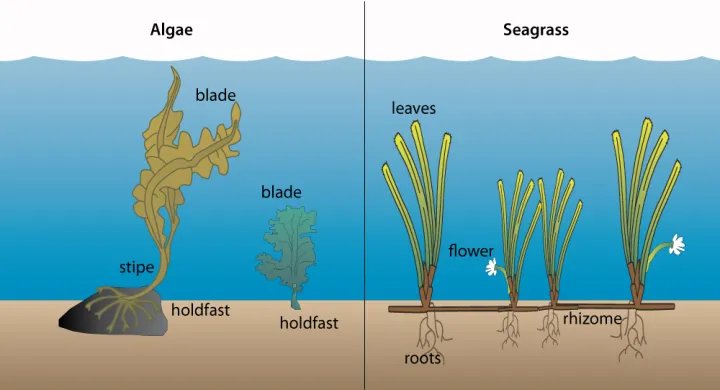
Seagrasses live fully submerged in salty or brackish coastal water. Long blades of eelgrass, turtle grass, or other species rise from the seafloor, while roots and rhizomes spread below it. Smithsonian Ocean reports about 72 seagrass species. These species evolved from flowering plants whose ancestors returned to the sea, so their flowers release pollen and their seeds develop in water.
One meadow can expand in two ways. Clonal growth occurs when rhizomes extend through the sediment and send up connected new shoots. Flowers provide a second route. Water carries pollen to female flowers and seeds can settle elsewhere to begin new plants. The balance between these routes differs by species and setting. It also helps explain why damage to a slow-growing meadow may last for years, even when nearby shoots remain alive. Recovery depends on light, suitable sediment and surviving plants or arriving seeds.
Algae have a much wider variety of body plans. A large alga can grip a rock with a holdfast, while a seagrass has roots that take up materials and help stabilize sediment. In biological classification, algae are grouped separately from flowering plants. That clear distinction helps explain why a green underwater landscape may contain both rooted plants and attached or drifting algae.
Seagrasses form underwater meadows
A healthy seagrass bed can look like a meadow beneath the waves. Its leaf canopy slows moving water and creates cover near the seafloor. Eelgrass thrives in some cooler regions, while tropical shallows can hold turtle grass and other species. Each kind needs enough light to reach its leaves, which is why most meadows occupy relatively shallow water.
Life gathers in the spaces between the blades. Small crustaceans, snails, young fish and worms can shelter there. Larger visitors include fish, sea turtles, manatees and dugongs in the regions where those animals occur. The leaves themselves feed some grazers and tiny organisms living on leaf surfaces add more food to the habitat.
NOAA’s description of seagrass meadows also highlights another job. Dense blades slow water, while roots help hold the seafloor in place. By trapping suspended sediment, a meadow can help keep nearby water clearer. Clearer water lets more light reach the plants, supporting the meadow’s growth.
Mangroves and marshes grow at the shore
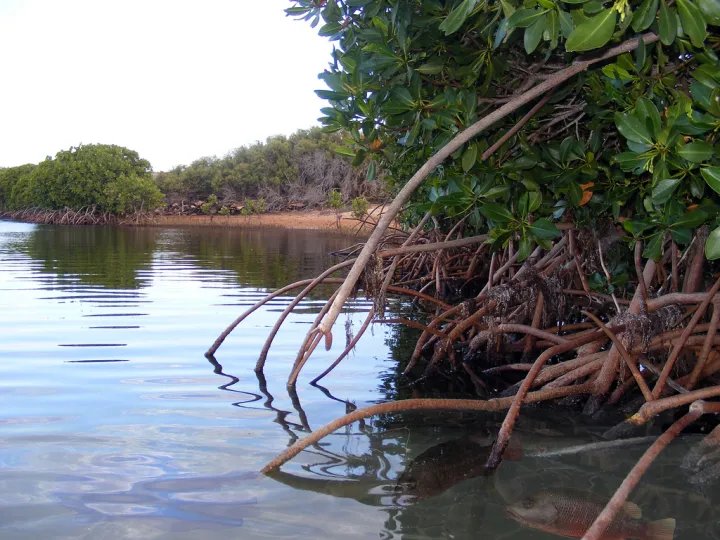
Mangroves are salt-tolerant trees and shrubs that grow along many tropical and subtropical coasts. Their roots stand in tidal mud or shallow water, where they help create a tangled shoreline habitat. Fish and invertebrates can find shelter among submerged roots and fallen leaves become food for detritus-feeding organisms.
Farther from the tropics, a coast may support a salt marsh instead. Salt-marsh plants, including smooth cordgrass in many Atlantic and Gulf Coast marshes of North America, grow in soils that flood and drain with the tides. Smithsonian Ocean describes Spartina as a plant that endures twice-daily submergence and exposure. Its underground stems help the grass spread through a marsh.
These coastal plants make the boundary between land and sea more complex and productive. Roots and stems catch sediment. Leaf litter and dead blades feed small organisms. The resulting habitat can shelter young fish and crabs before they move into more open water. Mangroves, marshes and seagrasses often occur near one another. Each grows under its own mix of salinity and soil as well as waves and tidal exposure.
Seaweed and phytoplankton belong to algae
Marine algae are photosynthetic organisms with forms that range from single cells to giant kelp. Seaweed is a common name for larger visible algae, including brown, red and green forms. NOAA’s explanation of seaweed uses the term for many marine algae. Seaweed forests and floating rafts can provide food and shelter even though their algae lack the roots, flowers and seeds of seagrasses.
At the microscopic scale, phytoplankton drift in the upper ocean where sunlight penetrates. NOAA identifies them as microscopic marine algae and a foundation for several aquatic food webs. The group includes diatoms and dinoflagellates, which need light and dissolved nutrients to grow. A NOAA primer on phytoplankton explains why something too small to see individually can support so much ocean life.
Algae can also live directly on seagrass leaves. Those residents are called epiphytes and they create a miniature community on the plant’s surface. A modest covering can add food for grazers. Heavy algae growth can shade a leaf, especially when nutrient-rich runoff feeds fast growth in the water. The plant and the algae therefore share the habitat while responding differently to changing conditions.
Sunlight sets the ocean garden’s limits
Photosynthesis requires light, so the richest growth of seagrasses and algae occurs where sunlight reaches them. Seagrasses depend on clear shallow water because their roots keep them on the bottom. Phytoplankton float near the sunlit surface and many large seaweeds attach to rocks within the lighted zone. Deep ocean habitats receive too little light for these organisms to grow in the same way.
Water clarity can change the size and health of a plant habitat. Muddy runoff, stirred sediment and a dense plankton bloom all reduce the light reaching a seagrass bed. Nutrients are equally important, although more nutrients do not always help. A large bloom can shade the plants beneath it. This dependence on light links conditions on land, in rivers and along the coast to life on the seafloor.
These habitats protect coasts and wildlife
Rooted coastal plants and algae-rich habitats provide more than scenery. Seagrass roots and marsh stems help reduce erosion by holding sediment. Mangroves buffer wave energy along some sheltered shorelines. Plant material can also become buried in wet coastal soils and sediments, storing carbon in a process often called blue carbon. The scale of storage depends on the habitat, location and how long its sediments remain undisturbed.
These benefits can be damaged by polluted runoff and dredging. Anchors, propellers and coastal development also cause harm. Disease and rising water temperatures add further pressure. Seagrass is particularly vulnerable when water becomes cloudy, since the leaves need light. NOAA notes that stormwater pollution and boat scarring can harm meadows and that warmer water and stronger storms add stress.
Protection starts with the conditions that allow plants and algae to grow. Cleaner runoff supports light in coastal waters. Careful boating can avoid tearing channels through meadows. Restoring a seagrass bed or a marsh also works best after the cause of its original loss has been addressed. These efforts keep a living foundation in place for the animals that depend on ocean plant habitats.