The ocean moves heat, salt, sediment and living things through one immense body of water. Every current, coral reef, deep canyon and coastal beach poses a different scientific question. An oceanographer studies that changing system through research that can trace a storm-driven wave, test seawater chemistry, map an undersea volcano, or follow the health of a marine food web.
These scientists study the global ocean as a connected system. Heat and salt move through it alongside carbon, sediment and living things. These movements affect coasts and climate. NOAA’s oceanography overview groups this broad work into four closely linked fields: biological, chemical, geological and physical oceanography.
Four fields, one ocean
Biological oceanography examines life in salt water, from microscopic plankton to whales and from mangrove roots to deep-sea communities. A scientist may count organisms, study how a species uses habitat, or test how a changing condition affects an ecosystem. The work overlaps with marine biology, ecology, fisheries science and microbiology.
Chemical oceanography follows the substances dissolved in seawater and the reactions that change them. Researchers measure nutrients, oxygen and carbon. They also track salts and other chemical signals. Those measurements can show how water masses mix, how the ocean exchanges gases with the air, or how chemicals affect marine organisms.
The seafloor is the focus of geological oceanography. Marine geologists map ridges, canyons, trenches and volcanic features. They also collect rocks and sediments that preserve evidence of plate movement, eruptions and earlier ocean conditions. A sediment core can hold layered records that help researchers reconstruct changes through time.
Physical oceanography investigates motion and energy in the sea. Currents, tides and waves belong here. So do eddies, coastal erosion and exchanges between the ocean and atmosphere. Physical oceanographers use observations and models to study how water moves and how that movement carries heat, salt, organisms and particles.
The four fields meet in real ocean problems. A changing current can alter the temperature and nutrient supply that marine organisms experience. Sediment carried from land can change water chemistry and settle on seafloor habitat. Oceanographers specialize while sharing enough common ground to connect these pieces into a stronger explanation.
What the workday looks like
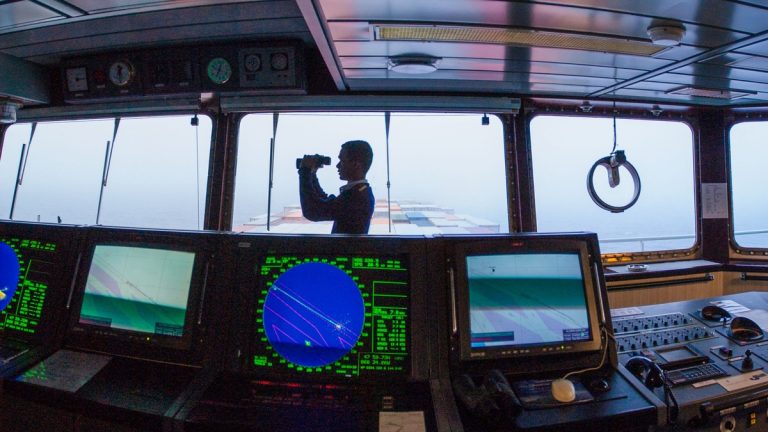
A research question shapes the day. Before a cruise, an oceanographer may help plan a route and choose sampling sites. They also prepare instruments and decide which measurements will answer the question. At sea, schedules often follow weather, ship operations and the timing of a tide or a remotely operated vehicle dive.
Collecting information can mean lowering an instrument through the water, taking a sample from a bottle, photographing the seafloor, or recording observations from shore. Field observations are only the start. Samples may go to a laboratory for chemical, biological, or geological analysis, while digital records move into carefully organized datasets.
Much of the work happens on land. Ocean scientists clean data and check for errors. They make maps and graphs, write computer code, compare results with earlier studies and prepare papers or reports. NOAA Ocean Exploration notes that ocean careers often include substantial computer work even when a project also involves time on a ship.
A single project may take months or years. Researchers return to the same site to see how conditions change across seasons, or combine new measurements with older records. Meetings with collaborators are part of the process. A study may need expertise in instruments and laboratory methods. Computer models or local coastal conditions can require other specialists.
Tools for studying a moving ocean
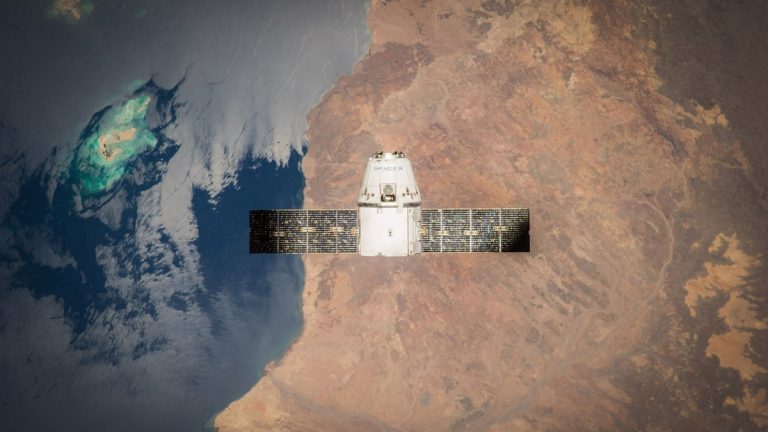
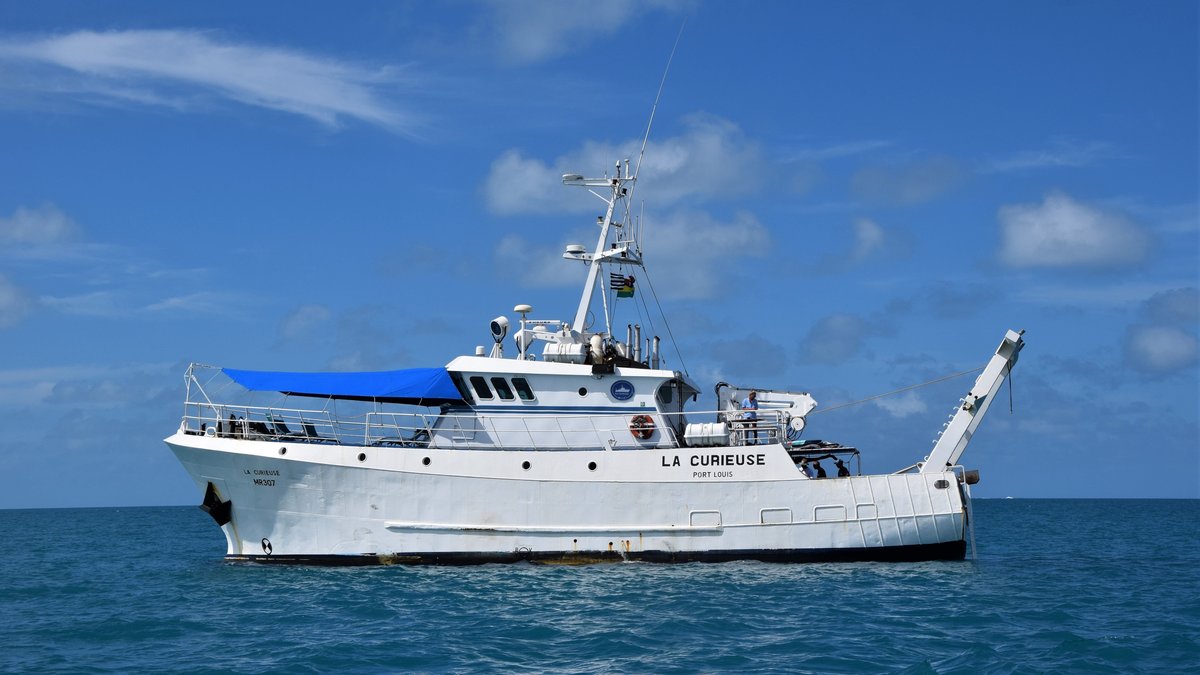
Oceanographers use tools suited to the place and question. Research vessels carry people and equipment to offshore sites. Moorings can keep instruments in one location for months, while drifting instruments travel with currents. Satellites provide wide views of features such as sea-surface temperature and ocean color.
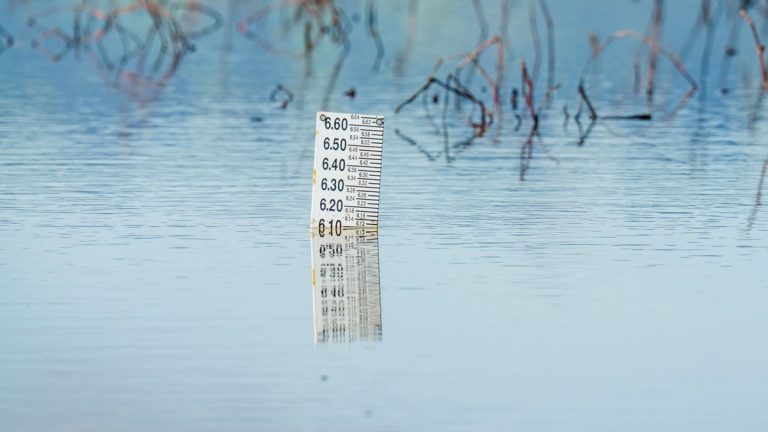
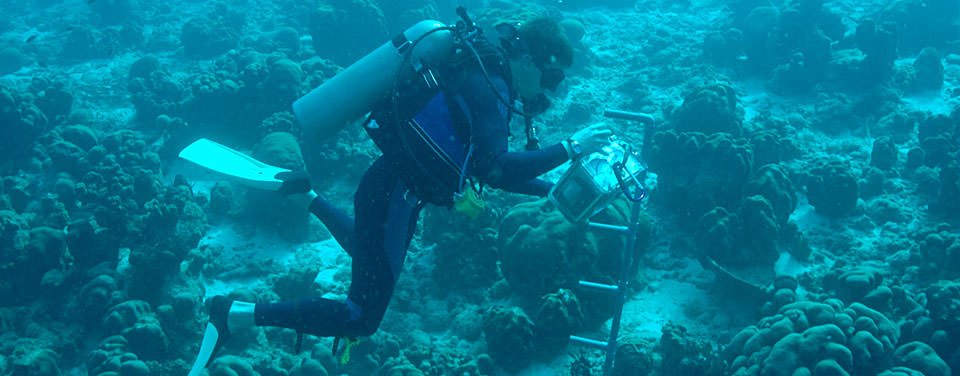
In the water, sensors can measure temperature and saltiness. Other sensors track pressure, oxygen or light at different depths. Instruments can also measure currents. Water samplers bring a portion of the ocean into the lab. Nets collect tiny drifting organisms and cameras reveal animals and habitats that may be difficult to sample directly. Sound-based instruments can map seafloor shape and detect features in the water column.
Computers bring those observations together. Ocean data can come from a single beach survey or from many instruments spread across an ocean basin. Researchers use statistics, maps and numerical models to look for patterns and test ideas. NOAA describes underwater robots, sonar, environmental DNA and satellites as tools that help exploration teams bring back useful data.
Tools do not replace careful judgment. Instruments need calibration, samples need clear labels and results need to be checked against conditions such as changing weather or a strong current. Good ocean science depends on knowing what a measurement represents and what it cannot show by itself.
Education for ocean science
Many oceanographers begin with a strong base in math and science. Biology, chemistry and physics all help. Earth science, statistics and computer programming add useful skills because the ocean combines ideas from each field. Writing and communication matter too, since scientists must explain methods and results to colleagues, decision-makers and the public.
At college, students may major in oceanography or marine science. Biology, chemistry and geology offer other routes. Physics, environmental science or a related subject can also provide a foundation. The best route depends on the questions that interest them. A student drawn to currents may take more physics and mathematics, while someone focused on reefs may study ecology, genetics and chemistry.
For research positions, an advanced degree is common. NOAA Fisheries says most research oceanographers have a master’s degree or Ph.D. in oceanography or marine resource management. Geology and related fields are also common. Recommended coursework includes oceanography, earth science and geology. Physics, meteorology and chemistry are useful too. Statistics and marine resource management complete the agency’s broad list.
Experience strengthens classroom learning. Internships, summer research, laboratory work and field courses let students practice collecting data and working with a team. NOAA’s career and education resources list academic programs, technical training and at-sea opportunities for people exploring ocean science and mapping.
Where oceanographers build careers
Universities and oceanographic institutions employ oceanographers to lead research, teach students and maintain long-term observing programs. Government agencies hire scientists to study weather and climate alongside coastal hazards. Their work also covers seafloor mapping, fisheries and pollution. Some study protected marine areas. Their results can inform monitoring, navigation, conservation and public planning.
Some oceanographers work in private companies that develop instruments, process environmental data, map coastal areas, or support offshore engineering and marine surveys. Others work for nonprofits, aquariums, museums, or science communication teams. The setting changes the daily tasks, while the core habits remain similar: ask a clear question, collect reliable evidence and explain what the evidence means.
Career paths also include people whose work makes science possible. Engineers keep vehicles and sensors operating. Technicians prepare equipment and samples. Data specialists manage large records and hydrographers map water depth and seafloor features. NOAA’s ocean exploration careers page describes work across science and engineering. It also covers vessel operations, education and data science.
Questions that need a team
Ocean problems rarely stay inside one specialty. A harmful algal bloom may involve biology and water chemistry. Currents, weather and coastal geography also shape it. A team can combine those perspectives to learn where the bloom began, how it moved and which conditions helped it grow.
Research teams often include scientists and mariners. Engineers, technicians and data experts provide other essential skills. They may work aboard a ship, in a coastal lab, at a university, or in an office far from the water. NOAA Fisheries describes oceanographers as scientists who study seawater chemistry, seafloor geology and the movements of tides and ocean water. The range of those questions is what makes oceanography a field where curiosity can lead in many directions.
Oceanography fields and careers
Continue with geological oceanography, the difference between marine biology and oceanography.
More oceanography explainers
Continue with how much of the ocean remains unexplored, the Pacific Ocean food web, the depth of the Cayman Trench.