A study in Global Change Biology led by Woods Hole Oceanographic Institution researchers reports that industrial fisheries have been taking large midwater fishes from the ocean’s twilight zone for decades. The work brings attention to animals that sit between tiny deep-sea fish and famous predators such as tuna. They are regularly caught by commercial gear, yet many remain scarce in the surveys used to describe open-ocean ecosystems.
The authors examined long-running records from the Hawai’i fleet and published accounts from elsewhere. Their message is unusually direct: fishing pressure has already reached part of the sea that many discussions have treated as lightly used. The finding matters because these fish feed larger predators, connect different depths and may influence ocean processes that scientists are still working to measure.
Fishing has reached the twilight zone
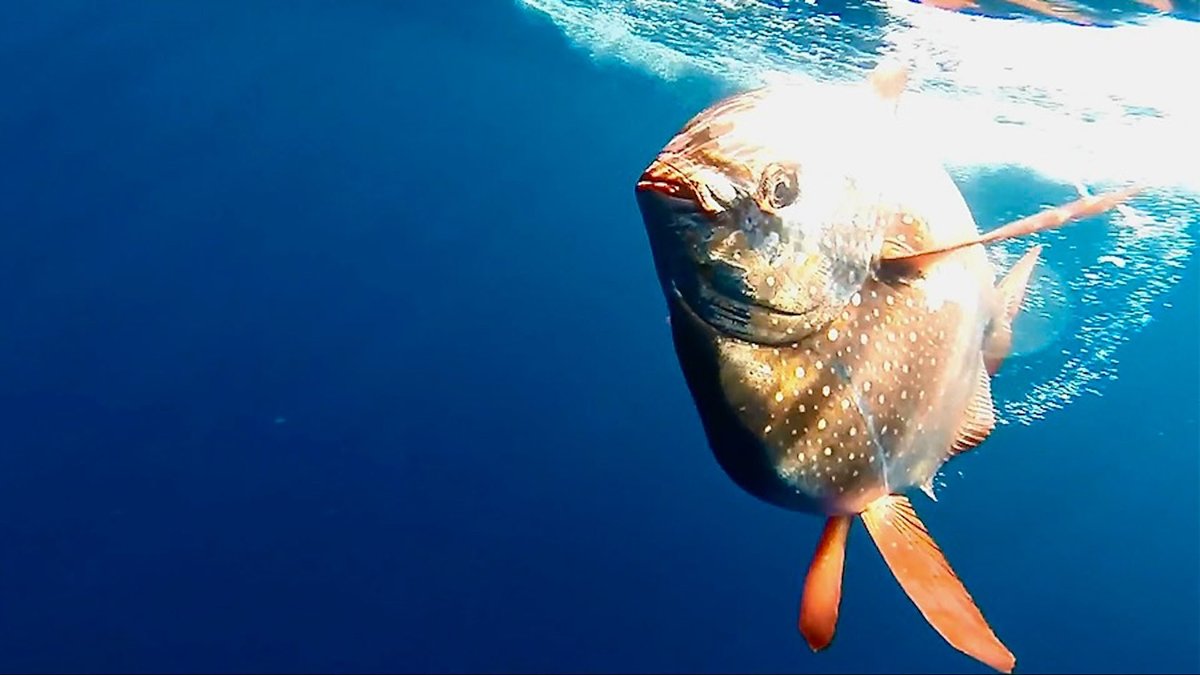
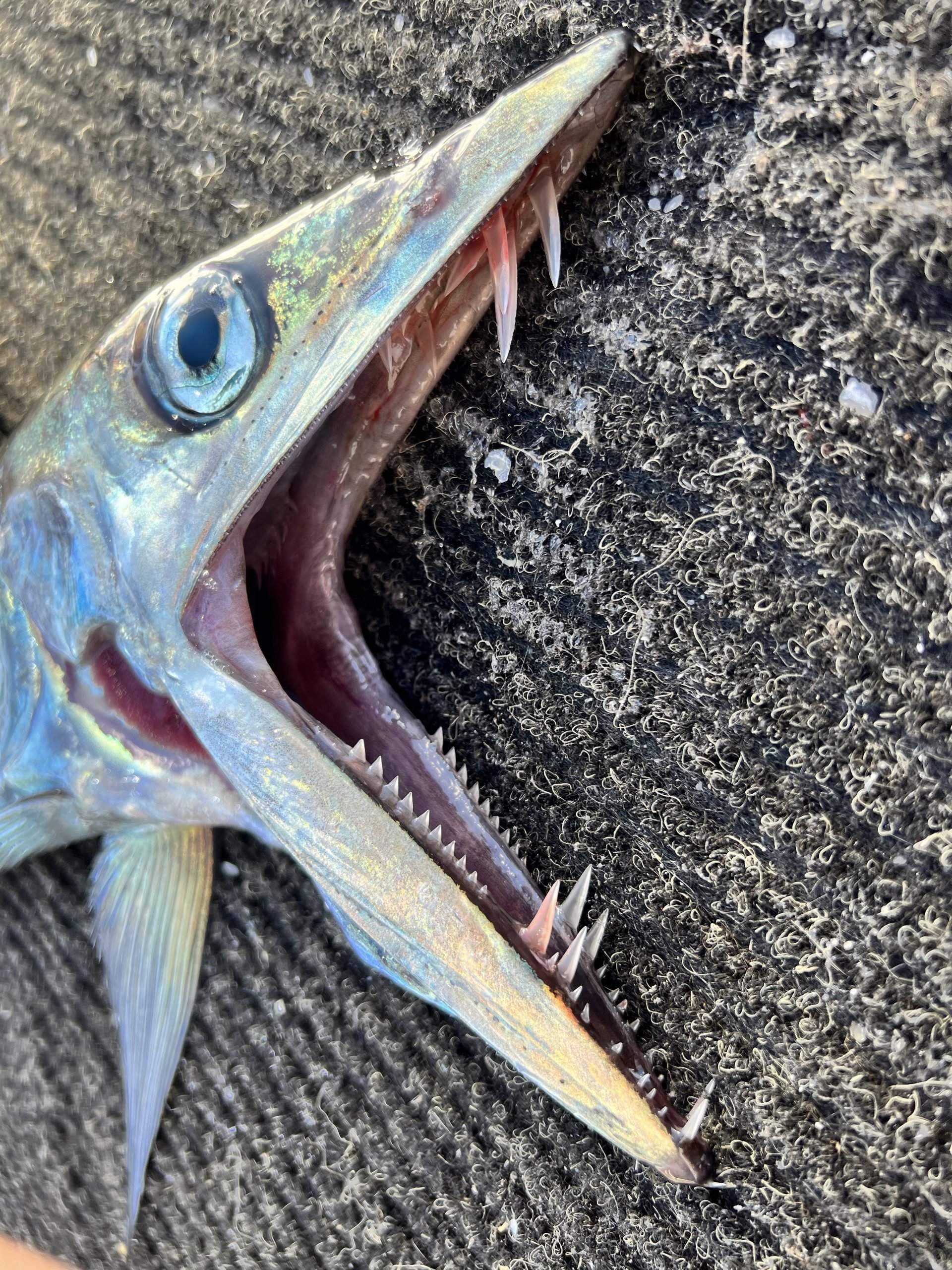
The mesopelagic zone lies roughly 200 to 1,000 meters, or about 650 to 3,300 feet, below the surface. Sunlight fades quickly there, though the water holds an enormous variety of life. Many familiar research pictures of this zone focus on small fish caught in fine nets. The WHOI team focused on larger fishes that live there or move through it, including pomfrets, snake mackerels, escolar, oilfish, barracudinas and lancetfish.
The researchers call this collection of larger mid-trophic fishes the dark web. In the study, the label describes an overlooked part of the food web. These species occupy middle positions between smaller prey and top predators. Traditional sampling can miss them because of their size, behavior, or distribution, while commercial hooks encounter them during ordinary fishing operations.
That difference in visibility has consequences. Ecological and economic models of the open ocean often have little information about these fishes, according to the paper. Yet a fish that is poorly represented in a research net can still be abundant in a vessel’s catch. The study argues that catch data deserve more attention when scientists assess how heavily the midwater ecosystem is being used.
Depth adds to the challenge. A research cruise samples only a small slice of a large water column and gear designed for small fish does not provide a full census of larger ones. The WHOI announcement says commercial fisheries catch these animals regularly. Bringing fishing observations together with dedicated surveys could give a more realistic picture of the twilight zone.
The catch records tell a long story
The team drew on decades of catch records from the Hawai’i longline fishery, which mainly targets tuna and swordfish, along with published examples from fisheries around the world. NOAA’s Hawaii Longline Logbook records operations by Hawaii-based vessels from 1990 onward in the central Pacific. Those records offered a rare long view of changes in what came aboard as fishing methods, markets and effort changed.
Hawai’i longline fishing began more than a century ago and expanded sharply in the 1990s, the WHOI release says. As operators used more effective techniques and directed effort deeper, the catch shifted strongly toward midwater species. Pomfrets and opahs gained value, while other animals had little market value. In some fisheries examined by the authors, catches of these midwater fishes exceeded catches of traditional target species such as tuna and swordfish.
The paper does not present a single worldwide total for dark-web fishing. Instead, it combines the Hawai’i case with published evidence of declining abundance, smaller fish and incomplete reporting in other places. That approach is important because many fisheries record target catches far more carefully than incidental catches. The authors describe under-reporting as a barrier to judging the full scale of pressure.
Long time series are especially useful when a fishery changes gradually. A shift in the mix of animals on a line can reflect where hooks are fishing, which species are encountered and which catches are worth keeping. It does not by itself settle every cause. The study uses those records to show that large midwater fishes have been part of industrial catch for a long time, then compares that pattern with documented cases beyond Hawai’i.
Why discards matter
Some fish brought up on hooks are kept and sold. Others are released because buyers do not want them. Lancetfish are a striking example in the WHOI account. They can be caught in large numbers and discarded even though they belong to the same broad midwater community the study seeks to bring into view.
Release does not always mean survival. The WHOI announcement cites discard studies involving dark-web midwater fishes that estimated post-release mortality of roughly 80 to 100 percent. That range applies to the cited studies and their conditions, rather than to every midwater species or every fishery. Capture stress and injury can leave released fish unable to recover after they go back overboard.
Simon Thorrold, a WHOI fish ecologist and study co-author, said those losses can be easy to overlook when the animals have little sale value. For managers, a discarded fish still belongs in the record of fishing’s ecological footprint. NOAA describes the Hawai’i deep-set longline fishery as a tuna-targeting operation that uses a main line below the surface with branch lines attached. Catch reporting and observation can help reveal which non-target species are also affected by that gear.
That accounting is also a practical issue for science. Landing records can show what was sold, while observer notes and species-level reporting can reveal a wider catch. The researchers argue that an ecosystem view needs both kinds of information. Otherwise, midwater animals that are neither a target nor a valuable product can disappear from the numbers used to evaluate fishing pressure.
A hidden role in the ocean system
Midwater fish supply food to larger ocean animals, including commercially valuable tunas and swordfish. Their place in the food web gives them an indirect connection to fishing communities as well as marine predators. Camrin Braun, a WHOI oceanographer and co-author, said, “We know surprisingly little about these fishes despite their likely importance to ocean ecosystems.”
Some twilight-zone animals also make daily vertical trips. They rise toward shallower water to feed, then return to deeper water. Through feeding, waste and death, such movements can help carry carbon from surface waters downward. Scientists call this part of the biological carbon pump. The study identifies ocean carbon storage as an area where the effects of fishing pressure remain unquantified, so it does not claim that the documented catches have already changed carbon storage.
That caution matters. Carbon moves through many living and physical pathways in the sea and the contribution of individual fish groups can vary by species and place. The research identifies a missing piece in current knowledge rather than calculating a carbon loss from the fishery. Future measurements would need to connect catch data with animal behavior, biomass and the movement of organic material through the water column.
Better knowledge of the fish themselves comes first. Researchers need information on species identities, population sizes, movements, survival after release and relationships with predators. The study also points to a broader modeling problem: larger midwater fishes have often been left out of descriptions of open-ocean food webs. Filling that gap could change how scientists estimate both ecosystem links and the consequences of removing fish.
Better records could guide management
The authors call for more complete catch reporting and for these species to be included in fisheries-management frameworks. Such work could build on systems that already track longline operations. NOAA says federal longline logbooks are filed by operators fishing on the high seas and in U.S. Pacific waters, while detailed data have access limits to protect confidential business information. Summarized data and stronger species reporting could still improve the public ecological picture.
Management also has to account for uncertainty. The authors’ analysis shows substantial fishing activity and points to serious blind spots, but many basic facts about the dark web remain unresolved. Which species are most vulnerable? How large are their populations? Which discarded animals survive under different gear and handling conditions? Those questions shape whether fishing rules can match conditions in the twilight zone.
Martin Arostegui, the study’s lead author and a WHOI research associate, said the work highlights “how urgently we need better monitoring and management.” The practical aim is a fuller accounting of what longlines catch, retain and discard. With that information, managers can assess midwater fisheries as connected ecosystems rather than as target species alone.