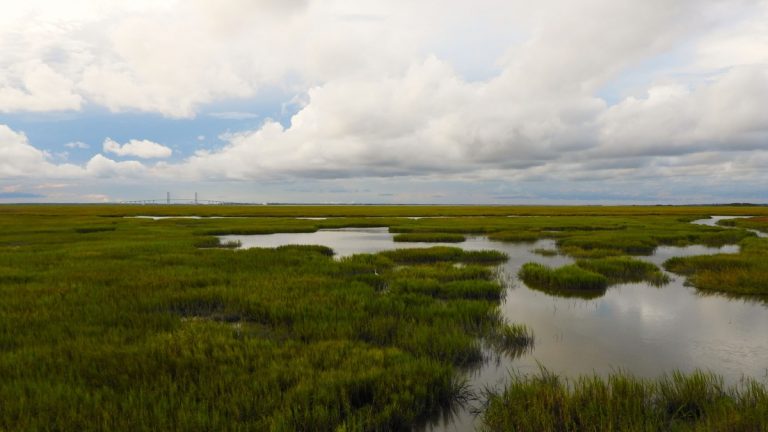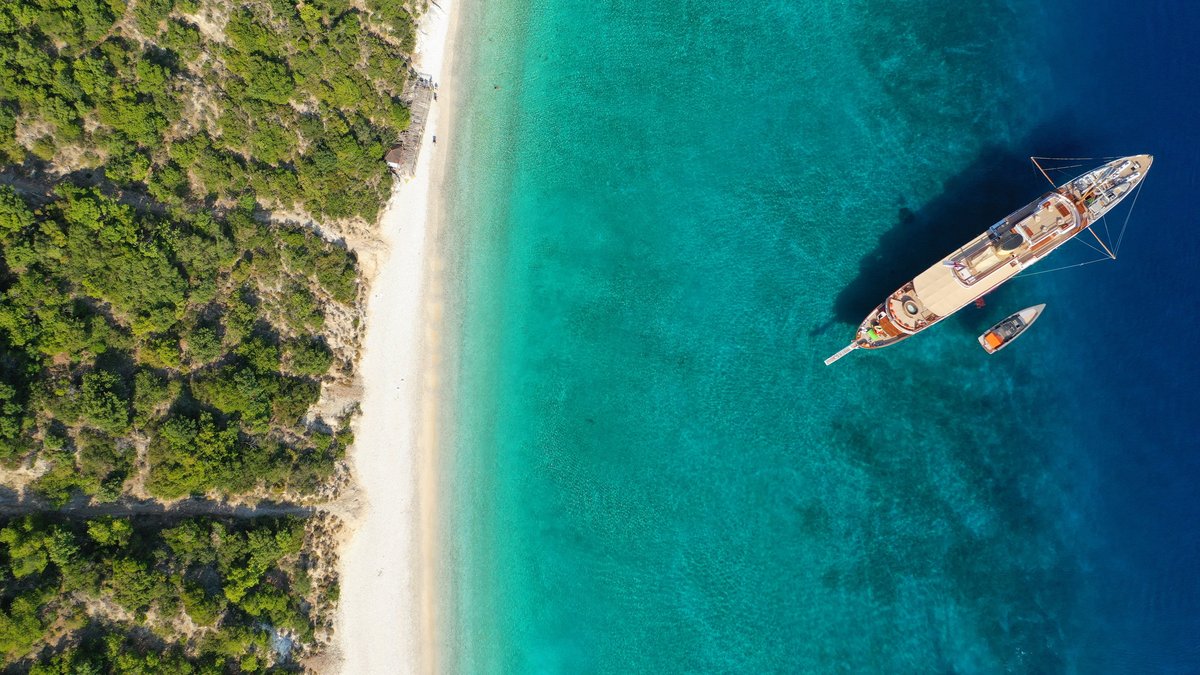
At the edge of every wave, a busy animal community is easy to miss. Many beach residents are small, burrow quickly, or emerge after dark. Others arrive to feed, nest, rest, or pass through during migration. A beach is therefore more than open sand. It is a changing habitat shaped by tides, wind, salt and moving grains.
The U.S. Geological Survey includes sandy beaches among coastal ecosystems that support wildlife. Which animals appear depends on the coast. Wave force, sand size and tides all matter. Nearby dunes and the presence of rocks shape the community too. The creatures living below the sand differ from those clinging to a rocky shore or briefly visiting the beach.
Beach animals form a food web from tiny worms and clams to crabs, birds and fish. The best way to spot that web is to look for clues, such as a small burrow above the tide line, a flock probing wet sand, or a shell opening and closing in the swash. Each clue belongs to an animal adapted to a very particular part of the shore.
Animals beneath the sand and surf
On a sandy beach, much of the permanent life is hidden. The upper shore can hold ghost crabs, which dig burrows in the sand and often forage after sunset. They are adapted for life on land near the sea, though they need a coastal setting to complete their life cycle. A hole with fresh pellets of sand may mark a crab’s home, so it is best to leave it undisturbed.
Closer to the water, the swash zone is continually covered and uncovered by waves. Here, mole crabs, coquina clams and other small invertebrates can burrow into loose sand. NOAA educational material describes ghost crabs on higher beach areas and clams and mole crabs lower down. Their rapid digging helps them cope with the shifting bottom and with waves that can rearrange the shore in seconds. A receding wave may briefly reveal them. The next incoming wave can cover the same patch of sand, which is why quick movement is such a useful adaptation.
Worms, tiny crustaceans and other animals also live among wet grains where people may see little more than a smooth surface. These animals feed on organic material carried by the water or filtered from it. They are prey for shorebirds and fishes. USGS describes sandy-beach wildlife as an intricate interconnected network of invertebrate prey, competitors and predators. The NOAA marine-ecology material shows why a beach that looks bare can still support a layered community below its surface.
Life along rocky intertidal edges
Rocky shores support a different cast. The intertidal zone lies between the high- and low-tide marks. Its residents must tolerate alternating periods under seawater and in open air. Waves also create a strong physical challenge, so many animals grip the rock, tuck into cracks, or keep a shell closed while the tide is out.
Barnacles, mussels, limpets and shore crabs can occupy different heights on a rocky coast. Sea anemones, sea stars, snails and chitons add to the community. The exact mix changes with geography and wave exposure. USGS describes hardy organisms such as barnacles, turban snails and shore crabs higher on the shore. Lower areas remain underwater longer and can support sea stars, anemones and sea urchins. This vertical pattern reflects how long each species can tolerate drying, heating and fresh rainwater. It also reflects the force of breaking waves.
Tide pools are small windows into that world and living homes for their residents. Water temperature and salt level can change quickly in a shallow pool. Lifting an animal, turning over rocks, or moving a shell can cause harm and removes it from the spot where it is coping with those conditions. Watch quietly and leave every animal where it is.
Birds and dune animals that use beaches
Many familiar beach animals visit the wet sand to feed, rest, migrate, or breed. Shorebirds use the waterline as a feeding ground, picking up small invertebrates. Gulls, terns and sandpipers may rest there or migrate through. Plovers and other species use the same habitat. Their use of a beach can be brief, seasonal, or tied to breeding, depending on the species and location.
Some birds nest directly on open sand. The western snowy plover, for example, is one of the species highlighted in USGS work on California sandy-beach food webs. On Atlantic beaches, piping plovers often use sparsely vegetated sand and nearby dune areas. Their eggs and chicks blend into the beach, which makes them hard for people to see and especially vulnerable to disturbance. A bird that calls, circles, or flies low nearby may be guarding a nest or young, so the safest response is to back away.
Dunes add another habitat beside the beach. In a few parts of the southeastern United States, beach mice live in coastal dune systems, where vegetation and shelter differ from the wave-washed shore. Their habitat is part of the wider beach landscape beside the surf. USGS notes that beach mice, migratory shorebirds and sea turtles depend on coastal habitats during at least one stage of life.
People can give nesting birds space by obeying signs and staying outside roped-off areas. The National Park Service advises visitors not to pick up eggs or shorebirds and warns that people, pets and vehicles can make adults leave nests or chicks. Its shorebird guidance also recommends watching for birds on roads and respecting local pet rules.
Sea turtles visit beaches to nest
Sea turtles spend almost all of their lives in the ocean. Adult females come ashore to lay eggs in sand, making a nesting beach an essential part of their life cycle. At Cape Hatteras National Seashore, the National Park Service says loggerheads and green turtles nest on the beaches, with leatherbacks and Kemp’s ridleys nesting there less often. Other coasts have different species and seasons.
For a turtle, the beach functions as a nesting site. The female digs with her back flippers, lays eggs and returns to the sea. Hatchlings later use the slope of the beach and natural light over the water to orient themselves. Bright artificial lights, abandoned gear, deep holes and close human activity can interfere with this process.
A live turtle on a beach deserves distance and a call to local wildlife authorities or park staff. At Cape Hatteras, the NPS says a live turtle that is not nesting may be sick, injured, or cold-stunned. Its sea turtle information asks visitors to keep at least 30 feet away from nesting turtles, stay quiet, avoid flash photography and keep pets away. Rules and contact numbers vary by beach, so posted instructions take priority.
How to watch beach wildlife safely
Wildlife watching works best at a respectful distance. Binoculars or a phone camera with a zoom lens let people see a bird or crab while keeping its route clear. Keep to marked paths through dunes, especially where nests or sensitive plants are present. Give animals room to move between the ocean, beach and cover. Time near tide pools for low tide, then step only on bare rock. A low tide can reveal tracks and feeding marks before the water returns.
Leave shells, rocks, burrows and tide-pool animals in place. Avoid feeding wildlife, because food can change animal behavior and attract predators. Pack out trash, fill holes before leaving and remove beach gear at day’s end where local rules require it. These small choices protect the hidden residents of the sand and the seasonal visitors that depend on the same shore.