Oceans

RSS Feed

Ocean science news, explainers, and statistics covering marine environments, currents, climate, coasts, seafloor research, and the changing global ocean.

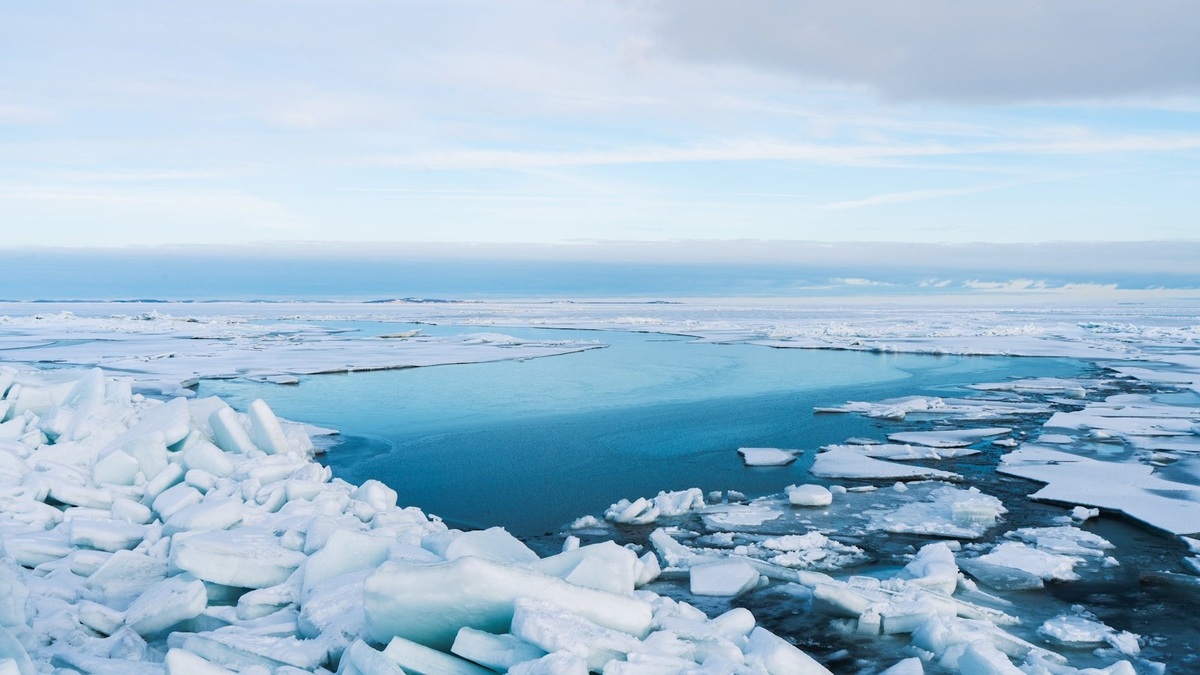
Arctic_ocean_sea_ice_and_open_water

Seas of the Arctic Ocean: Map and Geography

The Arctic Ocean is ringed by broad shelf seas that open toward its deep central basin. Moving clockwise from the Atlantic side, a map commonly shows the Barents, Kara, Laptev, East Siberian, Chukchi and Beaufort seas, followed by waters around the Canadian Arctic Archipelago and Greenland. The Greenland Sea is often included in Arctic geography…
More

More in Oceans

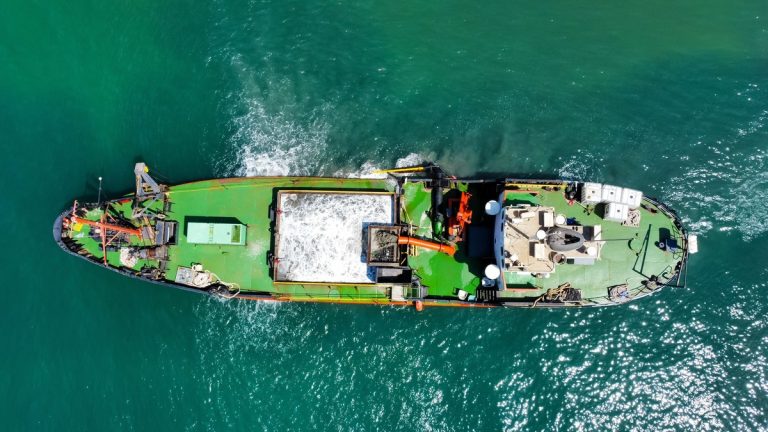
Aerial shot of a cargo ship on the ocean, showcasing shipping and marine transport

How Much of the Ocean Is Unexplored?

Most of the ocean remains unexplored in the strict sense of having been seen directly. NOAA says explorers have visually observed less than 0.001 percent of the deep-ocean seafloor, an area roughly comparable to Rhode Island. Mapping has progressed much further, yet it is still incomplete: as of April 2026, multibeam sonar had mapped 28.7…

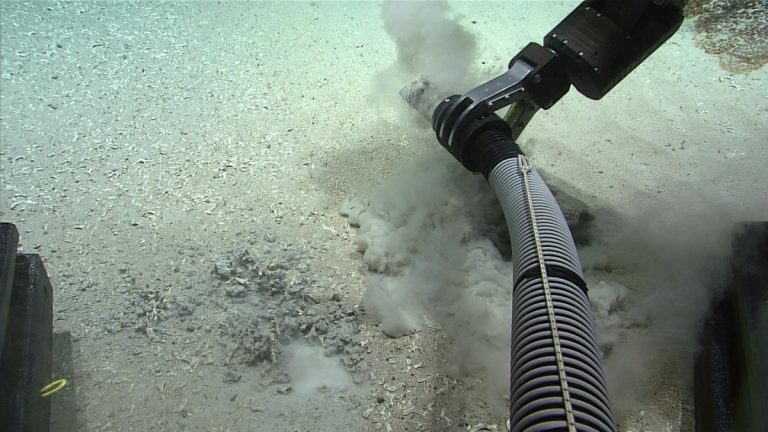
A NOAA remotely operated vehicle sampling sediment on the ocean floor

What Is Ocean Floor Sediment Made Of?

Ocean floor sediment is made of mineral grains eroded from land, microscopic remains of marine organisms, minerals that form in seawater or within sediment, volcanic material and tiny amounts of extraterrestrial dust. The mixture changes dramatically with distance from shore, water depth, biological productivity, currents, climate and the age of the seafloor. There is no…

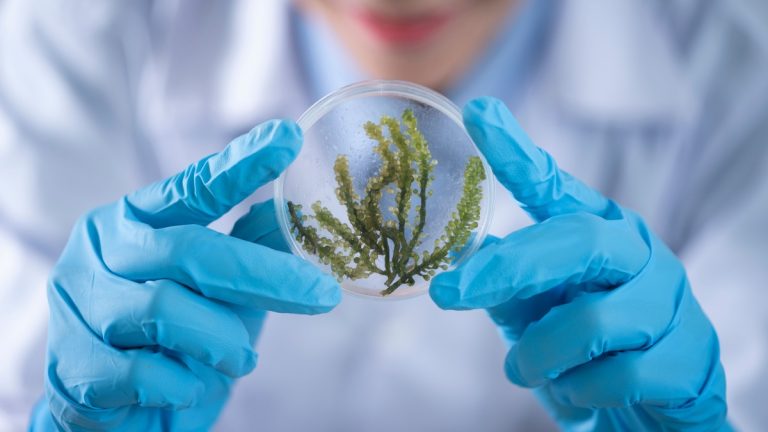
Close-up of a scientist examining algae in a petri dish, highlighting biotechnology research

Marine Biology vs. Oceanography: What Is the Difference?

Marine biology focuses on living organisms in saltwater environments, from microbes and algae to fish and whales. Oceanography studies the ocean as a whole system, including its life, chemistry, circulation, climate interactions and geology. Marine biology is therefore organism-centered, while oceanography is a broader Earth science with a biological branch. The boundary is permeable. A…