Coral reefs hold far more than bright reef fish. The coral builders are animals themselves and their branching, boulder-like or plated colonies create shelter for creatures that crawl, swim, burrow and graze. A single reef can connect microscopic plankton with large predators through many overlapping food relationships.
A NOAA account describes fish, lobsters, clams, seahorses, sponges and sea turtles among the thousands of creatures that rely on reefs. Scientists often compare reefs with rainforests because so much biological variety is concentrated in a relatively small area.
The animals do not all use the reef in the same way. Some spend their entire lives inside its holes. Others arrive to feed, seek a cleaning station or rest during a migration. Many species move between reefs and nearby mangroves or seagrass beds as they develop.
Coral polyps build the habitat
Each stony coral colony consists of small soft-bodied animals called polyps. A polyp sits in a cup of calcium carbonate and extends tentacles to capture food. New polyps grow beside earlier ones and the shared skeleton enlarges over time. Generations of colonies can produce the reef’s three-dimensional foundation.
Many shallow reef-building corals contain photosynthetic dinoflagellates commonly called zooxanthellae. The algae receive shelter and compounds needed for photosynthesis. They transfer much of the energy-rich material they make to the coral, helping colonies build skeleton in clear, sunlit water.
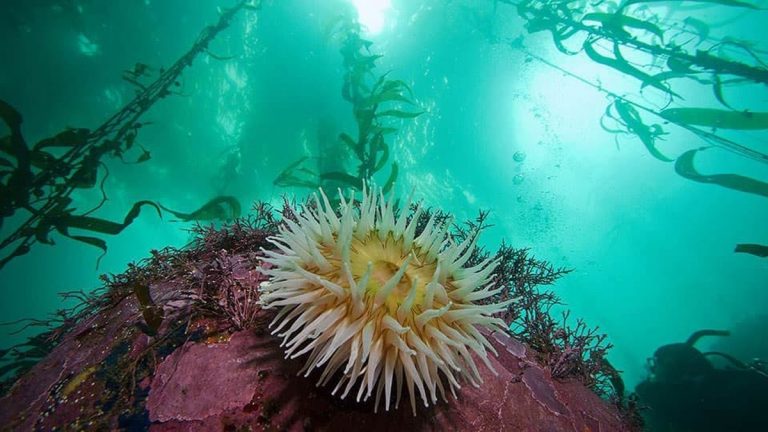
Corals belong to the same animal phylum as anemones and jellyfish. They are therefore participants in the reef community rather than a rocky stage beneath it. The NOAA Fisheries coral program monitors both coral species and the habitats their colonies form.
Fish fill distinct jobs on a reef
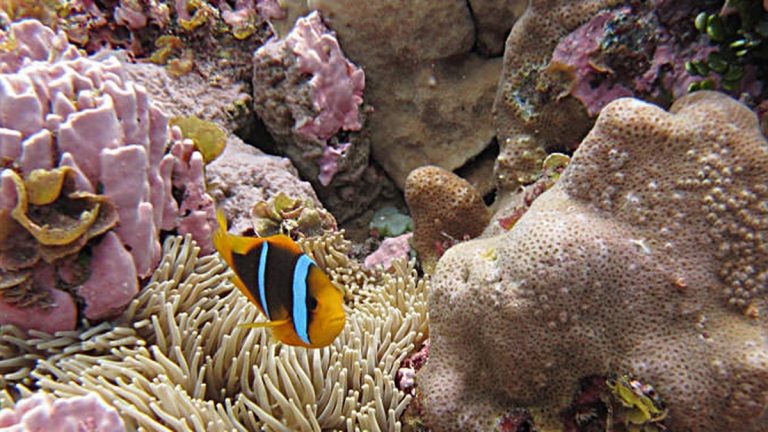
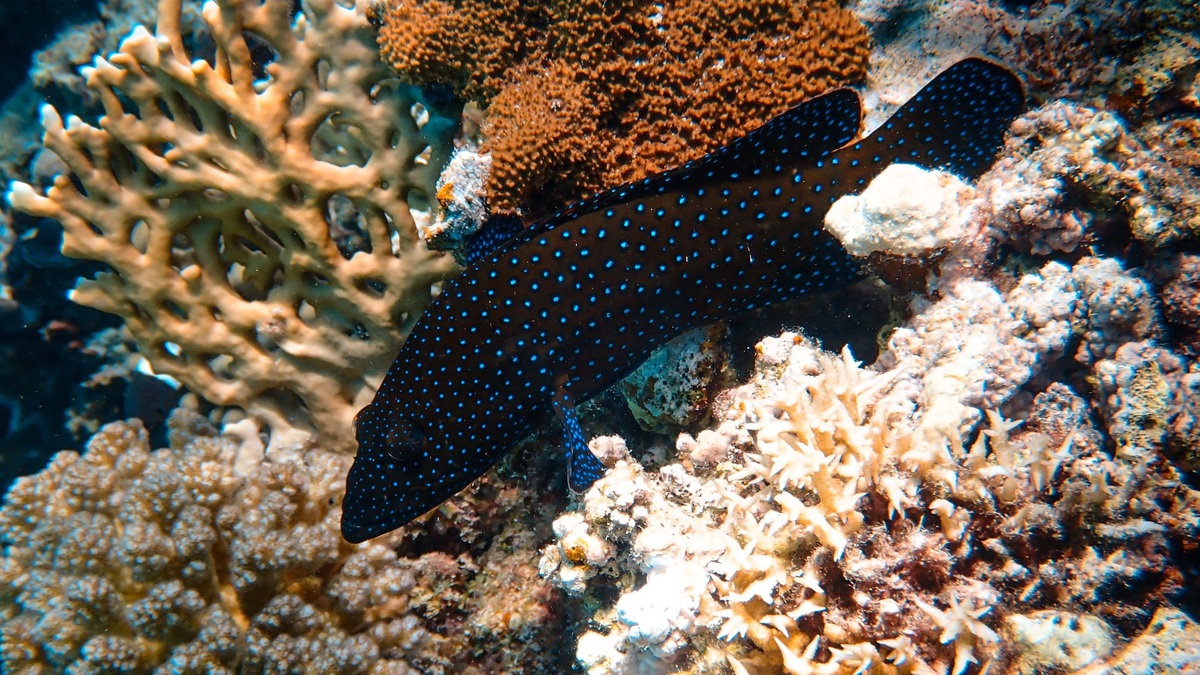
Reef fish differ in diet, body shape and daily routine. Parrotfish scrape algae and other material from hard surfaces with fused teeth. Butterflyfish can pick food from narrow spaces, while groupers use powerful bursts to capture prey. Small damselfish may defend patches of algae or hover above coral branches for plankton.
Those feeding patterns influence the reef. Grazers can limit algae that would otherwise compete with young coral. Predators affect the abundance and behavior of prey. Planktivores move energy from open water into the reef food web, then become food for larger animals.
Cleaning stations reveal another relationship. Small cleaner fish or shrimp remove parasites and damaged tissue from visiting clients. Predators may pause normal hunting behavior while being cleaned. Such interactions add function to a community that cannot be described by a species count alone.
The Reef Authority reports about 1,625 fish species across the Great Barrier Reef. No individual patch holds all of them. Depth, exposure, latitude and habitat condition create different local communities across the larger ecosystem.
Invertebrates occupy nearly every surface
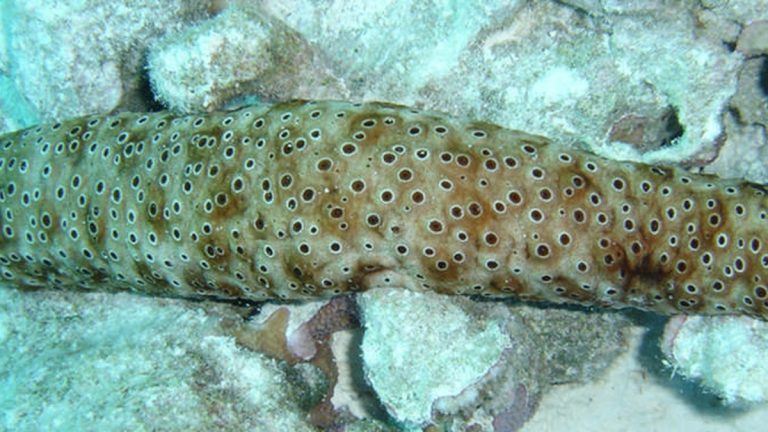
Sponges pull water through their bodies and filter out tiny food particles. Molluscs include grazing snails, burrowing bivalves and mobile cephalopods. Crabs and lobsters hide in crevices, while sea cucumbers process material on the bottom. Many of these animals stay concealed during the day.
Giant clams can host photosynthetic algae within their tissues, echoing the energy partnership found in many corals. Sea urchins graze hard surfaces with a tooth-bearing structure called Aristotle’s lantern. Excessive grazing can damage reef material, yet too little grazing can allow algae to dominate.
Worms, brittle stars and tiny crustaceans live inside rubble or within the reef framework. Some bore into calcium carbonate. Others bind loose sediment or recycle organic matter. Their small size makes them easy to overlook even though they influence how material moves through the ecosystem.
Sea turtles and larger visitors use reef corridors
Green sea turtles often feed on seagrass or algae in reef regions. Hawksbills are closely associated with reefs and eat many sponges. Turtles may rest beneath ledges, travel between feeding areas and return to beaches elsewhere to nest.
Sharks and rays use reef slopes, channels and nearby sandy bottoms. Their presence varies with species and life stage. Some reef sharks patrol a limited home range, while larger visitors pass through. Predation and scavenging connect them with food webs below.
Octopuses use camouflage and flexible bodies to hunt among crevices. Moray eels wait within holes, exposing only their heads while water passes over their gills. At night, different hunters and plankton feeders emerge, so the visible community changes after sunset.
Animals also connect the reef to other habitats. Juvenile fish may shelter in mangroves before moving to adult reef grounds. Seabirds carry marine nutrients onto islands. The reef works as one part of a coastal mosaic rather than an isolated biological island.
Species diversity depends on living structure
Branches, overhangs and cavities create spaces with different light, flow and predator access. A structurally complex reef offers more types of refuge than a flattened bottom. That variety supports animals with different needs and gives juveniles small spaces unavailable to larger predators.
Heat-driven bleaching can deprive corals of their algal partners. Disease, poor water quality and physical damage can also reduce living cover or weaken the framework. When complexity erodes, some animals lose shelter even if the site still looks like a reef from above.
The IUCN coral assessment found 44 percent of warm-water reef-building coral species threatened with extinction after accounting for uncertainty among data-deficient species. That result concerns the builders, but the effects extend through the animals that depend on their habitat.
Protection therefore involves more than preserving charismatic fish. It includes water quality, fishing practices and the physical coral community. A reef’s animal life persists through relationships among builders, grazers, predators, filter feeders and visitors, with each group using the structure in a different way.
Reproduction sends new life across the reef
Many reef animals release eggs or sperm into the water, sometimes during synchronized events. Fertilized embryos develop into larvae that drift with currents before seeking suitable habitat. A larva may travel away from its parents, connecting populations across separate reefs.
Other species guard eggs, carry young or give birth to developed juveniles. Seahorse males brood embryos in a pouch. Some mouthbrooding fish protect eggs inside the mouth, sacrificing feeding opportunities while the brood develops.
Larval settlement is a critical filter. Chemical cues, sound and the texture of a surface can help a young animal choose where to settle. Poor water quality or damaged habitat may interrupt recruitment even when adults still survive nearby.
Scientists identify a community that is partly hidden
Visual surveys count fish and conspicuous invertebrates along set paths. Cameras allow repeated observation with less disturbance, while night surveys reveal animals concealed during daylight. Environmental DNA can detect genetic material left in water by species that observers miss.
Taxonomy remains essential. A photograph may not distinguish closely related species and larvae often look unlike adults. Museum specimens and genetic comparisons help researchers determine whether a form represents a known species or something new.
Counts also need scale. One coral head may hold a different community from the surrounding reef slope. Repeated surveys across depth and season reveal whether a change reflects normal movement or a sustained population decline.
The result is a living inventory rather than a finished list. Cryptic species remain inside rubble, caves or animal hosts and deep reef zones are still unevenly explored. Every improved method adds detail to the web of life built around coral structure.
Researchers also listen. Reef sound contains snaps from shrimp, fish calls and noise from waves or boats. Larval fish can respond to that acoustic environment while searching for habitat, giving scientists another way to study how animals find and use a reef.
Related reading: mesophotic coral ecosystems and artificial reefs.