Hurricanes affect marine life through waves, currents, pressure changes, freshwater runoff, sediment and pollution. Damage is greatest in shallow coastal habitats, where storm energy reaches the bottom. Animals that can move may leave or change depth, while corals, seagrass and shellfish beds must endure the disturbance in place.
Effects are not uniformly destructive. Mixing can cool surface water and deliver nutrients, fragmented coral can sometimes reattach and deep-sea communities may receive an unusual pulse of food after the storm. Outcome depends on habitat, storm track, speed and conditions before landfall.
The NOAA overview of hurricanes and sea life describes waves, altered salinity and shifting sediment. These physical changes provide a framework for understanding why nearby species respond differently.
Wind transfers energy below the surface
Hurricane winds build large waves and drive strong currents. Near shore, orbital wave motion reaches the seabed, moving sand, breaking fragile structures and scouring organisms from hard surfaces.
Wind also mixes warm surface water with colder water below. The resulting mixed layer can extend tens of meters, changing temperature and oxygen across habitat occupied by fish and plankton.
Storm surge pushes seawater over land while heavy rain and river discharge send fresh water outward. Estuaries can experience rapid salinity swings followed by days or weeks of recovery.
Coral reefs can break, smother or recover
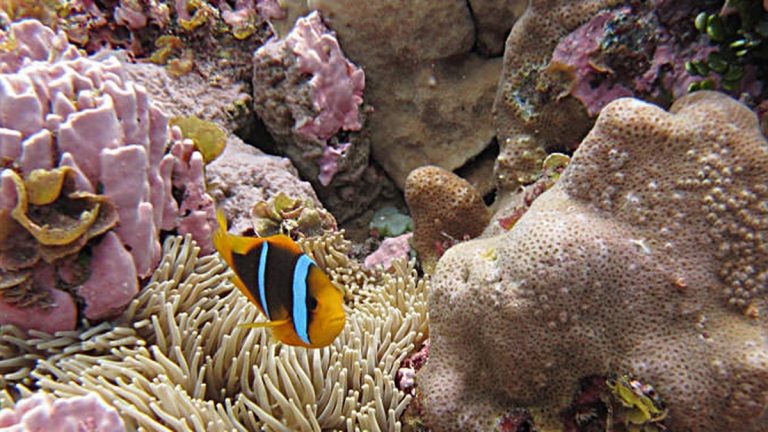
Branching corals are vulnerable to wave breakage. Massive boulder-shaped colonies may resist direct force but still suffer abrasion from rubble. Entire reef sections can shift when storm energy is concentrated.
Runoff and resuspended sediment reduce light and settle on coral tissue. Freshwater lowers salinity, while sewage or chemicals add stress after coastal infrastructure fails.
Fragments that land on stable substrate may survive and grow into new colonies. Fragmentation is a natural reproductive pathway for some corals, but it does not offset severe reef-scale destruction when pieces are buried or swept away.
NOAA Fisheries explains that hurricanes disrupt reefs and move coastal fish, showing how habitat damage and animal behavior interact.
Fish respond before, during and after a storm
Some fish move toward deeper water as pressure falls or waves increase. Telemetry has recorded shifts in tagged fish, but responses differ by species and the depth of their home habitat.
Reef-dependent animals cannot avoid habitat loss merely by swimming away. Returning fish may find shelter reduced or prey redistributed. Turbid water also changes visual feeding and predator detection.
Large sharks and marine mammals can travel beyond the strongest conditions, yet they are not immune. A storm changes prey, sound and water structure across a wide area. Calves or injured animals may have fewer options than healthy adults.
Seagrass and shellfish beds face burial and low salinity
Seagrass leaves can be torn away and rhizomes exposed by erosion. Sediment may bury shoots or create new shallow bars. Recovery depends on whether belowground tissues survive and water clarity returns.
Oysters and other attached shellfish cannot leave. Abrupt freshening can cause mortality, while sediment clogs feeding structures. Reefs that survive may stabilize shorelines and provide settlement surfaces for later generations.
Nursery habitat loss affects juvenile fish and crustaceans after the immediate storm. A coast can appear calm while food-web consequences continue through the next recruitment season.
Long-term studies show that some seagrass communities are resilient even after powerful storms. Site history, disease and prior water quality help determine whether recovery takes months or fails.
Mixing changes oxygen in both directions
Strong winds can ventilate bottom water and temporarily relieve hypoxia. At the same time, resuspended organic sediment consumes oxygen as microbes and reduced compounds react after mixing.
A USGS study of hurricane sediment and coastal oxygen found that oxidation of resuspended material can use part of the oxygen added by storm mixing. The net result varies by shelf and storm.
Runoff can fuel later algal blooms. When bloom material decomposes, oxygen falls after the hurricane has passed. Monitoring must continue beyond the visually dramatic days.
Deep-sea effects are indirect but measurable
Surface waves lose influence with depth, so an animal thousands of meters down does not feel hurricane surf as a reef does. Downward-moving organic material and altered currents can still reach deep habitats.
NOAA Ocean Exploration describes hurricane effects on the deep ocean as less direct and less observed. Churning may increase the food sinking to bottom communities after a storm.
Deep-sea time series are rare, which limits broad conclusions. Instruments must remain in place before landfall or expeditions must return quickly enough to capture transient changes.
Pollution extends the biological footprint
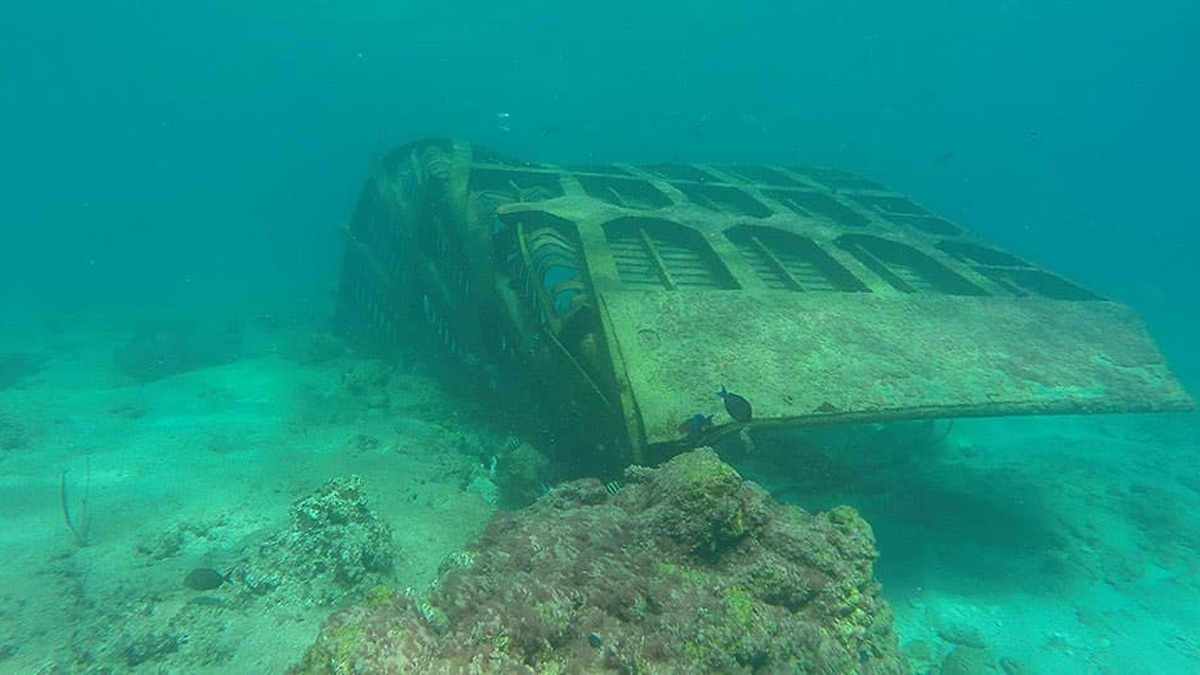
Floodwater carries fuel, pesticides, sewage and debris from land. Sunken vessels or displaced containers can release chemicals into nurseries and reefs. Cleanup crews must avoid creating further physical damage.
Lost fishing gear may continue trapping animals. Plastic and building debris add entanglement and ingestion hazards. Mapping debris helps prioritize removal from sensitive habitat.
Marine injury assessment documents coral, seagrass and vessel impacts with photographs and spatial surveys. Baseline maps from before the storm make it possible to separate hurricane damage from older scars.
Recovery depends on repeated disturbance
A healthy habitat may absorb one storm and recover through regrowth or recruitment. Repeated hurricanes, heat stress, disease and pollution can arrive before recovery is complete, reducing resilience.
The answer is therefore habitat-specific. Hurricanes physically damage shallow life, alter water chemistry and redistribute mobile animals, while some nutrient and fragmentation effects can be beneficial under limited conditions. Measuring the years after landfall reveals more than the storm’s first visible aftermath.
Timing within a life cycle changes the outcome
A storm during spawning can disperse eggs and larvae away from suitable nursery habitat. The same circulation may carry some larvae to new areas, so recruitment effects differ by species and coastline.
Nesting sea turtles face eroded beaches and flooded clutches when hurricanes overlap nesting season. Adults at sea may avoid the storm more successfully than immobile eggs in sand.
Seasonal timing also controls whether seagrass has stored energy for regrowth or whether oysters are stressed by summer heat before fresh water arrives.
Population surveys should compare equivalent seasons after landfall. A winter count against a summer baseline can mistake ordinary migration for hurricane loss.
Restoration should follow measured damage
Emergency work first removes hazards such as leaking vessels and unstable debris. Ecological restoration begins after teams map coral breakage, seagrass burial and shoreline change.
Reattaching viable coral fragments can help at limited sites, but crews must avoid damaging intact colonies. Seagrass may recover naturally when rhizomes survive, making unnecessary planting a new disturbance.
Reference sites outside the strongest track help separate regional trends from storm effects. Repeated photography and permanent plots show whether recovery is progressing.
Planning before hurricane season improves the response. Baseline maps, trained teams and permits let managers act quickly without lowering evidence standards during an emergency.
Storm intensity alone does not predict damage
The hurricane category describes maximum sustained wind, not rainfall, storm size or how long waves strike one reef. A lower-category slow storm can produce prolonged runoff and surge.
Track matters because one side of a storm can drive stronger onshore water. Local shelf shape and reef orientation focus or reduce wave energy.
Pre-storm condition is equally important. Heat-bleached coral, diseased seagrass or an oyster reef already stressed by low oxygen has less capacity to recover.
Comparing damage only with hurricane category can therefore obscure the mechanisms organisms experienced. Sensors for salinity, oxygen and waves provide a biological exposure record.
Managers use that record to prioritize restoration and revise vulnerability maps before the next season. The best prediction combines storm physics with habitat history.
Food webs can shift after physical recovery
A reef may regain coral cover while fish composition remains altered because shelter size and prey changed. Seagrass shoots may return before the sediment animals that feed juvenile fish recover.
Ecological recovery therefore includes interactions, not only visible structure. Surveys of recruitment, feeding and reproduction reveal whether the post-storm habitat supports the same functions it provided before landfall.
Related reading: living shorelines and national marine sanctuaries.