Oceans

RSS Feed

Ocean science news, explainers, and statistics covering marine environments, currents, climate, coasts, seafloor research, and the changing global ocean.

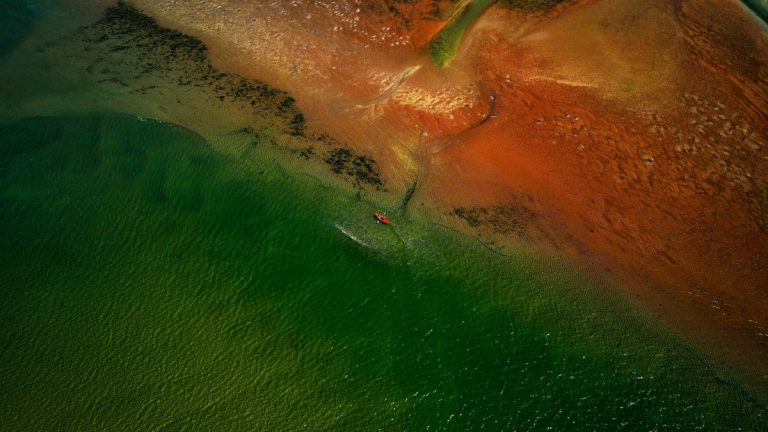
White_salt_deposits_beside_green_water

What is the average salinity of the ocean?

The average salinity of the open ocean is about 35, meaning roughly 35 grams of dissolved salts are present in one kilogram of seawater. This is often described as 35 parts per thousand or about 3.5 percent by mass. The value is a global reference, not a concentration found at every coast or depth. NOAA’s…

More

More in Oceans

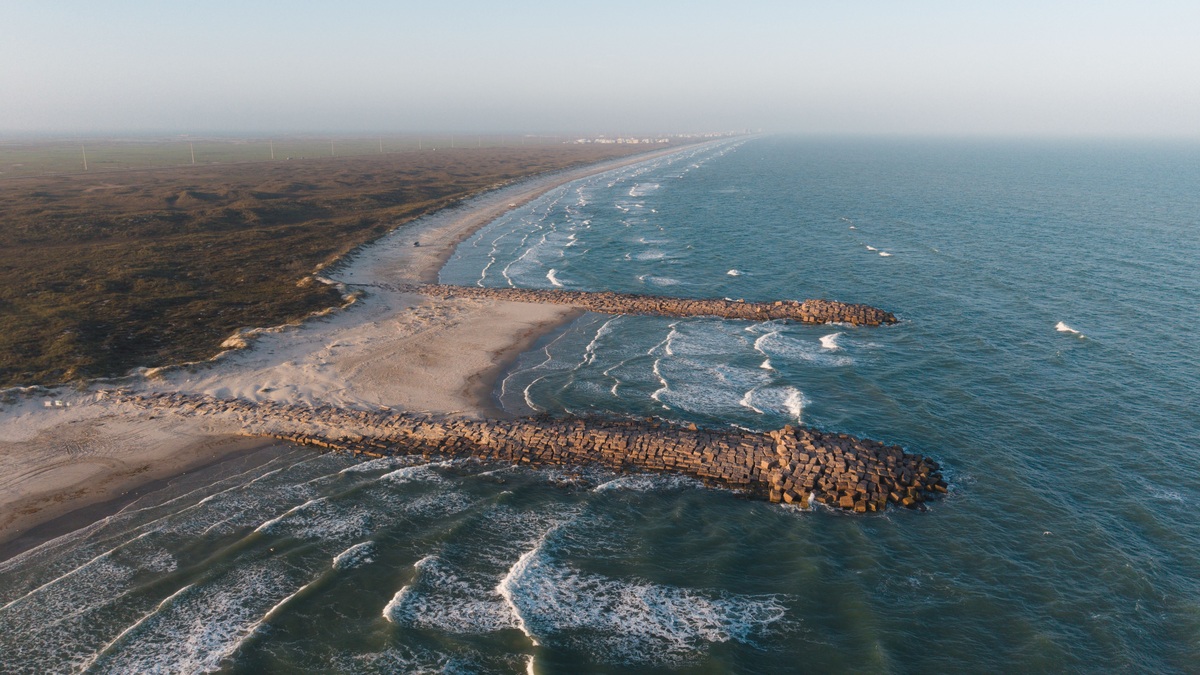
Waves_passing_a_breakwater_opening

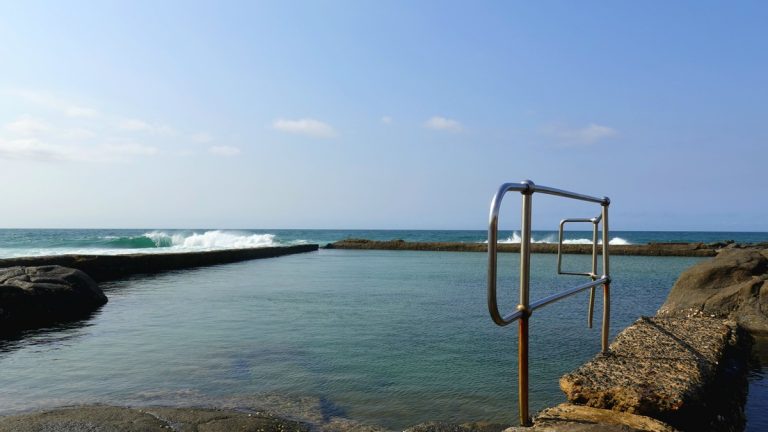
What is wave diffraction?

Wave diffraction is the sideways spreading of wave energy after a wave passes an obstacle or travels through an opening. It allows crests to curve into a sheltered region behind a breakwater, island or headland. The water there is calmer than the exposed side, yet it is rarely free of waves. The process transfers energy…

Wave_fronts_bending_along_coast

What is wave refraction?

Wave refraction is the bending of a wave as its speed changes across the crest. Near a coast, the part that enters shallow water first slows while the deeper part continues faster. The crest rotates, often becoming more nearly parallel to the shoreline as it approaches the breaking zone. Refraction also redistributes energy. Wave rays…

Wind_roughened_open_ocean

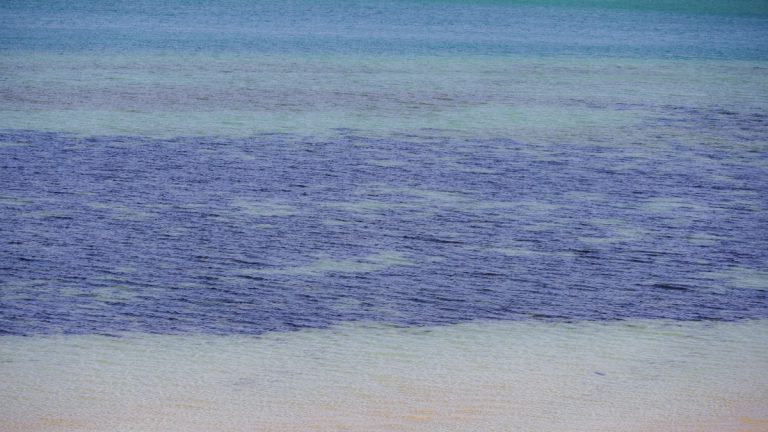
What is wave fetch?

Wave fetch is the uninterrupted distance across water over which wind blows in a broadly consistent direction. A longer fetch gives the wind more room to transfer energy into the surface, allowing waves to become taller and develop longer periods. Short fetch restricts growth even when the wind itself is strong. Fetch works together with…