Humans

RSS Feed
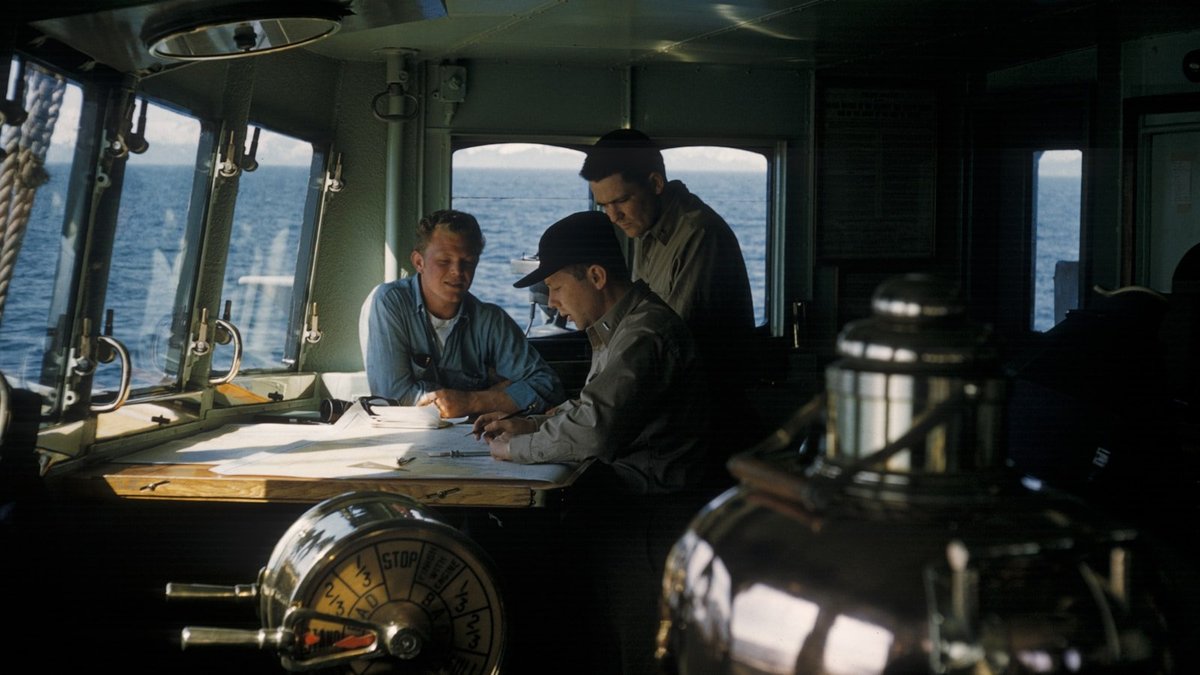
Three seafarers navigating from a ship's bridge

A survey of 1,231 Chinese seafarers and a memory experiment with 177 more suggest that loneliness can weaken work engagement by eroding cognitive flexibility, inhibitory control and working memory

Life at sea can keep people surrounded by crewmates while still leaving them cut off from the relationships that usually steady daily life. In this study, that feeling was linked to lower work engagement and the pattern appeared in both a large survey and a smaller experiment that briefly pushed participants to relive lonely moments…
More

More in Humans

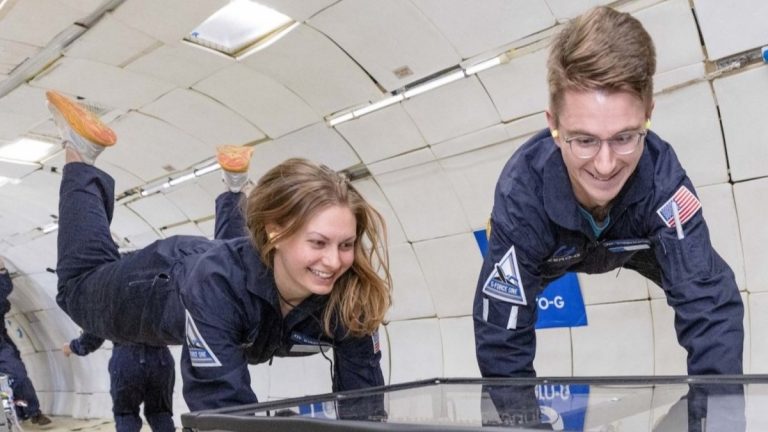
Researchers floating inside an aircraft during a parabolic microgravity flight

Two drone operators flew a virtual cave mission during 20 parabolas and became more confident during 30-second bursts of microgravity even though their accuracy did not improve, suggesting weightlessness can separate self-belief from actual performance

Microgravity did not make two human drone operators better at a hard judgment task, yet it did make them feel more sure of themselves. In a parabolic-flight study built around a virtual drone leaving a cave, confidence rose in weightlessness even though accuracy did not show a matching gain. For psychologists and spaceflight designers, that…

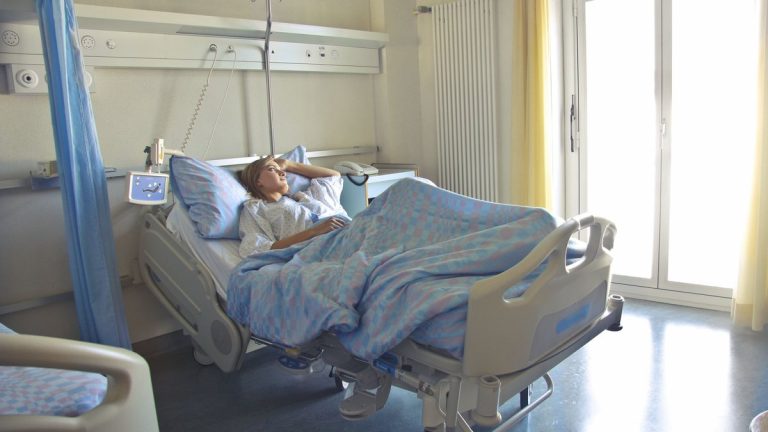
A participant resting in a hospital bed during a prolonged bed-rest setting

Twenty-four volunteers spent 60 days tilted head-down to mimic microgravity and by the end they took longer to read faces, leaned toward angry interpretations and saw no clear protection from daily artificial gravity sessions meant to help future crews

Twenty-four healthy adults agreed to spend two straight months in beds tipped six degrees head-down, a position used to mimic some of the body changes seen in orbit. By the end of the study, the most striking psychological shift was not a collapse in memory or attention. It was a slower response when reading facial…

Concept of human intelligence with human brain on blue background

Six volunteers spent 30 days inside a sealed spacecraft simulator and their EEG signals showed growing strain in the brain’s attention-control system before standard task scores fully captured how isolation was affecting focus

Six volunteers sealed inside a spacecraft simulator for 30 days showed one of the warning signs mission planners worry about most: the brain began working harder to manage attention before routine task scores showed the full size of the problem. The result points to a gap between how people seem to perform on the surface…