Humans

RSS Feed
A serene close-up of a hand gently touching a sparkling water surface under daylight

Ten healthy men were lowered to the neck into 18-degree-Celsius seawater and during the first two minutes their code-substitution scores fell by about 11 percent while oxygen demand rose 149 percent in a small crossover study about survival decisions at sea

Ten healthy men sat quietly in a lab, then slipped into water kept close to 18 C, a temperature that can feel manageable beside the Mediterranean shore. A pilot study found that within the first two minutes of that sudden immersion, their performance on a code-substitution task dropped by about 11 percent while their bodies…

More

More in Humans

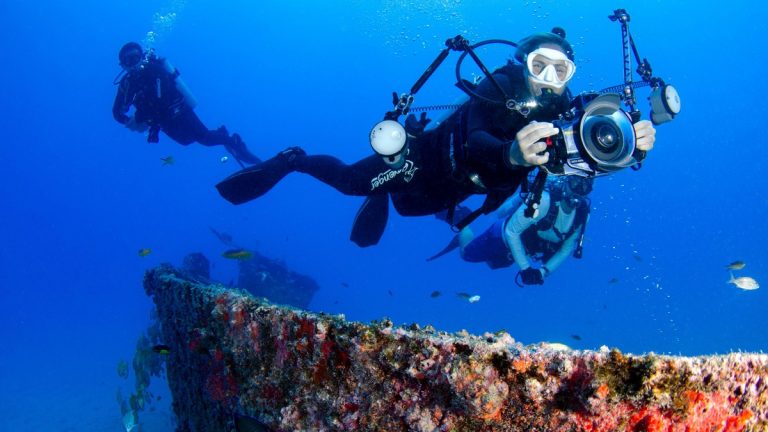
A group of aquanauts diving together near an underwater structure

Aquanauts spent 9 to 10 days inside NASA’s Aquarius habitat at nearly three atmospheres, where fatigue rose during the undersea mission but mood and work satisfaction stayed unexpectedly steady, showing how trained crews can carry strain without the same drop in morale

Nearly three atmospheres of pressure, days of diving work and no easy path back to the surface create the kind of environment researchers rarely get to study in a realistic way. During NASA’s NEEMO 22 and 23 missions, aquanauts lived in the Aquarius habitat for nine to 10 days while scientists tracked how saturation affected…

Skylab in Earth orbit after its first crew deployed the parasol sunshade

Three Skylab 4 astronauts fell behind an overloaded 84-day mission plan, but after a 30-minute conference gave them more control over rest and setup time, productivity rose and conflict with Mission Control eased

Three astronauts spent much of late 1973 trying to keep up with a timeline that had grown faster than their ability to absorb it. During the first half of Skylab 4, Gerald P. Carr, Edward G. Gibson and William R. Pogue were expected to handle an 84-day mission, new medical work, added exercise, observations of…

The compact interior of a vintage space capsule simulator

Four men lived 90 days inside a space station simulator and a later NASA report said three showed personality changes, but its warning about crew psychology rested on Rorschach tests and a follow-up that effectively shrank to three cases

Long missions depend on a crew’s ability to read tension, frustration and trust before small problems turn into serious ones. That is why an obscure NASA contractor report from February 1972 still feels surprisingly modern. It described what happened after four young men spent 90 days sealed inside a simulated space station in 1970, then…