Humans

RSS Feed
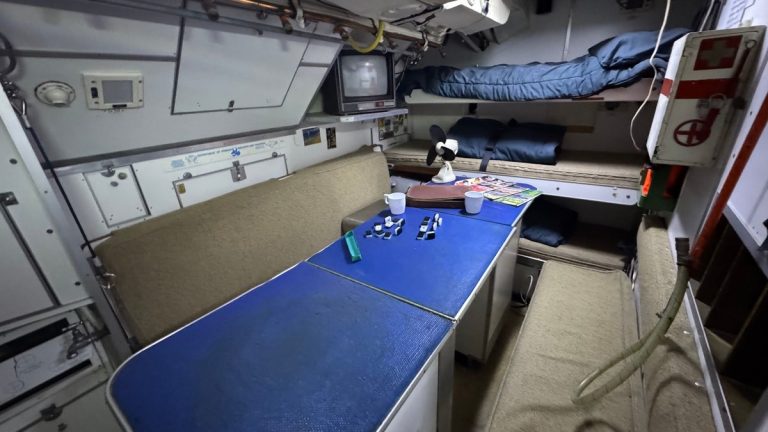
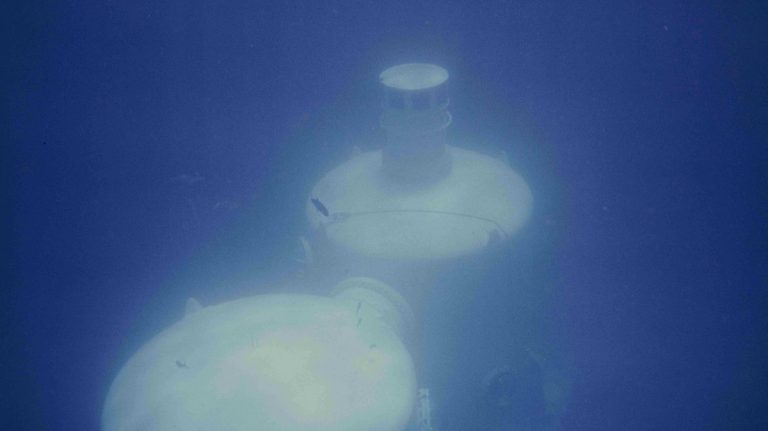
The Tektite II underwater habitat in the U.S. Virgin Islands in 1970

NASA tracked 48 Tektite II aquanauts in five-person crews beneath the Caribbean for up to 30 days and found that private space, steady topside support and relief from isolation helped protect mood, work routines and life inside the habitat

The NASA report on Tektite II reads like an early manual for environmental psychology in space. During the 1970 missions off St. John, 48 aquanauts lived in five-person teams under the sea for 14, 20, or 30 days while researchers tracked attitudes, moods, complaints, leisure and work. NASA wanted more than marine science. It wanted…

More

More in Humans

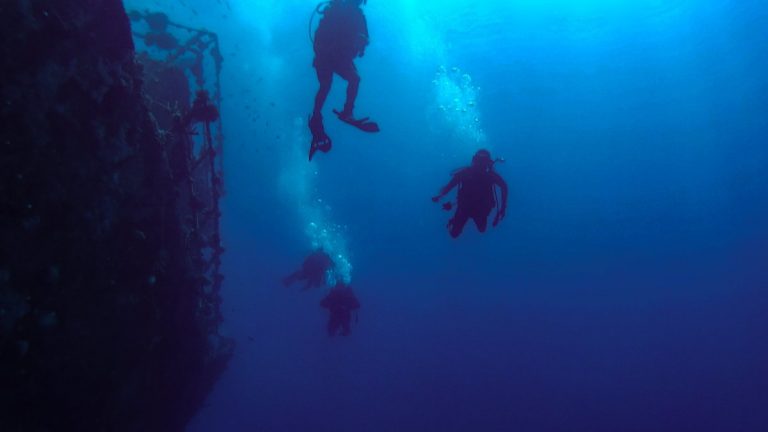
A scuba diver using a light in deep water

Eighteen recreational divers entered a chamber simulating 40 meters below the surface and the brain signal tied to attention and target detection stayed slower even after the pressure eased, suggesting that nitrogen narcosis can leave information processing lagging beyond the deepest phase of a dive

Eighteen trained recreational divers sat inside a dry hyperbaric chamber, breathed compressed air at pressure equal to about 40 meters of seawater and then took a simple listening test while their brain activity was recorded. The striking part of the result was not only that performance slipped during the simulated deep dive. Some of the…

Hand holding creative glowing polygonal brain on blue background. AI and future concept

Fourteen men endured three two-hour immersions in 20°C water and their memory began adapting to the cold, while nitrous oxide used to simulate inert-gas narcosis continued to impair cognition throughout the day

Fourteen healthy men spent nearly 12 hours at a time cycling between cold water and rewarming and the main risk was mental rather than dramatic. The study showed that repeated exposure to 20 C water let some cold-related cognitive losses fade after the first immersion, but a laboratory analog of inert gas narcosis kept several…

Three scuba divers working together underwater

Firefighter divers spent five minutes at a simulated 50-meter depth and made more balance errors after surfacing, while an oxygen stop preserved improvement on a bead test, suggesting nitrogen narcosis can briefly linger after pressure returns to normal

Eighty-six professional firefighter divers entered a hyperbaric chamber for a short but deep pressure exposure, then repeated simple balance and hand-skill tests after surfacing. The most striking change did not appear in their fingers first. It appeared in how steadily they could hold a demanding heel-to-toe stance with their eyes closed. The 2024 Medicina study…