Thirty office workers sat through three kinds of 10-minute workplace breaks, one with a live aquarium, one with a fish video and one in a quiet room with no screen or tank. The result that held up most clearly was simple: people often looked better after the pause itself, yet the live fish tank did not outperform the video or the empty-room rest condition on the main stress and cognition comparisons.
An Anthrozoos study tested that question with an embedded mixed-methods study that combined laboratory-style measures with follow-up interviews. The researchers measured mood, blood pressure, saliva cortisol and short cognitive tasks after one-off breaks, then tracked repeated exposure over several weeks to see whether any effect built up in everyday office life. That design matters because it separates a pleasant first impression from a change that stays visible after repeated use.
Workplace wellbeing research often assumes that a calming object in the room will improve attention and mood on its own. This paper lands in a more careful place. Participants described the aquarium as the most engaging option, but the strongest quantitative signal pointed to the value of taking a microbreak, leaving the desk for a few minutes and giving the mind a short reset.
What the two workplace trials actually tested
The study was small, but it was more ambitious than a single before-and-after check. In Trial A, 30 employees experienced all three conditions on separate days: watching a live tank, watching a matched fish video and resting quietly in a room with no fish stimulus. Each session lasted 10 minutes and the team compared measures taken before and after each break.
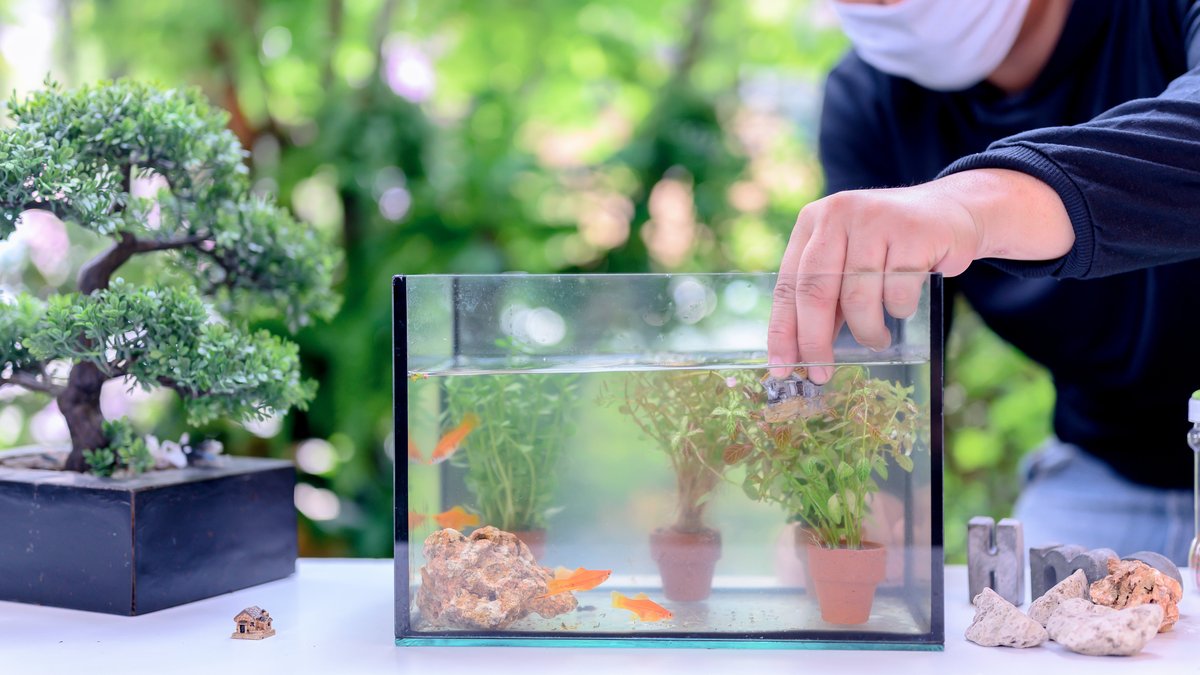
The live setup used a 54-litre fish tank stocked with five zebra danios, five cardinal tetras and a bristlenose catfish. The video condition showed a recording of the same aquarium in the same office space. The control condition removed the visual fish element entirely. That side-by-side structure gave the paper a clean comparison between a real aquarium, a mediated version of it and an ordinary quiet pause.
The project then moved to Trial B, where 27 workers repeated one assigned condition once a week for three weeks and returned for a final assessment week. This second phase looked beyond an immediate mood shift and asked whether repeated exposure changed depression, anxiety, stress, or job-related affective wellbeing in a more durable way.
The aquarium did not beat quiet rest on the main outcomes
The central null finding comes from the comparison that many offices would care about most. Across the live tank, fish video and quiet-rest conditions, the researchers did not find evidence that watching live fish produced a greater reduction in stress-related outcomes than the other two options. Some measures changed from pre-test to post-test after the break period, but the crucial differences between conditions were largely absent.
That pattern applied to both physiology and performance. In the immediate trial, the team checked blood pressure, saliva cortisol, digit span and the Stroop Color-Word Test alongside mood ratings. The paper reports improvements over time on several outcomes, yet those shifts did not separate the aquarium from the video or the empty room in a way that would support a strong aquarium-specific claim.
The longer trial stayed just as cautious. Repeated exposure to the live tank did not produce a clear advantage over repeated quiet rest on depression, anxiety, or stress scores. For a workplace manager hoping that an aquarium alone will act as a dependable stress tool, the study points to a narrower conclusion: a short pause may help, while the visible fish element did not add a robust extra benefit in these comparisons.
Why the fish video scored better in one repeated measure
The most surprising quantitative result came from the repeated-break phase. Over several weeks, the fish video condition was associated with better job-related affective wellbeing than the control condition, especially on the paper’s high pleasure-low arousal subscale. Those are calmer positive feelings, the kind of state that fits a worker who feels settled rather than excited.
The live aquarium did not show the same clear edge. The authors did not treat that as proof that video is superior to living animals in general. Instead, they proposed one possible explanation drawn from the study itself: the video may have demanded less attention than the real tank, leaving participants more mental space for quiet reflection during the break.
That reading fits a broader office-rest idea found in other research. A systematic review of workplace micro-breaks concluded that short pauses can improve well-being and reduce fatigue, although the evidence is mixed and strongly shaped by how the breaks are designed. The fish paper adds a specific twist to that literature, because it suggests that a highly engaging object is not automatically the best choice when the goal is a calm, restorative pause.
What participants said about live fish and leaving the desk
The interview findings help explain why the paper does not read like a simple aquarium verdict. Participants repeatedly said the live fishes were more engaging than the video. They noticed movement, individuality and small changes in behavior that a recording could not fully match. In everyday language, the tank felt alive in a way the screen did not.
At the same time, many participants also said that any reason to step out of the normal work routine was useful. The qualitative material described the value of leaving the desk, pausing task demands and using a few minutes of separation from office pressures. That is why the null comparison matters so much: the pleasant experience of watching live fish coexisted with a broader benefit that may have come from the break structure itself.
Other evidence in office and environmental psychology points in a similar direction. A review of nature in office spaces describes modest support for improved worker wellbeing, but it also shows how hard it is to isolate which element does the work: the natural stimulus, the time spent with it, or the chance to disengage from a demanding task. Another experiment using a virtual nature window in an office setting reported stress-related benefits from simulated natural scenes, which reinforces the idea that mediation and context both matter.
What this changes for workplace wellbeing claims
The study does not say aquariums are useless. It says the evidence from this office sample does not support a strong claim that live fish tanks outperform a fish video or a quiet room when employees take short breaks. That is a meaningful correction because decorative wellness claims often run ahead of the data. Offices can still value aquariums for aesthetics, conversation, or employee preference, but those are different claims from measured stress reduction.
The authors also place limits around what their data can settle. The sample was small, the repeated trial involved weekly exposure rather than daily use and the aquarium sessions may have been shorter or less interactive than the way some workers would naturally use a tank in a real office. Earlier public-aquarium work and related reporting, including an European Centre for Environment and Human Health summary of aquarium-viewing research, suggests that larger displays and longer viewing periods can produce different responses. This workplace paper therefore narrows one question rather than closing the whole topic.
For managers and workers, the practical message is still valuable. If the aim is better day-to-day recovery, protect the break first. A few minutes away from email, noise and deadlines may matter more than the exact object placed in front of the employee. The fish tank may still be the most engaging version of that pause, yet this study suggests the clearest reliable gain came from making room for the pause itself and letting people briefly reset before they returned to work.