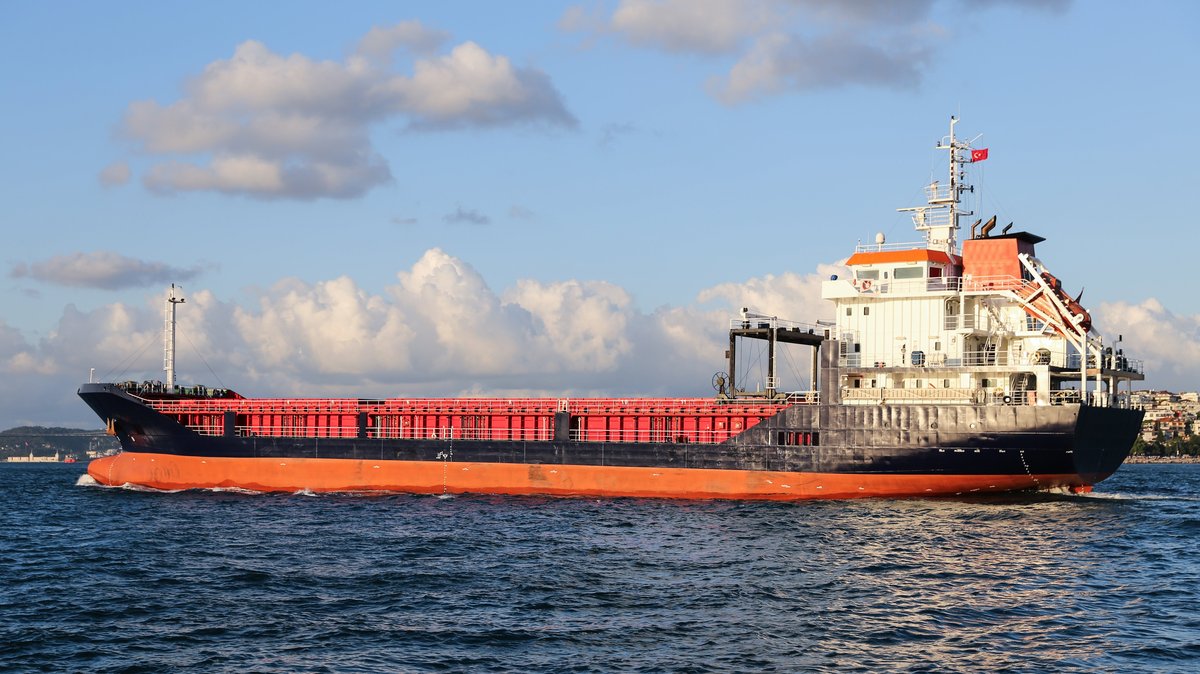
A broadly positive set of numbers can still hide a hard daily reality. In a large 2022 survey of people who were answering while onboard ships, most seafarers said they were doing well overall. Yet the same responses also pointed to two pressures that keep returning in maritime mental health research: loneliness and sleep deprivation.
The strongest single source for that picture is a 2024 study in Inquiry by Rebecca Hayes-Mejia and Martin Stafstrom, based on 13,008 seafarers onboard ships from 154 nationalities and 44 international shipping companies. The authors measured wellbeing with the WHO-5 index and paired it with a separate happiness scale, then tested how both outcomes related to work experience and the psychosocial environment onboard.
The topline looked reassuring at first. The paper reported that 77.24 percent were classed as doing well on wellbeing and 81.86 percent were classed as happy. Those figures still left a large number of people carrying strain in places that can affect mood, judgment and safe work at sea. Life onboard is lived around the clock, far from home, inside a workplace that also serves as bedroom, dining room and social world for months at a time.
The good headline came with a warning
Large maritime surveys often focus on depression, anxiety, or crisis indicators, so this paper took a slightly different route. It asked how many seafarers were functioning well and feeling happy, then looked at which parts of the work environment tracked with those outcomes. That approach matters because a crew member can avoid a clinical diagnosis and still be worn down by fatigue, isolation, or poor support.
Scale gave this study unusual weight. The sample covered seafarers who were actually onboard when they answered, which helped the authors focus on one shared environment instead of mixing people at sea with people back home on leave. The survey itself came out of a collaboration between Lund University and Marine Benefits and the researchers ran logistic regression models to see which working conditions lined up with stronger or weaker wellbeing and happiness.
A related PubMed record for the paper helps confirm the publication details, but the main result stays simple enough to grasp without statistics software. Most respondents gave a positive picture of life at sea overall and several work experience measures were linked with better outcomes. The warning sat in the psychosocial detail, where the survey showed that a positive average did not erase persistent stress around rest and social life.
Sleep and loneliness stayed central
The paper says the quietest numbers may be the most important ones. In its discussion section, the authors wrote that about a fifth of respondents reported feeling lonely and about two-thirds reported not getting enough sleep. Those two problems sit close to the center of psychological wellbeing because they can feed each other. A tired person has less emotional reserve and an isolated person often has fewer chances to recover from stress in conversation or routine social contact.
Loneliness has been showing up in maritime research for years. A Cardiff University report from 2019 described long working hours, isolation and long periods away from family as major pressures on mental health at sea. The new global survey does not replace that earlier work. It reinforces it with a much larger onboard sample and shows that the issue remained visible even when the headline wellbeing numbers looked mostly positive.
Sleep carried the same double message. Many respondents were broadly happy, but rest still looked fragile. A Seafarers Trust mental health report had already argued that adequate, uninterrupted sleep is important for avoiding fatigue and depression. The new study placed that problem inside a much larger dataset and tied it to day-to-day life onboard, where noise, watch schedules, workload and the inability to leave the workplace can all chip away at recovery.
The survey also found wider social strain around crew life. The authors wrote that a majority did not have at least one co-worker to talk to and three quarters said they did not have many group activities while onboard. Those findings deepen the story behind loneliness. Isolation at sea is rarely just physical distance from home. It can also mean a weak social buffer inside the ship itself, which makes poor sleep, stress and low mood harder to absorb.
Work conditions still tracked with mental wellbeing
The study did not treat wellbeing as a floating feeling disconnected from work. It linked better outcomes to how respondents rated their current job, whether it met expectations, how close it felt to an ideal job, how relevant their skills were and whether the work felt meaningfully challenging. In plain terms, seafarers tended to do better when the job felt worthwhile, manageable and better matched to who they were and what they could do.
Workload stood out as the exception and the complication. In the main analysis, workload was the only major work factor that did not follow the same straightforward pattern as satisfaction, expectations, ideal work, training, or challenge. When the team split the results by workload level, a medium workload appeared most conducive to wellbeing and happiness, while high workload was least associated with both. That fits a simple human reality: too little to do can flatten morale, but too much can crowd out sleep, patience and mental recovery.
Newer industry reporting points in the same direction on rest. A 2024 Marine Benefits analysis linked sufficient sleep with lower stress and better overall wellbeing in another seafarer dataset. The two pieces of evidence are not the same study and should not be blended into one number, yet they point toward the same weak spot. Rest is not a side issue. It is one of the places where working life at sea reaches directly into mood, health and how people cope with pressure.
Why the survey cannot settle cause and effect
The authors were careful about what their study could prove. This was a cross-sectional study, which means it captured a large snapshot rather than following the same people over time to watch causes unfold. The paper states plainly that this design did not allow the researchers to draw conclusions about inference between the psychosocial work environment and mental health outcomes.
That caution is more than a technical footnote. A seafarer with low wellbeing may start to see work more negatively, sleep worse and feel lonelier. The reverse can also be true: weak support, poor sleep and a harsh work environment may drag wellbeing down. A cross-sectional survey can show that those things are linked and this one showed that clearly, but it cannot tell which direction started the cycle for each person.
The survey also depended on electronic questionnaires sent through HR departments and manning agencies and not every respondent completed the full form. The researchers noted that answers from people who filled in the wellbeing and happiness scales but left other parts incomplete did not differ significantly from those who finished the full survey. That helps, but it does not remove every possible bias tied to voluntary response, internet access, company channels, or the fact that some people may answer more readily than others when they are exhausted or distressed.
Why the findings matter beyond one paper
Shipping depends on people who can work safely while living in prolonged confinement. The study argues that a stronger focus on wellbeing and happiness could help both crew retention and safety at sea. That claim is reasonable within the evidence the paper presents. A crew that sleeps badly, feels isolated, or loses confidence in its social support is carrying risks that reach beyond morale into communication, alertness and judgment.
Psychological wellbeing also deserves attention because it catches a broader state than crisis-only measures do. A person may keep functioning, avoid formal diagnosis and still move through daily life with thin reserves. The authors were explicit that wellbeing and happiness can be useful indicators when someone wants to understand why people stay in the industry or drift out of it. For ship operators, that makes loneliness and sleep more than welfare topics. They are operational conditions that can quietly decide whether experienced people remain onboard.
The study stops short of giving a tested fix and it should. A cross-sectional survey is good at showing patterns and weak at proving remedies. Even so, it points toward a practical agenda: protect sleep where schedules allow, reduce needless social isolation, improve the quality of onboard communication and treat crew support as part of safe ship management rather than as an optional extra. The strongest lesson from this unusually large survey is that good average wellbeing scores do not cancel the persistent burden of tired minds and lonely lives at sea.