Humans

RSS Feed
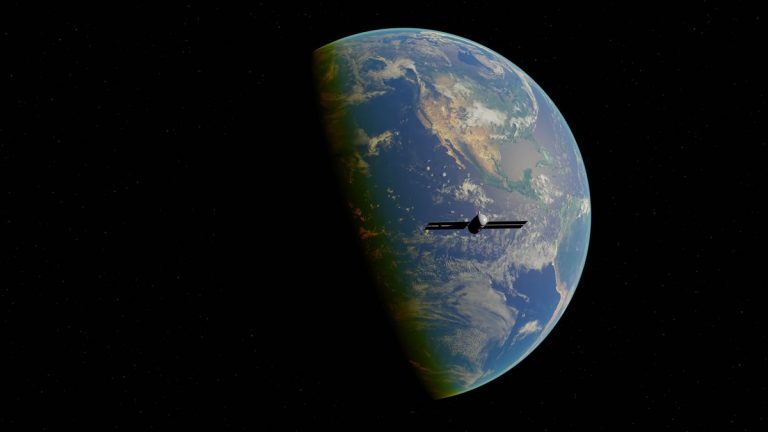
A smiling female scientist in a futuristic space station, symbolizing innovation and exploration

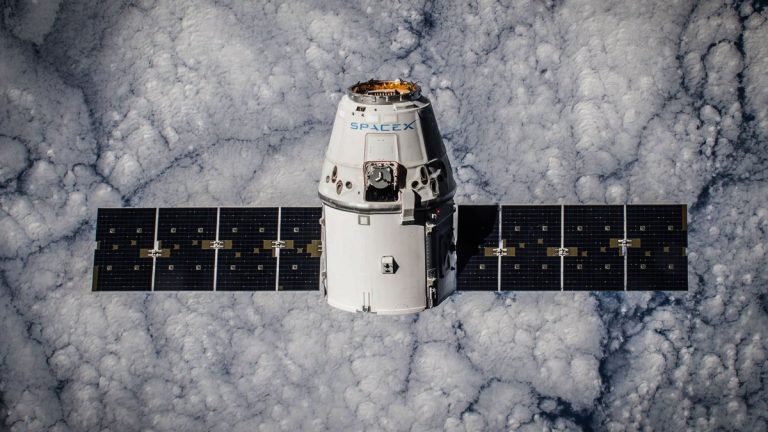
Twenty percent shorter inner minutes appeared in orbit while memory for docking and spacewalk dates stayed close to Earth time and a 10-astronaut study on the International Space Station suggests that routine duration judgments can drift even when mission milestones remain firmly tracked

Ten astronauts who spent six to eight months in orbit gave researchers a striking split result: when they judged a single minute, their responses shifted in a way that made the interval feel shorter than it did on Earth, yet the same crewmembers stayed much more accurate when recalling how many days had passed since…

More

More in Humans

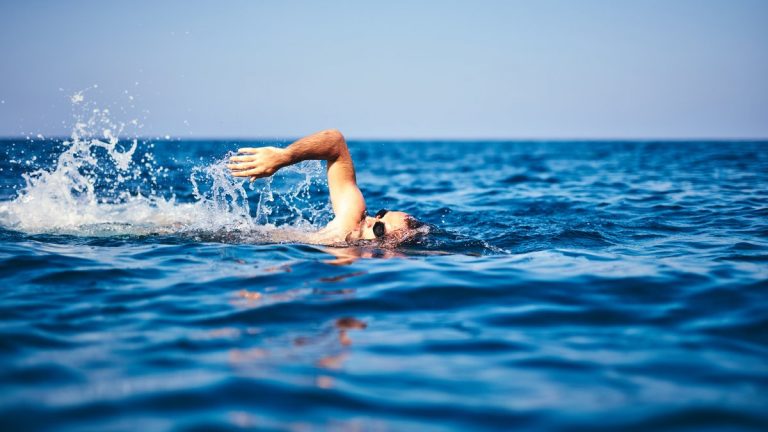
Older swimmer wearing goggles at a pool

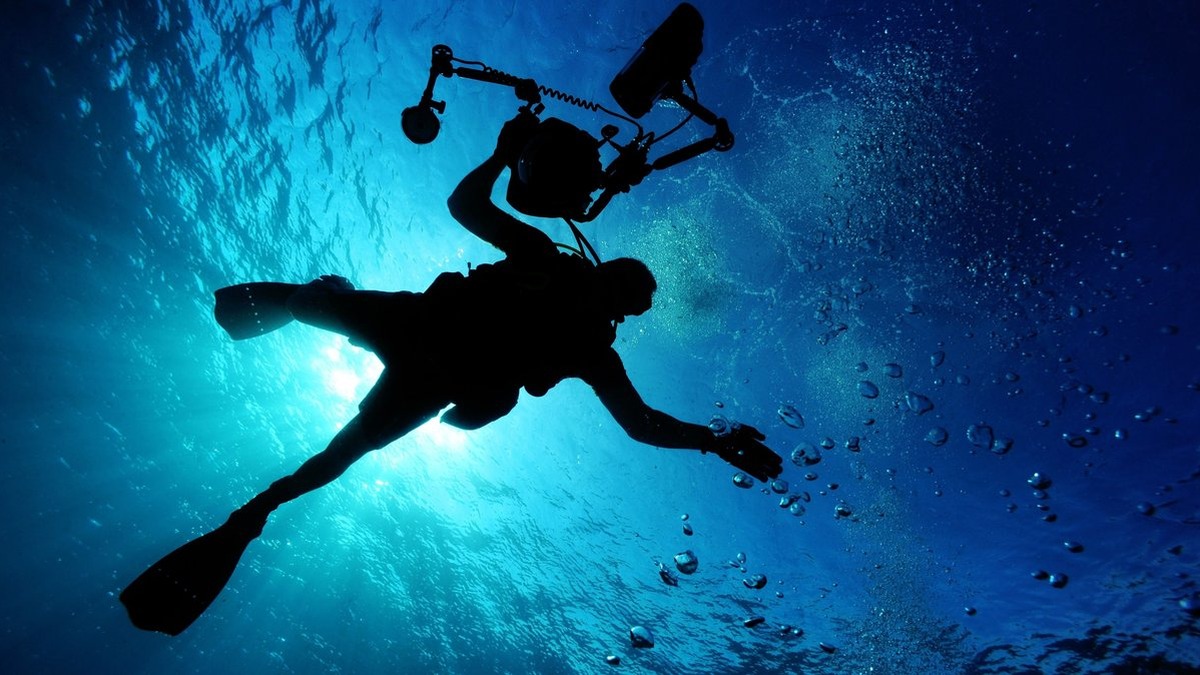
Twenty-one older adults made 111 percent more listening errors on land than in chest-deep water, while immersion also doubled one balance-complexity measure and pushed sway area and velocity in the same direction, showing how a pool can lighten vigilance demands even as upright control becomes more challenging

Twenty-one healthy older adults in their early seventies showed a striking split between mind and posture when researchers compared the same tasks on land and in chest-deep water. The group made far fewer errors on an auditory vigilance task in the pool, yet their standing-balance measures moved in the opposite direction, with water placing extra…

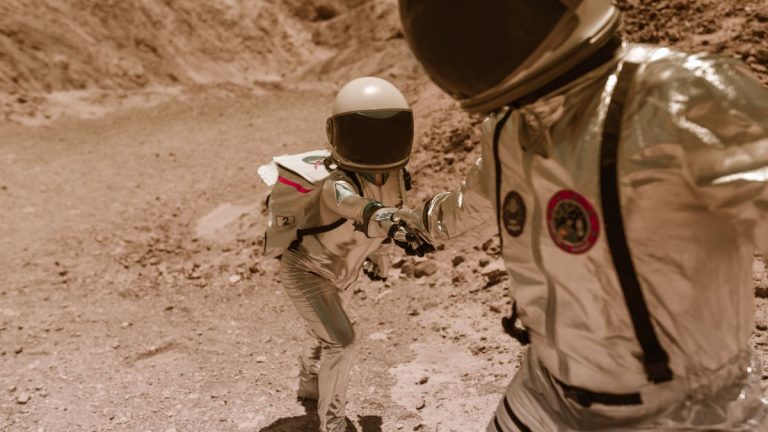
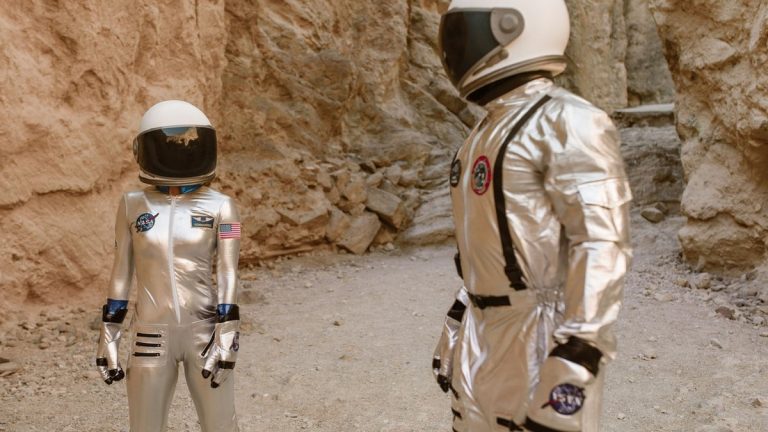
Two astronauts in space suits help each other in a desert-like terrain, evoking Mars exploration

Eighteen HI-SEAS crew members spent 8 to 12 months inside a Mars habitat on Mauna Loa and the combined stress signals suggest that the biological and social strain grew harder to manage after the missions passed their halfway point

Eighteen people lived through three long HI-SEAS missions that tried to mimic some of the isolation, confinement and delayed communication expected on a trip to Mars. The crews were small, the living space was tight and the missions lasted either eight or 12 months, which gave researchers a chance to watch how stress changed as…

Top view of frowning teen female holding nose and keeping breath lying in bathtub

Fifty healthy adults spent 60 minutes floating in warm, silent darkness or lying on a waterbed and the float sessions more often blurred body boundaries, bent the sense of time and produced a sharper short-term drop in anxiety

Anxiety can fall for a while when the body stops getting its usual stream of signals from light, sound, pressure and movement. In a tightly controlled experiment from Freiburg, volunteers who floated weightlessly in warm salt water for one hour came out feeling calmer than they did after an hour on a warm waterbed in…