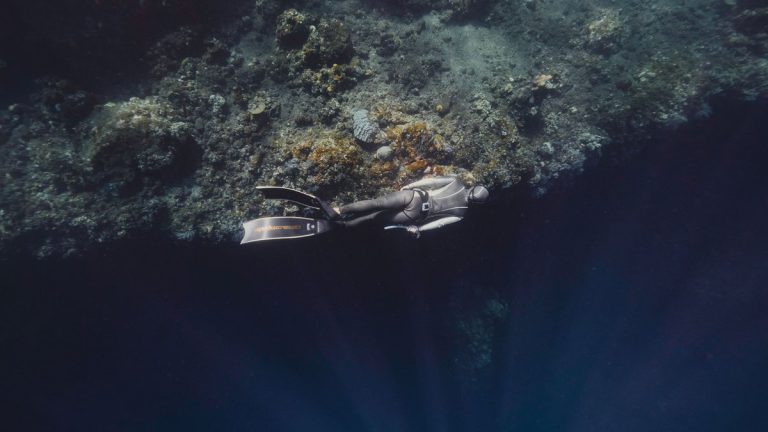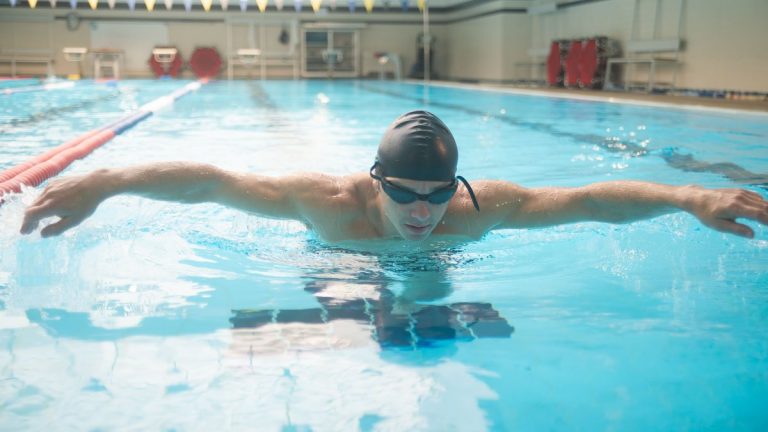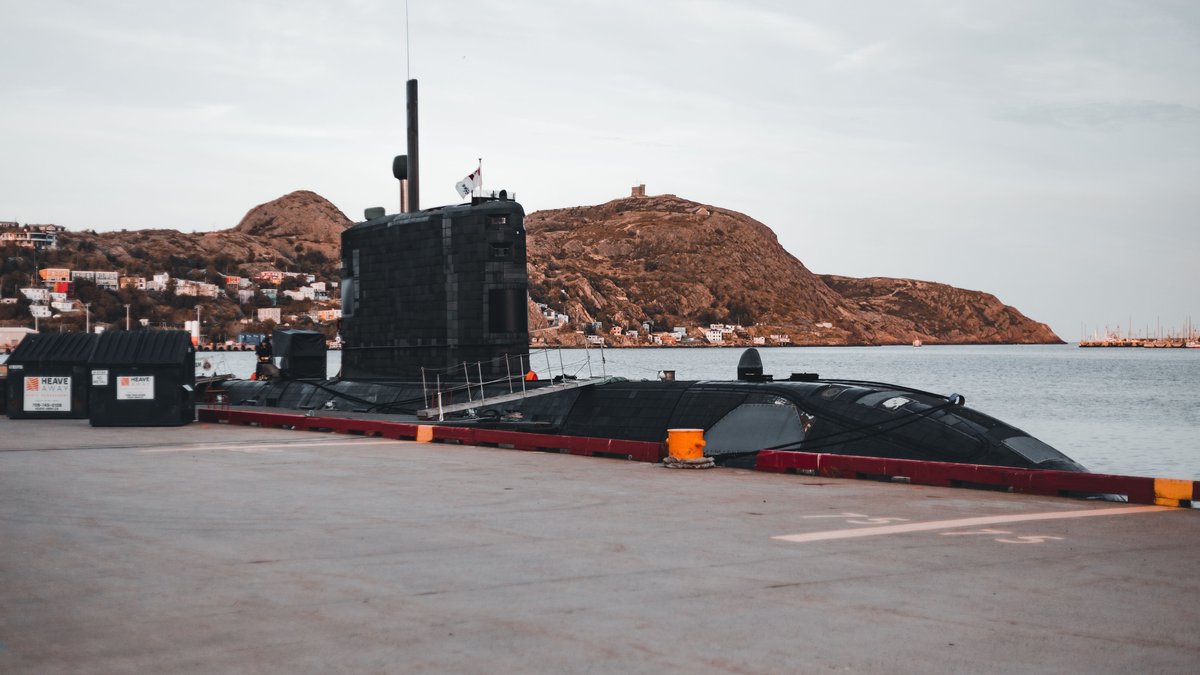
Twenty-nine submariners volunteered for an unusual mental-health study during a 60 to 80 day patrol aboard the French nuclear-powered ballistic missile submarine Le Triomphant. Researchers wanted to know whether regular onboard exercise could help men endure an environment built around confinement, isolation, artificial light, constant noise and a watch schedule that can pull sleep and mood out of rhythm.
The answer was mixed. In the Frontiers in Psychiatry study, overall mood functioning still deteriorated as the patrol progressed. Yet the group that logged more exercise minutes held a steadier level of psychological activation, showed better balance at the end of patrol and tended to preserve far visual accommodation. The same group also reported worse general health and worse sleep at recovery one month later.
That combination makes the paper more useful than a simple success story. Exercise looked linked to some parts of operational functioning, especially sensory and postural measures, while leaving the broad patrol-wide decline in mood intact. The study therefore points to exercise as one possible support inside an isolated and confined environment, not as a stand-alone fix for the emotional strain of submarine life.
Why patrol life wears people down
A ballistic missile submarine patrol compresses work, rest and private life into one sealed setting for weeks at a time. The authors describe a professional world marked by confinement, promiscuity, a recycled atmosphere, no natural daylight and ongoing machine noise. Crew members cannot step outside for relief, change scenery, or recover ordinary social distance.
Earlier submarine research had already suggested a mid-patrol rise in negative mood, weaker positive mood and less restorative sleep. The paper places those effects beside a broader body of evidence showing that regular physical activity supports mental health in many settings. The ACSM physical activity guidelines collect that wider evidence base. That background made exercise an attractive countermeasure to test on board, especially because even limited equipment such as weights or a home trainer can fit into a submarine.
The authors also widened the question beyond mood alone. They were interested in exteroceptive functioning, the way people take in the outside world through senses such as vision and body position. Earlier work had reported declines in visual accommodation and proprioceptive performance during patrols, so this study treated mood and sensory functioning as parts of the same operational picture rather than as separate problems.
How the researchers compared active and less active crew members
The study followed the red crew of Le Triomphant during an operational patrol in 2018. All 29 volunteers were men and the investigators measured them before departure, during patrol and again one month after return. The design was a pragmatic exploratory cohort follow-up, which means it tracked what crew members actually did instead of assigning them to a controlled training program. The paper also makes clear that patrol timing stays classified, a reminder that researchers had to work inside a real military mission rather than a simplified laboratory schedule.
Exercise was recorded with a daily self-questionnaire. The researchers then split the men into two groups around the median total number of sport minutes completed during the patrol. One group practiced more onboard exercise, while the other practiced less. This approach allowed comparison, but it did not randomize participants, standardize workouts, or prove that exercise itself caused every later difference.
The outcome measures covered several parts of functioning. The team examined mood, activation, health ratings that included sleep, unipodal stability and accommodation distance in vision. That spread is important because patrol strain can show up in alertness, sensory precision and postural control long before it appears as a dramatic psychiatric crisis. The authors were responding to earlier patrol findings that described degraded proprioception and visual accommodation, so the sensory measures were central to the study rather than decorative extras.
What changed in mood, activation, health and sleep
The broadest result was also the clearest: overall mood functioning deteriorated during the patrol. The paper uses the older term thymic functioning for that domain, but in practical language it means the mission environment still pushed crew mood in a worse direction across time. Regular exercise did not erase that mission-wide pattern, even though broader expert resources from ACSM on mental health describe physical activity as a useful support for psychological well-being.
One part of the picture did differ between groups. Submariners who practiced more exercise maintained a more stable level of activation than their less active crewmates. Activation here refers to felt energy and readiness rather than happiness. In a closed military setting, a person can remain operationally alert while still feeling emotionally worn down.
The recovery findings cut against any simple claim that more exercise meant better outcomes everywhere. One month after return, the more active group showed worse general health and worse sleep scores. The paper reports those differences directly and the safest reading is descriptive: the active group differed from the less active group on recovery measures, but the study cannot tell whether exercise produced that pattern or whether more strained crew members chose to exercise more in the first place.
Where exercise seemed linked to operational functioning
The strongest positive signals appeared in measures tied to the body’s handling of space and motion. At the end of patrol, the more active submariners showed better postural control. On a submarine, balance is more than a comfort issue. It contributes to safe movement in narrow passages, steady work at stations and confidence while the body adapts to a confined, moving platform.
The exercise group also tended to preserve far visual accommodation, the eye’s ability to adjust focus for distant targets. That result fits the authors’ idea that onboard exercise may support exteroceptive functioning. Exercise brings proprioceptive input, body movement and changing effort levels into a setting that otherwise offers monotony and a narrow range of sensory stimulation.
Even here, the paper stays cautious. The authors do not claim that exercise rebuilt every affected sensory system and they do not say balance and visual performance were fully protected. They say exercise alone was not sufficient to compensate for the thymic dysregulation induced by the submarine environment, while it seemed to help maintain some outward-facing sensory and postural functions.
Why the study stops short of a clean prescription
The design leaves real uncertainty around cause and effect. Crew members were volunteers, activity was self-reported and the groups were formed after the fact by comparing total exercise minutes. A randomized trial with fixed training loads would answer a narrower causal question, but that kind of protocol is difficult inside an operational submarine patrol.
The sample was also small and specific. It involved one submarine crew, all male participants and a classified mission window in autumn and winter. Those limits do not erase the findings, yet they do narrow how confidently anyone should generalize them to other crews, other navies, or other isolated settings such as polar stations or future space missions.
The value of the study lies in its balance. It rejects the easy story that exercise solves morale under confinement and it also avoids the opposite mistake of dismissing exercise because mood still declined. The paper instead suggests that exploratory cohort evidence can support a more practical idea: exercise may help preserve activation and some sensory functioning during long patrols, while broader emotional protection probably requires a larger package that includes sleep, recovery and other forms of support. ACSM’s fitness trends evidence summary likewise notes that both aerobic and resistance training can reduce depressive symptoms. For readers looking beyond submarines, the World Health Organization’s physical activity overview offers the wider health context that makes this kind of countermeasure worth testing.