Fourteen healthy men spent nearly 12 hours at a time cycling between cold water and rewarming and the main risk was mental rather than dramatic. The study showed that repeated exposure to 20 C water let some cold-related cognitive losses fade after the first immersion, but a laboratory analog of inert gas narcosis kept several memory, learning, attention and hand-skill problems alive through all three rounds.
In 2024, researchers reported in the American Journal of Physiology-Regulatory, Integrative and Comparative Physiology that cooling alone reduced short-term memory by about 37 percent and nonassociative learning by about 18 percent during the first cold-water immersion. Those cold-only impairments did not persist in later immersions. When the same volunteers breathed a normoxic gas mixture containing 30 percent nitrous oxide, used at normal pressure as a laboratory analog of hyperbaric nitrogen narcosis, memory and learning stayed impaired in every cold exposure.
The distinction matters for anyone trying to think clearly in a harsh environment. Repeated cold exposure can produce some adaptation, yet the study suggests that adaptation was not enough to shield the brain from a narcosis-like burden layered on top of the cold. For divers, military teams and researchers who use cold-water drills to prepare people for long work periods, the result shifts attention toward cognitive performance, especially tasks that depend on rapid recall and new learning.
What the researchers actually put people through
The experiment was built as a long, controlled stress test. The 14 men completed two sessions separated by at least four days. In one session they breathed normal air. In the other they breathed the nitrous oxide mixture in single-blinded fashion. Each session contained three 120-minute cold-water immersions, each followed by 120 minutes of rewarming while breathing room air.
Before the first immersion and during each cold period, the volunteers completed a finger dexterity test and the WinSCAT battery, NASA’s Spaceflight Cognitive Assessment Tool for Windows. That matters because the battery was designed to sample several mental domains rather than a single reaction-time score. The study tracked attention, concentration, working memory, learning, memory and spatial processing while the men were still in the cold exposure cycle.
Body cooling was real, but it stayed in the mild range. The abstract reports that rectal temperature fell by about 1.2 C on average, while skin temperature fell by about 8 C. That produced a useful middle ground for interpretation. The team was not describing extreme hypothermia, rescue collapse or a compressed-gas dive. They were testing mild hypothermia together with a normobaric narcosis analog during prolonged repeated immersion.
Cold alone eased after the first hit
The cold-only condition produced the pattern that makes the paper interesting. During the first immersion, the men did worse on short-term memory and learning. In later immersions, those specific losses no longer stood out statistically. The simplest reading is that the brain and body adjusted enough over the day for part of the cold penalty to fade.
That partial recovery fits a broader literature on human cold habituation. Repeated cold-water exposure can reduce the size of some stress responses over time, even when the water still feels cold and the body is still losing heat. The new study does not show total adaptation. It shows a narrower point: repeated cold exposure by itself allowed at least some memory and learning performance to rebound after the first immersion.
Psychology is central here because the spared functions were not universal. The abstract says cooling by itself impaired only short-term memory and learning, which means the cold condition was selective rather than globally disabling in this sample. A selective deficit is easy to miss in the field. Someone may still speak normally, follow instructions and keep moving, while doing a poorer job of storing fresh information or updating a task.
The narcosis analog kept memory and learning down
The nitrous oxide condition changed the story from adaptation to persistence. Memory fell by about 37 percent with the gas mixture and learning by about 35 percent, across all three cold-water immersions. In other words, the two measures that began recovering during cold alone kept breaking down once the narcosis analog was layered onto the same repeated exposure schedule.
That persistence is the clearest cognitive finding in the paper. Readers should keep the setup precise: the volunteers were not breathing compressed air at depth and the researchers were not claiming that 30 percent nitrous oxide perfectly reproduces every feature of an underwater dive. The gas was used as a controlled analog of inert gas narcosis, allowing the team to examine whether narcosis-like cognitive effects can keep operating even while the body is adapting to repeated cold.
The study also says the gas condition invariably compromised attention, concentration, working memory and spatial processing, while also hurting manual dexterity. That makes the result broader than a simple memory complaint. The most vulnerable tasks included keeping information active, manipulating it quickly and coordinating hand actions, which are exactly the mental steps people depend on when they must read instruments, remember procedures and act without hesitation.
Why repeated cold adaptation was not enough
The most likely lesson is that adaptation can be domain-specific. Cold adaptation during a single day of repeated immersion may blunt some responses without rescuing every neural process that supports task performance. Memory and learning improved under cold alone, yet the narcosis analog still pulled those same functions back down. A body that is getting used to a stressor can still carry a brain that is performing below baseline.
That idea also matches safety guidance outside the laboratory. The U.S. NIOSH cold-stress bulletin notes that cold strain can involve cognitive decline, poor judgment and clouded consciousness. The present experiment pushes the point further by showing that repeated cold exposure does not automatically harden every cognitive system against an added burden. Some abilities may adapt faster than others and some may remain vulnerable when another stressor is present.
The paper’s broadest claim is careful and still important. The authors conclude that inert-gas narcosis aggravated basic and higher-order cognitive abilities in a persistent way during protracted cold exposure. Basic skills in this context included finger performance. Higher-order skills included several kinds of memory and attention. That combination matters because safety failures often begin with a small manual slip or a forgotten update, then spread into a larger chain of mistakes.
Why the analog still matters to real diving
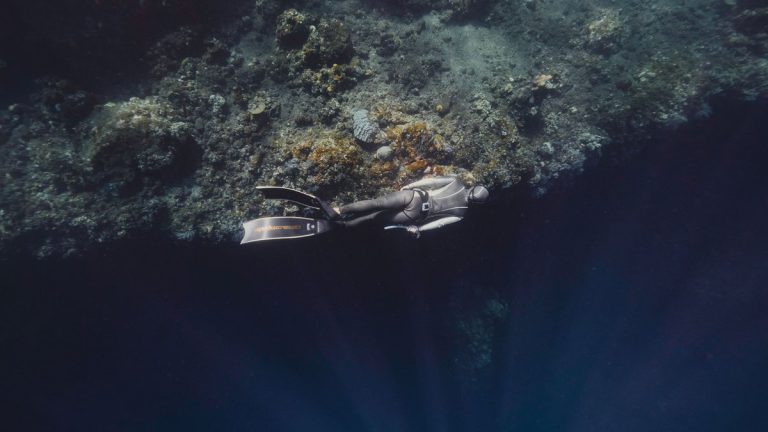
Diving medicine already treats narcosis as a mental-state problem rather than a mere feeling. A Divers Alert Network guide describes nitrogen narcosis as an altered mental state linked to higher partial pressure of nitrogen during depth exposure. The laboratory design in this paper cannot reproduce all features of a real dive, yet it gives researchers a cleaner way to ask which parts of impaired thinking might stay visible when cold exposure stretches on for hours.
That makes the article more about cognition than about water temperature alone. Many field settings combine cold, workload, time pressure and the need to remember changing instructions. If repeated cold exposure creates partial adaptation, planners might assume the worst mental effects will fade with practice. This study argues for a narrower expectation. Practice in the cold may help some functions, while narcosis-like impairment still drags down memory, attention and spatial handling.
One reason the findings are useful beyond diving is the test platform itself. NASA documentation on upgrading cognitive assessment capabilities explains that WinSCAT was built to give flight surgeons objective neurocognitive data across discrete domains. Using that kind of battery in a cold-narcosis experiment helps move the discussion away from vague statements about feeling slowed down. It turns the problem into measurable losses in specific mental operations.
What the study can support and what it cannot
The safest conclusion is focused. In 14 men undergoing repeated 20 C immersions, cold alone briefly reduced memory and learning, then those two measures recovered with repeated exposure, while the nitrous oxide analog kept degrading them and also hurt several other cognitive skills. That is a strong laboratory result about performance under layered stressors.
The paper supports a bounded laboratory claim rather than a universal prediction for every diver or every underwater gas exposure. The normobaric nitrous oxide mixture served as a useful analog because the design isolated narcosis-like cognitive load from the many extra variables present in an actual dive, letting the researchers watch adaptation and impairment pull in opposite directions over the same day.
For training and operational planning, the implication is practical. Repeated exposure may help people feel more adapted to the cold, but feeling steadier does not guarantee that working memory, learning speed or spatial decisions have returned to normal. When jobs in cold water also carry a narcosis risk, the sharpest warning sign may be a person who seems composed yet is quietly forgetting, mislearning or fumbling more than usual.