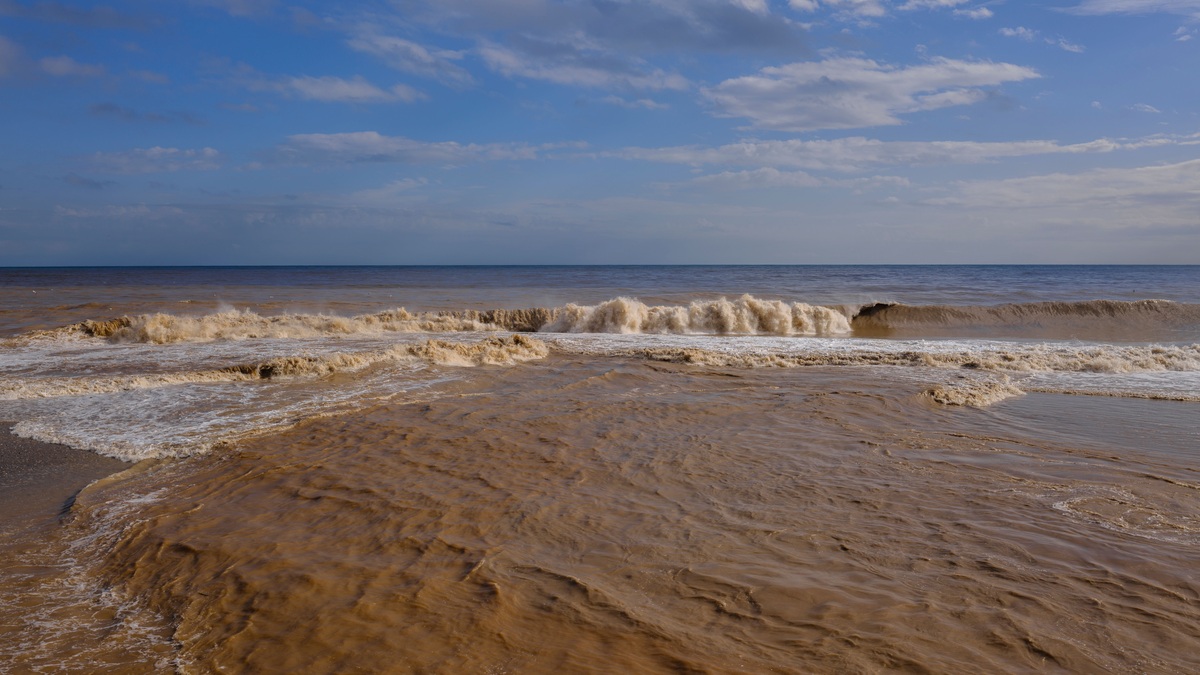
Land-based pollution harms coral reefs when rain and drainage carry sediment, excess nutrients, pathogens or toxic chemicals into coastal water. Corals evolved in relatively clear, low-nutrient conditions, so a muddy plume or chronic sewage leak can disrupt feeding, growth and reproduction. The effects often begin far uphill from the reef itself.
Road building, farming, wastewater and urban stormwater all create pathways from watersheds to the sea. NOAA’s coral pollution overview identifies sediment, nutrients and toxic substances among the most serious land-based stressors, with local geography determining how much reaches each reef.
Sediment blocks light and covers living tissue
Soil eroded from bare slopes or construction sites enters streams during rain. Once it reaches coastal water, fine particles remain suspended and reduce sunlight. Reef-building corals depend heavily on photosynthesis by algae inside their tissue, so prolonged murkiness limits energy supply.
Settled sediment creates a direct physical burden. Polyps expend energy producing mucus or moving particles from their surface. Heavy deposits can smother coral tissue and cover the hard substrate where larvae would otherwise settle.
Some corals tolerate turbid environments better than others and reefs naturally receive sediment during storms. Chronic delivery from disturbed land changes the duration and quantity of exposure. Fine material can also be resuspended repeatedly by waves.
The NOAA Fisheries habitat profile explains why shallow reef builders depend on clean, sunlit water.
Particle size affects both transport and harm. Coarse grains settle near river mouths, while fine clay can travel farther and remain suspended. Mineral surfaces may also carry attached nutrients or contaminants, linking sediment exposure with chemical stress.
Excess nutrients alter a low-nutrient ecosystem
Nitrogen and phosphorus enter coastal water through fertilizer runoff, sewage, septic leaks and animal waste. These nutrients are essential to life, yet reef communities are adapted to relatively low concentrations. An oversupply can favor rapid algal and microbial growth.
Fleshy algae may compete with corals for light and space, especially where grazing fish are depleted. Microbial activity can consume oxygen and alter conditions close to the coral surface. Nutrient enrichment can also increase the severity of some diseases.
The EPA coral threat assessment explains that excess nutrients can encourage algae that block light and use oxygen required by corals. The ecological outcome depends on water flow, herbivory and which forms of nutrients arrive.
Monitoring catches pollution pulses
Clear water can still contain dissolved nutrients, so visual inspection is not enough. Monitoring programs measure water chemistry and track biological indicators such as algal cover.
Sampling after rain is especially informative because a short runoff pulse may be missed by monthly monitoring. Automated sensors record turbidity and flow continuously, while laboratory analysis identifies nutrient forms. Together they reveal how quickly a watershed delivers pollution to the reef.
Biological response can lag behind improved chemistry. Algae established during years of enrichment may persist and old sediment can remain in bays. Managers need enough time to distinguish seasonal variation from a durable benefit after a pollution-control project.
Long records show whether cleaner runoff produces lasting ecological recovery across wet and dry years.
Short surveys can miss delayed improvement.
Sewage can carry pathogens and organic waste
Untreated or poorly treated wastewater contains nutrients, organic matter and microorganisms. Fecal bacteria or parasites can enter reef water through leaking infrastructure, failing septic systems and storm overflow. Disease risk may rise when corals are already stressed by heat.
Organic matter fuels microbial respiration, which can lower oxygen in sheltered water. Wastewater tracers help scientists distinguish sewage from other nutrient sources, allowing repairs to target the correct pipes or groundwater pathways.
Human health is part of the same problem. Contaminated coastal water can make swimming unsafe and affect shellfish harvests. Investment in sanitation therefore protects both reef water quality and communities using the coast.
Groundwater can carry wastewater beneath the surface and discharge through the seabed. A clear stream map will miss that pathway. Tracers such as nitrogen isotopes, salinity patterns or human-associated microbes can help identify hidden sewage influence.
Chemicals affect coral physiology
Pesticides, petroleum products and metals can reach reefs through urban runoff, agriculture or spills. Laboratory studies show that some compounds interfere with coral reproduction, larval development or photosynthesis by symbiotic algae. Field exposure is harder to measure because mixtures and concentrations change through time.
Herbicides are designed to disrupt plant processes and can affect the algae living inside coral. Oil can coat organisms or expose them to toxic components, while metals may accumulate in sediment. Risk depends on dose, duration and the sensitivity of each life stage.
NOAA’s coral pollution tutorial links land clearing, agriculture and coastal development with the contaminants reaching reefs. Preventing release is usually more effective than trying to remove chemicals after they disperse at sea.
Early life stages can be particularly sensitive. A concentration tolerated by an adult colony may still alter fertilization or larval settlement in an experiment. Risk assessment therefore considers coral reproduction alongside visible tissue injury.
Plastic and debris cause physical damage
Plastic bags and fishing line can snag on branching coral. Moving material abrades living tissue and large items block light or trap sediment. Lost fishing gear may continue catching animals while scraping the reef during currents and storms.
Microplastics are small enough to be ingested by some coral polyps and reef animals. Scientists continue to study their long-term biological effects and the importance of associated chemicals or microbes. The presence of particles does not imply the same harm at every concentration.
Plastic debris also provides surfaces for organisms to travel between habitats. Whether that pathway changes disease risk on a particular reef requires evidence, so managers distinguish established physical damage from developing questions about microbial transport.
Removing large debris can prevent immediate damage, but cleanup must be careful. Pulling entangled line without trained divers may break the coral it has wrapped around. Upstream waste management reduces the flow before it reaches sensitive habitat.
Watersheds determine which reefs receive pollution
A watershed includes all land draining toward a common coast. Steep slopes, heavy rainfall and short streams can deliver runoff rapidly to island reefs. Wetlands and vegetated buffers slow water and trap part of the sediment before it reaches the sea.
Scientists map drainage and coastal currents to connect a pollution plume with its sources. Dye tracing or chemical fingerprints can reveal groundwater routes that are invisible at the surface. Such evidence helps prioritize the sites where erosion control or wastewater upgrades will have the strongest effect.
The EPA’s coral protection work uses Clean Water Act programs and watershed screening to address land-based sources. Progress can be measured through lower sediment loads, improved chemistry and biological response on nearby reefs.
Cleaner water gives corals more capacity to recover
Pollution control cannot stop marine heat waves, but it removes stresses that corals can avoid. A colony in clean water may have more energy for growth or reproduction before bleaching and fewer complications afterward. Open settlement surfaces also improve the chances for larvae.
Effective solutions range from stabilizing exposed soil to maintaining septic systems and upgrading treatment plants. Stormwater designs can capture runoff, while careful fertilizer use reduces nutrient loss. The best intervention depends on evidence from the watershed.
Land-based pollution shows that coral conservation extends beyond the shoreline. Roads, farms and neighborhoods are connected to reefs by moving water. Keeping sediment on land and waste out of drainage systems supports the clear coastal conditions that reef builders need.
A reef may respond slowly after pollution falls because old sediment and altered communities persist. Continued monitoring is essential. Cleaner water creates the foundation for recovery, while living coral growth and recruitment determine how much of the ecosystem returns.
Related reading: mesophotic coral ecosystems and artificial reefs.