Explainer

RSS Feed
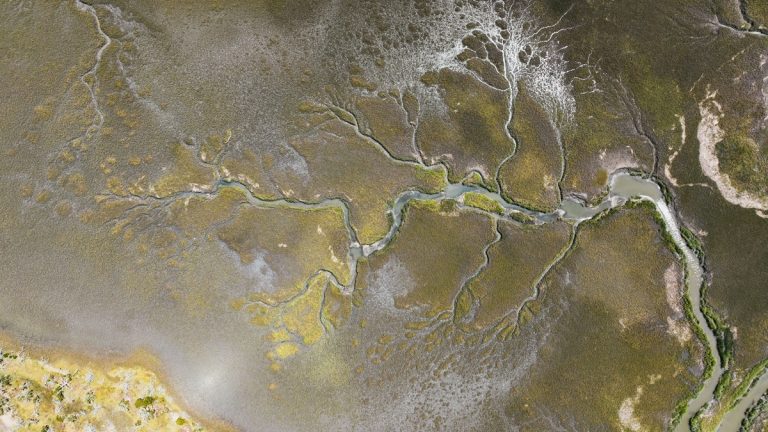
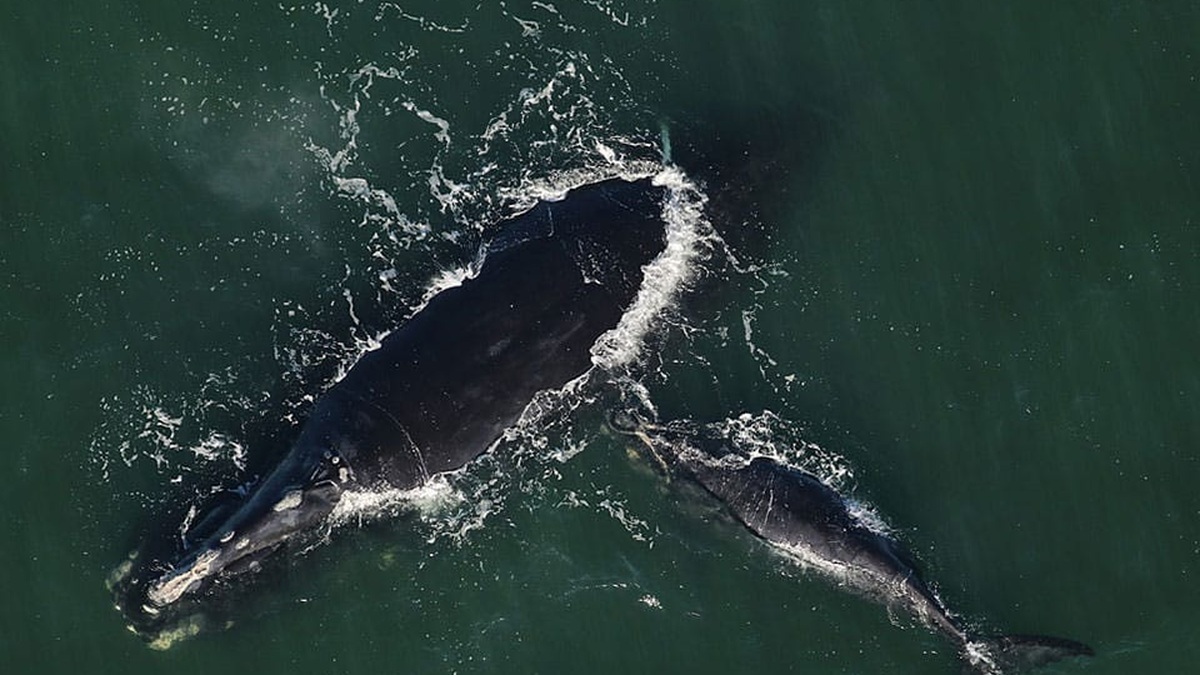
A North Atlantic right whale mother and calf off the U.S. southern coast

Why Is It Called a Right Whale?

Right whales received their name from commercial whalers, who considered them the “right” whales to hunt. They swam slowly, often stayed near the surface and yielded large amounts of oil and baleen. Their bodies also tended to float after death, making recovery easier from small boats. The name preserves the viewpoint of an industry that…

More

More in Explainer

An American alligator resting in sunlight

Can Alligators Live in the Ocean?

American alligators can enter ocean water, but they are freshwater reptiles rather than permanent residents of the open sea. They regularly use brackish marshes and tidal creeks and some cross salty bays or visit beaches. Long exposure to full-strength seawater creates physiological stress because alligators lack the specialized salt glands found in crocodiles adapted to…

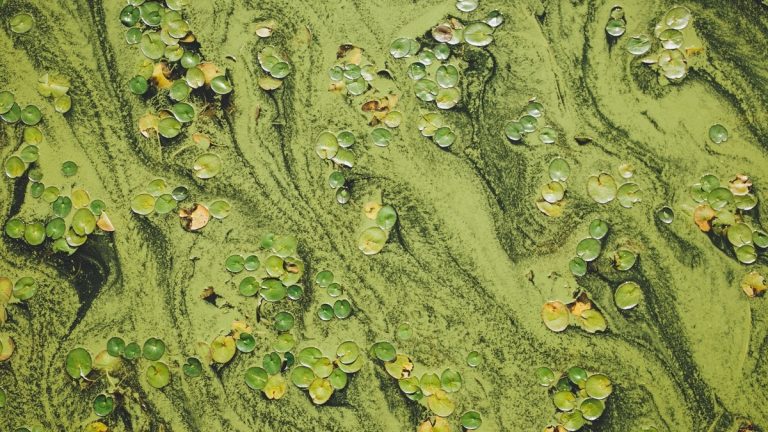
Green_algae_covering_pond_water

What Is Eutrophication?

Eutrophication is the enrichment of water with nutrients that increases the production of algae and aquatic plants. The process occurs naturally as lakes age and accumulate material, but human nutrient inputs can accelerate it dramatically in lakes, estuaries and coastal seas. Rapid eutrophication can block light, alter food webs and consume dissolved oxygen when organic…

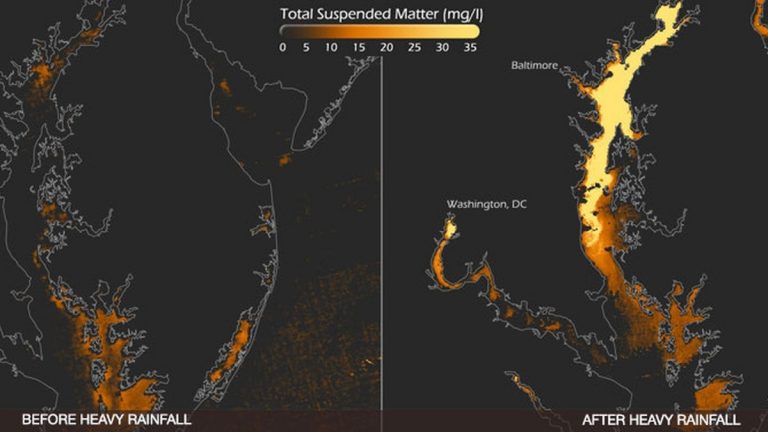
Satellite visualization of suspended matter entering Chesapeake Bay before and after heavy rainfall

What Is Nutrient Pollution?

Nutrient pollution occurs when excess nitrogen or phosphorus enters water and accelerates the growth of algae and aquatic plants beyond what an ecosystem can absorb. Both elements are essential to life. The problem begins when their concentration and delivery upset the balance among producers, consumers and decomposers. Runoff from farms and cities is a major…