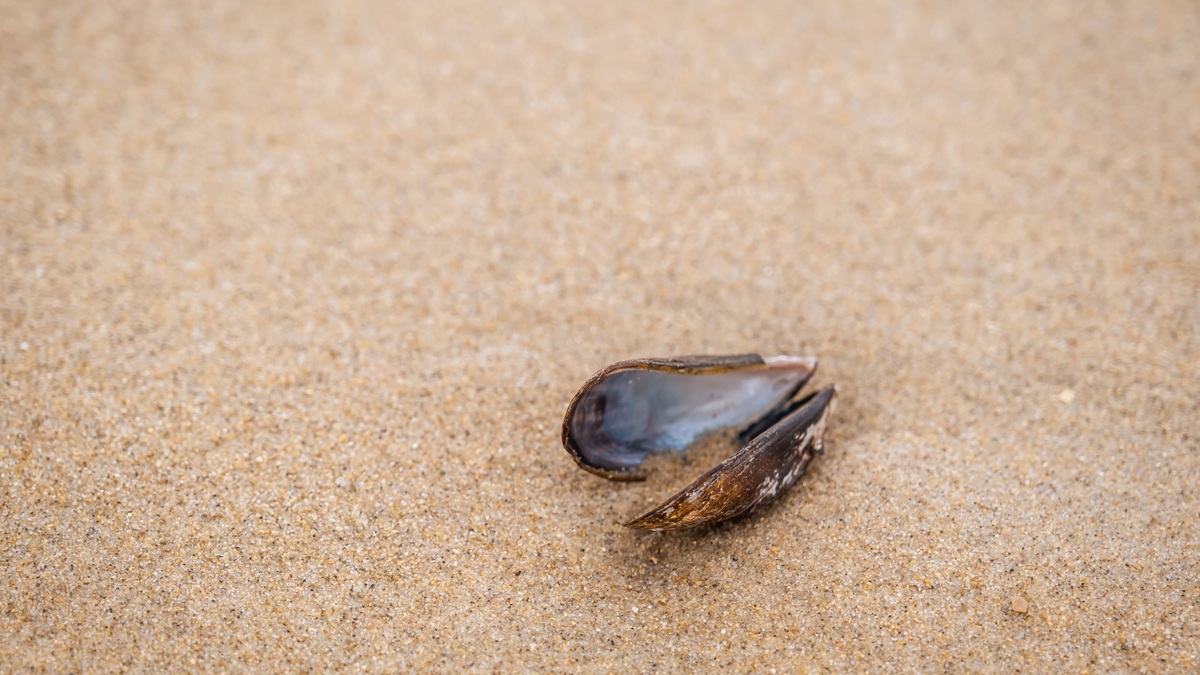
A bivalve is a soft-bodied mollusk enclosed by two shell halves, called valves, joined at a hinge. Clams, oysters, mussels and scallops belong to the group. Most live in water and feed by moving water across their gills, which collect oxygen and often capture microscopic food.
NOAA’s bivalve overview describes roughly 9,200 species across marine environments from shorelines to the deep ocean. Freshwater mussels and clams extend the group into rivers and lakes. Their familiar shells protect an animal with a heart, digestive system, gills, mantle, muscles and, in many species, a muscular foot.
Two valves define the class Bivalvia, but their forms vary widely. Oysters grow irregular shells cemented to hard surfaces. Razor clams burrow through sand, whereas scallops rest above the bottom or swim briefly. Some deep-sea species live near hydrothermal vents. Their shared body plan has been modified for attachment, burial, swimming and life in both fresh and salt water.
Two valves protect one soft body
The valves meet along a dorsal hinge. An elastic ligament tends to open them, while one or two strong adductor muscles pull them shut. Hinge teeth may keep the halves aligned. Closing helps resist predators, drying at low tide and sudden changes in surrounding water, although a sealed animal has only a limited oxygen supply.
A thin tissue called the mantle lines the shell. Its edge deposits calcium carbonate and proteins, enlarging the valve as the animal grows. Growth lines can record seasonal changes, but reading age from them requires care because stress may add extra lines and shell edges can erode.
Bivalves lack the distinct head and scraping radula found in many other mollusks. Their body is compressed between the valves. Siphons draw water in and send it out in many burrowing species. A clam’s foot anchors and pulls the animal through sediment, while mussels attach with tough byssal threads. Scallops can clap their valves and swim in short bursts.
The hinge records how the shell grows around the soft body. New material is added mainly at the margin, while the mantle can thicken the interior. A hard outer layer resists wear and an inner nacreous layer occurs in some groups. When a grain or parasite irritates mantle tissue, certain species deposit shell material around it; only a small subset of bivalves produces pearls valuable to people.
How filter feeding works
Tiny cilia create a current that carries water over broad gill surfaces. The gills exchange gases and trap suspended particles in mucus. Cilia move suitable particles toward the mouth, while heavier sediment and rejected material are packaged and expelled. Phytoplankton commonly supplies much of the food.
The Smithsonian Ocean explains that bivalves sort microscopic particles, including plankton and detritus. Filtration rates depend on species, size, temperature, food concentration, salinity, oxygen and disturbance. An animal may close during poor conditions, so simple laboratory rates should not be applied blindly to an entire bay.
Because they process suspended material, dense bivalve beds can make water clearer and transfer particles to the bottom. Clearer water may improve light for submerged plants. Nutrients are incorporated into tissue and shell or returned in waste. The result depends on water flow and population size; bivalves do not remove every contaminant.
Filter feeding can concentrate microbes, algal toxins, or chemical pollutants in edible tissue. Public-health agencies monitor harvest waters and close areas when conditions are unsafe. Cooking reduces some biological hazards but does not reliably destroy every marine toxin. Harvesters should follow local closures rather than judging safety by appearance.
Bivalves build habitat and feed other animals
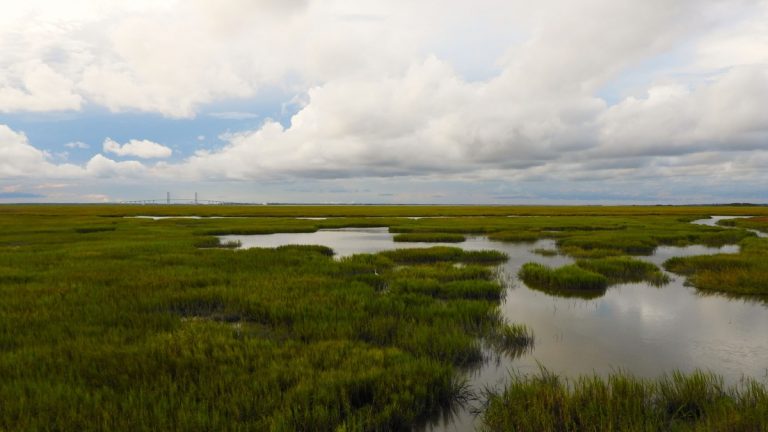
Oysters cement together into reefs and mussels form beds bound by byssal threads. Their shells add hard surfaces and crevices used by worms, crabs, fishes and attached organisms. Even empty shells persist as habitat and help stabilize sediment. A living reef can reduce small waves and protect marsh edges under suitable conditions.
Bivalves are also prey. Sea stars pull at valves while snails drill through shells; crabs crush the edges. Birds, fish, rays and people consume them. Shell thickness, burial, rapid closing, camouflage and group living offer different defenses, but no strategy works against every predator.
Reproduction varies. Many species release eggs and sperm into the water, producing drifting larvae before juveniles settle. Others brood young. Larval survival depends on currents, food, chemistry and finding the right bottom. Connectivity between reefs may therefore hinge on circulation during a short reproductive period.
Oyster reefs can grow vertically as young oysters settle on older shells. The raised structure reaches water with more oxygen and food while providing refuge below. If harvest removes shell faster than it accumulates, the reef can flatten and become vulnerable to sediment burial. Restoration programs often return clean shell or stable substitute material to rebuild that settlement surface.
Freshwater mussels show another ecological relationship. Larvae of many species temporarily attach to a suitable host fish, which carries them before they detach and settle. Dependence on particular fishes can restrict mussel distribution even where water and sediment seem favorable. Dams, pollution and fragmented fish routes can therefore interrupt the mussel life cycle indirectly.
Why bivalves matter to people and science
Wild harvest and aquaculture provide food and income around the world. Farms grow oysters, mussels, clams, or scallops using bottom plots, racks, bags, lines and cages. Site choice affects growth and environmental interactions. Clean water, suitable salinity and disease management are crucial for both farms and surrounding ecosystems.
Restoration projects rebuild oyster reefs to recover habitat and filtration where historical populations declined. Managers often add clean shell or reef structures and protect young oysters from harvest; they also monitor recruitment. Restoration cannot compensate for persistent pollution, low oxygen, or disease, so watershed and fisheries management remain part of the work.
Shell chemistry can archive conditions during growth. Researchers analyze layers for temperature clues, trace elements and pollution histories. Bivalves are also used as sentinel organisms because they stay in one area and accumulate certain contaminants. Interpretation needs local baselines and knowledge of each species’ biology. Shellfish safety depends on monitoring because filtration can concentrate hazards that people cannot see or smell. Harmful algal blooms may produce toxins that persist in tissue and sewage can introduce disease-causing microbes. Authorities sample water and shellfish, classify harvest areas and issue closures. NOAA Fisheries’ bivalve summary explains how gills capture plankton as water is pumped through the body, the same process behind this exposure risk.
Acidifying water can make calcium carbonate harder to build, especially for young stages, although sensitivity differs among species and locations. Temperature affects metabolism and disease, while low oxygen can force closure or cause mortality. Farmers and restoration teams monitor those conditions alongside growth. Selective breeding may improve resistance to specific diseases, but genetic diversity remains important for adaptation.
A two-part shell is the defining feature, yet bivalves are more than shells on a beach. They pump water and move particles; in the process, they create habitat while supporting food webs and recording environmental change. The group succeeds in habitats ranging from wave-washed rock to mud, freshwater streams and hydrothermal-vent surroundings thousands of meters deep. Because a living bivalve connects the water column with the bottom, its effects depend on density and setting. A healthy bed can process large amounts of suspended material, but overcrowding or weak circulation can increase waste on the seabed. Measuring flow, food, oxygen and carrying capacity helps managers match aquaculture or restoration density to the site instead of assuming that more shellfish always brings greater benefit.
Related reading: pelagic and benthic zones and abiotic factors in the ocean.