Nature

RSS Feed

Warming trends, resilience, forecasting, and the data behind a changing climate.

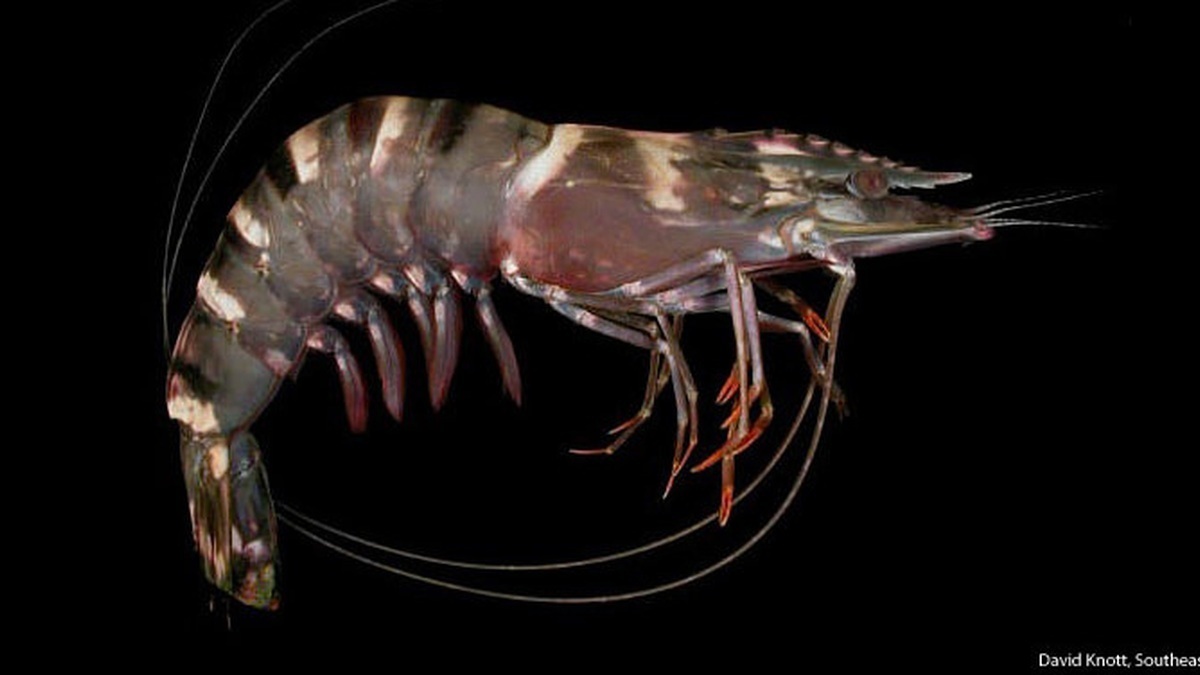
An invasive Asian tiger shrimp

Why Are Asian Tiger Shrimp a Coastal Threat?

Asian tiger shrimp are a coastal concern because they grow larger than native U.S. shrimp, eat other invertebrates and can carry pathogens that affect crustaceans. Their presence does not prove that they have caused ecological damage in every location. It creates a credible risk that agencies monitor before impacts become difficult to reverse. The species,…
More

More in Nature

An invasive lionfish swimming near a coral reef

Why Are Lionfish a Threat in the Atlantic?

Lionfish threaten Atlantic reefs because they are efficient Indo-Pacific predators living far outside their native food webs. They eat young fish and crustaceans, reproduce frequently and occupy habitats from shallow reefs to deep hard bottom. Local predators and parasites have not kept their numbers low enough to prevent ecological damage. The invasion spans the western…

Frozen_lake_in_winter

Where Do Fish Go When a Lake Freezes?

Fish remain in liquid water beneath a frozen lake. Ice forms at the surface and floats, insulating the water below from colder air. Most fish move into deeper or more stable habitat, reduce their activity and survive on oxygen already dissolved in the lake until spring mixing restores stronger exchange with the atmosphere. The safe…

An American alligator resting in sunlight

Can Alligators Live in the Ocean?

American alligators can enter ocean water, but they are freshwater reptiles rather than permanent residents of the open sea. They regularly use brackish marshes and tidal creeks and some cross salty bays or visit beaches. Long exposure to full-strength seawater creates physiological stress because alligators lack the specialized salt glands found in crocodiles adapted to…