Thirty-seven scuba divers entered a one-week course with stress scores much like those of 30 people who chose other vacation sports. By the end, both groups reported better mood. One month later, the clearest lasting stress change belonged to the divers.
A Frontiers in Psychology study published in 2017 compared a recreational diving group with a multisport group during UCPA courses in France. The paper, by Frederic Beneton, Marion Trousselard and colleagues, asked a simple question with a cautious answer: can scuba diving support stress management in healthy adults?
The answer points toward a possible benefit, with important limits. The study was open, noncontrolled and nonrandomized and the people who picked diving differed from those who picked the multisport course. Even so, the one-month follow-up gives the trial a useful clue: perceived stress stayed lower among the divers who returned the final questionnaires.
How the course was tested
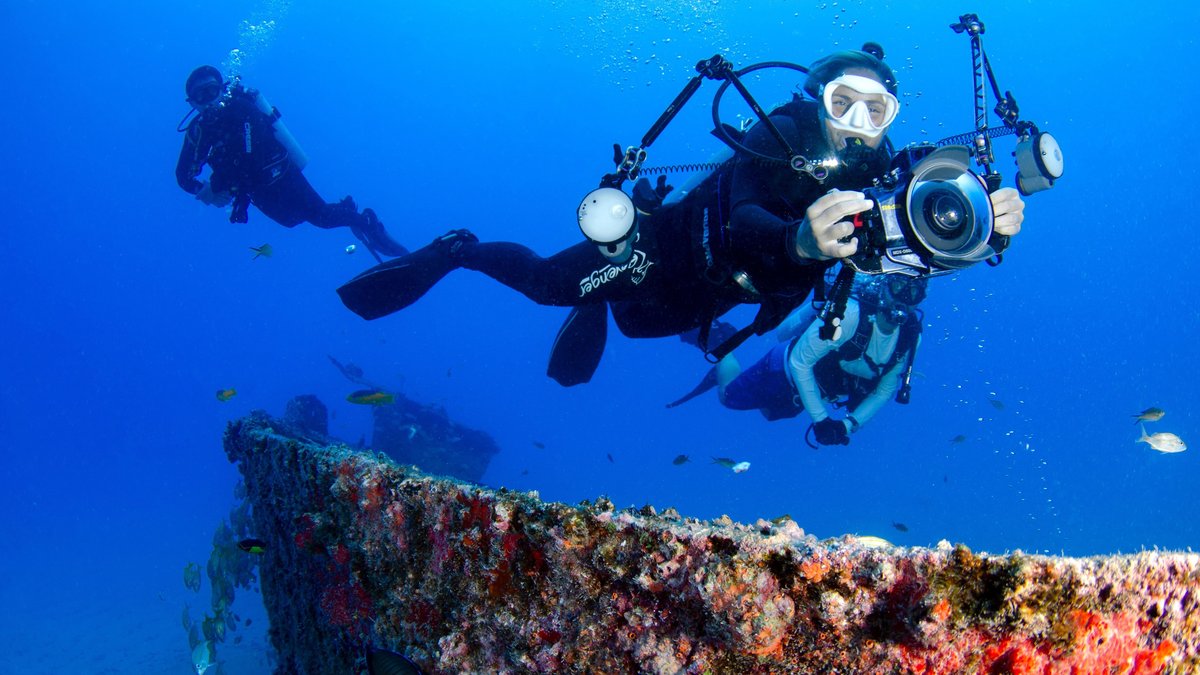
The research team compared 37 recreational divers with 30 multisport participants. Both groups completed one-week UCPA courses that included six days of activity. Divers used air, with dives reaching a maximum depth of 40 meters and no more than two dives a day. The multisport group took part in activities such as kayaking, mountain climbing and hiking, also with no more than two activities a day.
Before and after the courses, participants filled out paper questionnaires about stress, mood, well-being, mindfulness and body connection. For stress, the study used the Perceived Stress Scale, a 14-item questionnaire that asks people how stressful their life feels. Higher scores mean stronger perceived stress.
Divers also had a third assessment one month after the course. The multisport group had baseline and post-course measures only, so the later comparison applied only within the diving group. Among the divers, 18 of 37 people returned the one-month questionnaires, which made the follow-up small.
At the start, both groups had many people above a clinical stress threshold used by the study. The paper reported 83.78 percent of the divers and 96.67 percent of the multisport group above that level at baseline. The groups were similar on many psychological measures, although the divers had higher activity-vigor scores and lower body-consciousness scores before the courses began.
What changed after a week
Perceived stress dropped significantly after the diving course. The multisport course showed no significant change in perceived stress by the same before-and-after test, although both groups had mood improvements. The authors summarized the result carefully, writing that “the health benefits of recreational diving appear to be greater” for reducing stress and improving well-being.
Numbers beneath the headline were more mixed than a simple win-loss comparison. The study found a course effect for perceived stress, yet the size of the drop did not differ significantly between the two groups in the group comparison. Five divers moved below the stress threshold after the course, while two people in the multisport group did so.
The mood results showed why the paper stayed cautious. Scores for tension-anxiety, depression, anger and confusion decreased in both groups. Well-being increased in both groups as well. A week away from work, combined with active days and social routines, likely helped many participants feel better regardless of the sport they chose.
The diving group had a different pattern on some secondary measures. Global mindfulness functioning increased after both courses, but divers also showed stronger acceptance and lower bodily dissociation. In plain terms, the diving course may have helped some participants feel more connected to present sensations and less detached from their bodies.
Why diving may feel different
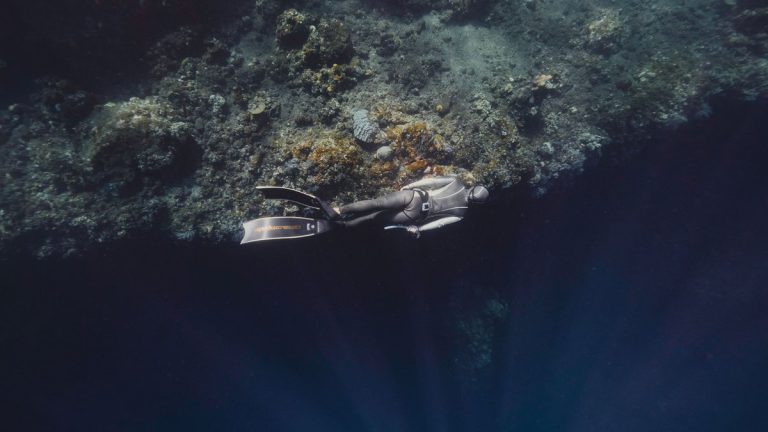
Scuba diving makes attention hard to scatter. A diver must monitor breathing, equipment, buoyancy, depth and the buddy nearby. The paper noted similarities between diving and mindfulness practice because the activity encourages open monitoring with slow, ample breathing.
Breathing may be one reason the researchers saw a different signal in the diving group. Underwater, the pressure regulator encourages deep, steady respiration. Slow breathing can affect the body’s stress response through the autonomic nervous system, the system that helps regulate heart rhythm, arousal and recovery after strain.
Body sensation is another possible route. During a dive, the whole body receives unusual feedback from water pressure, floating movement and changes in posture. The study discusses proprioceptive and somesthetic stimulation, which means information from muscles, joints, skin and body position. For a general reader, the idea is simpler: diving gives the brain a strong stream of body signals that may support body connection.
Depth also received a cautious mention. Some divers went deeper than 30 meters, where nitrogen narcosis can occur and half reported reaching a depth where narcosis may happen. The authors could only raise depth as a possible factor, because the psychological data in the exploratory trial could not identify which part of diving produced the stress change.
Safety remains central to any discussion of recreational scuba diving. The study did not present scuba as a casual treatment anyone should try without screening or instruction. Diving requires training, reliable equipment, attention to rules and medical caution for people with conditions that can make underwater activity risky.
What the one-month result shows
One month after the course, the divers who returned questionnaires still had lower perceived stress than they had at baseline. The paper reported a significant session effect for stress, with baseline scores higher than scores at the end of the course and higher than scores one month later. Scores at the end of the week and one month later did not significantly differ.
Tension-anxiety and bodily dissociation also showed signs of persistence, although the one-month results for those measures were weaker. Tension-anxiety tended to remain lower and bodily dissociation also tended to remain lower, but the reported follow-up p values were above the usual cutoff for significance.
The one-month detail gives the trial its most interesting psychology angle. Many holiday effects fade after people return to ordinary life. In this sample, the divers who answered the final survey kept a lower stress score for at least a month, which suggests that the course may have left a trace beyond a pleasant week away.
Follow-up attrition limits that interpretation. Only 48.65 percent of the divers completed all three questionnaire sessions. People who felt the greatest benefit may have been more likely to answer later, a possibility the authors recognized. The multisport group lacked a one-month follow-up, so the study cannot say whether other sports might also have shown a delayed or lasting stress benefit.
Why the evidence stays exploratory
The study’s design makes the findings useful but preliminary. Participants chose their courses, so the trial lacked random assignment. The groups also differed in basic makeup: the divers were mostly middle-aged men, while the multisport group was mainly younger women. Differences in age, sex, diving interest and vacation expectations could have affected the results.
The authors also pointed to the “break effect”, meaning the mental lift that can come from leaving work routines during a vacation period. A week of sport, social contact and time away from normal pressures can change mood scores. The diving signal remained interesting because perceived stress fell in the diving group and stayed lower in the follow-up sample, yet the vacation setting still complicates the cause.
Daily activity time could not be compared exactly between the diving and multisport courses. Weather during the diving courses was good enough for all dives to happen, but the exact physical load, challenge and rest pattern may have differed between groups. The study also relied on self-report questionnaires rather than biological stress measures.
For now, the clearest reading is conservative: scuba course stress results from this small trial support further research into diving, breathing and body awareness as possible stress-management tools. Larger randomized studies, with matched groups and follow-up for all activities, would be needed before anyone could treat the result as firm evidence for broad mental-health advice.
The study still adds a human detail to the science of stress. Physical activity often improves mood, but different sports may leave different mental traces. In this trial, a structured week underwater, built around breathing, attention and body awareness, was linked with lower perceived stress one month later among the divers who completed follow-up.