Space

RSS Feed

Orbital science, astronomy, remote sensing, and what lies beyond the atmosphere.

Astronaut conducting a spacewalk with Earth in the background, showcasing outer space exploration

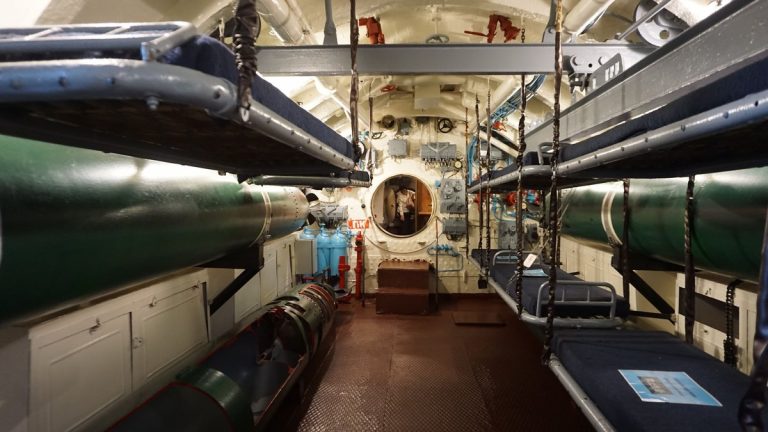
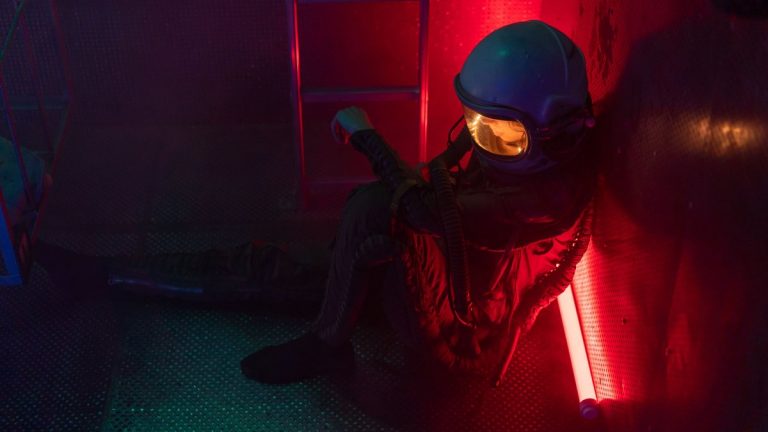
Thirty-two astronaut-like volunteers spent one or two weeks inside NASA’s HERA habitat and after a partially sleepless night their accuracy with human facial emotions fell first, hinting that short sleep loss in confinement can disturb social judgment before many other mission skills show the same strain

Thirty-two volunteers who lived through eight short NASA HERA missions gave researchers a close look at what happens when confinement and sleep loss meet in the same spaceflight-style setting. One result stood out quickly. After a partially sleepless night in the first campaign, participants became less accurate at reading facial emotions, even though many other…

More

More in Space

An astronaut working outside a spacecraft above Earth

Twenty-five astronauts took 10 thinking tests before, during and after 6-month ISS missions and most scores stayed steady while early flight slowed attention, working memory and some processing speed tasks

Twenty-five astronauts completed a broad set of cognitive tests across five mission phases tied to roughly six months aboard the International Space Station and the main result was reassuring: overall performance stayed fairly stable. The clearest changes appeared early in flight, when a few tasks that depend on quick responses, working memory and sustained attention…

A propeller airplane mid-flight against a clear blue sky, captured from below

Eighteen people played Pac-Man while tracking odd tones through 25 parabolic arcs and weightlessness left the main game intact while errors rose on the secondary task, revealing how attention can narrow even when primary performance looks steady

Weightlessness exposed a hidden slip A study in Scientific Reports followed 18 participants as they worked through a dual task during parabolic flight, the aircraft maneuvers that briefly create microgravity. The volunteers played a modified Pac-Man game as their main job while also listening for rare high tones in an auditory oddball test. Across 25…

The International Space Station orbiting above Earth

Twenty-two astronaut-like volunteers breathed four carbon dioxide levels for less than three hours and the sharpest drop in decision-making appeared at 1,200 ppm before higher concentrations produced no clear step-by-step decline across the study’s cognition measures

Twenty-two people in a chamber at Johnson Space Center breathed air with four different amounts of carbon dioxide and the most striking dip in performance came at 1,200 ppm. The finding drew attention because the study did not show a simple pattern in which each higher level produced worse results. The work came from a…