Six men living inside a sealed Mars simulator slowly changed how they judged disturbing pictures. As the 520-day experiment continued, novel images of accidents, illness and other unpleasant scenes received more positive ratings. Changes in mood and blood hormones followed their own stages, with some of the strongest signs appearing late in the mission.
The findings came from the PLOS ONE study led by Yue Wang and colleagues. The researchers used the Mars500 experiment to examine how long isolation could influence emotional judgment, mood and the body’s response to stress.
Future Mars crews may spend many months inside a small spacecraft, far from immediate help and separated from Earth by long communication delays. The Mars500 results suggest that mental strain may rise and fall in stages. Mission planners may need to change workloads, activities and crew support as each stage arrives.
Inside the Mars500 mission
Mars500 began on June 3, 2010 and ended on November 4, 2011. Three Russian crew members joined two Europeans and one Chinese participant inside a spacecraft-like facility at the Institute of Biomedical Problems in Moscow. All six participants were men and they had been selected for their health, professional backgrounds and ability to work in an international team.
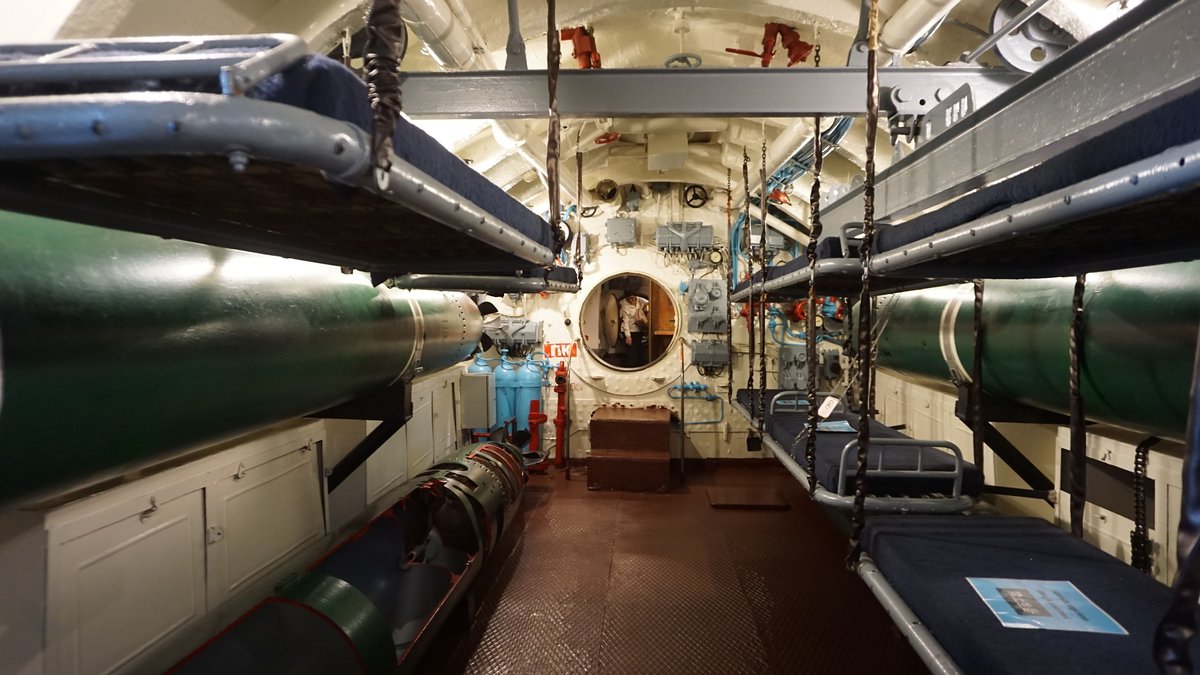
The sealed complex copied many parts of a voyage to Mars. The crew followed a weekly work schedule, ate food similar to meals used aboard the International Space Station and communicated with mission control through a delay designed to resemble deep-space conditions. A section of the habitat also served as a landing module for a simulated visit to the Martian surface. ESA’s mission overview describes the chamber and its role in studying long confinement.
Life inside remained physically safe and carefully controlled, yet the social limits were real. Crew members could meet only one another face to face. Personal messages arrived through electronic communication, while fresh air, outdoor space and direct contact with family remained beyond the sealed doors for 17 months.
How the crew rated emotional images
Researchers used the International Affective Picture System, a collection of photographs designed for emotion research. The pictures included pleasant scenes such as families and babies. Other images showed household objects or neutral faces, while unpleasant pictures included snakes, bleeding, illness and disasters.
Each crew member completed eight image-testing sessions during confinement. In every session, he viewed 50 pictures on a laptop. Fifteen images returned during every test, while 35 images were new. Each photograph remained on the screen for six seconds, followed by time for the participant to record his response.
The crew rated every image on two nine-point scales. One scale measured valence, which describes how pleasant or unpleasant something feels. The other measured arousal, meaning the strength of the emotional reaction, from calm to highly excited. The repeated and novel image groups allowed the researchers to compare familiar scenes with pictures the crew had never seen before.
Unpleasant pictures seemed more positive
The clearest result appeared in ratings of new unpleasant pictures. As the mission continued, crew members gave some of these images higher valence scores. The gap between unpleasant and pleasant pictures became especially narrow around days 366 and 421, although comparisons at those individual time points narrowly missed the study’s statistical threshold.
Wang and colleagues described the overall finding by writing that “the confined crew tended to assign positive ratings to negative pictures with time.” The positive rating bias appeared across most of the crew, which reduced the likelihood that one unusual participant had produced the result.
Repeated unpleasant pictures followed a steadier pattern. Their ratings stayed lower than ratings for neutral and pleasant scenes. Arousal ratings also remained stable in both image groups, suggesting that the main shift concerned how the crew judged the emotional value of new unpleasant material.
The researchers proposed that this change could reflect a defensive response to long stress. A person facing months of confinement may begin to soften the emotional meaning of disturbing information. Such a response could reduce immediate discomfort, while also serving as a sign that the person’s mental state is changing.
Mood changed in stages
Before viewing the pictures, each participant completed the Profile of Mood States, a 65-question survey commonly used to track psychological well-being. It measured feelings linked to tension, depression, anger, fatigue, confusion and personal energy. The researchers combined several scores into a total measure of mood disturbance.
Energy, recorded as vigor-activity, changed significantly during the 520 days. Vigor and total mood disturbance both reached extreme values around day 366, although the total mood score did not show a statistically significant change across the full experiment. The small crew made subtle effects difficult to confirm.
Interviews and a crew log added a human view of the numbers. Early enthusiasm lasted about two or three months as the participants adjusted to their tasks and new surroundings. Monotony and low motivation later became more common. Social time decreased and several crew members spent more free time alone in their private cabins.
Near the final months, communication and shared entertainment began to increase again. The crew could see the end of confinement approaching. At the same time, impatience with new requests and disagreements within the team became more frequent, which suggests that relief and sensitivity could rise together.
Hormones tracked the strain
Blood samples gave the team another way to follow adaptation. Samples were taken in the morning before breakfast, usually close to the days used for the picture tests and mood surveys. Researchers measured cortisol, dopamine, serotonin and norepinephrine. Each chemical has a role in the body’s response to stress, alertness, mood, or motivation.
Serotonin and norepinephrine rose strongly between about day 168 and day 300. Their increase occurred near the simulated Mars landing period, which ran from day 244 to day 272. Norepinephrine later declined, although it remained above the levels measured during the earliest sampling points.
Cortisol fluctuated and reached its highest level on day 510, close to the end of confinement. Dopamine showed a near-significant decline around day 249 and then remained fairly stable. ESA’s description of the project’s scientific protocols shows how psychological monitoring formed part of a wider effort to study the body during isolation.
Several hormone changes were linked with mood scores and ratings of novel unpleasant images. Depression, fatigue, vigor and total mood disturbance showed associations with some of the blood measurements. The correlations support a connection between emotional judgment and physical stress responses, while the study design leaves the direction of cause uncertain.
The difficult third quarter
Long expeditions sometimes follow a pattern called the third-quarter phenomenon. Morale begins strongly, weakens after the halfway point and improves as the end comes into view. Researchers have reported similar stages among some Antarctic teams, although earlier studies have produced mixed results.
Mars500 showed a broadly similar path. The crew began in a fairly stable state. Clearer psychological and hormonal changes appeared around the midpoint, followed by stronger shifts during the third quarter or early in the fourth. The size of the fluctuations later moved closer to the early mission pattern.
The calendar can carry a heavy psychological weight during confinement. Reaching the midpoint confirms how much time has passed, while also revealing how much remains. After the simulated landing, the crew still faced many months inside the same rooms, eating familiar food and repeating experiments under limited contact with Earth.
ESA and the Institute of Biomedical Problems had already built experience through earlier isolation studies. Mars500 extended that work across the length of a possible round trip to Mars, giving researchers a rare view of psychological changes over more than a year.
Mars landing tasks lifted motivation
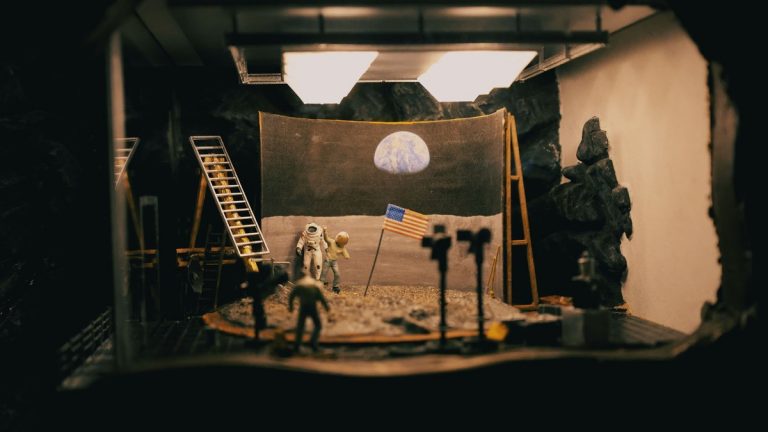
The simulated Mars landing interrupted the mission’s long routine. Three crew members entered the landing module and carried out surface activities. Their tasks included working with supplies, wearing special equipment, performing a mock spacewalk and driving a robotic detector.
New demands brought energy back into the mission. Crew accounts described greater enthusiasm during the landing period, even though the activities also created stress. The rise in serotonin and norepinephrine occurred around the same time, which the researchers linked with active coping and renewed motivation.
Once the landing campaign ended, repeated experiments and daily routines again filled the schedule. The study suggests that well-timed challenges may help crews stay engaged. Activities would need clear goals and enough variety to stimulate interest without creating unsafe fatigue.
A real Mars mission will contain natural changes in workload, including navigation events, scientific operations and preparation for arrival. Planners could also schedule fresh projects during quieter months. Creative work, training exercises, or rotating responsibilities may give a crew a stronger sense of progress during the longest parts of the flight.
Limits of a six-person experiment
The study’s greatest limitation was its small sample size. Six people provide only a narrow view of how future astronauts may respond. All participants were men and individual personalities can strongly influence mood, teamwork and coping during isolation.
Mars500 also lacked a control group living outside the chamber under the same testing schedule. Special events, repeated questionnaires, workloads and personal experiences could have influenced the results. The researchers considered time in confinement the main factor, although the experiment could not separate every possible cause.
Blood sampling and psychological testing occurred on nearby dates rather than the exact same days. Limited plasma meant each sample was tested only once for each measure. A larger supply would have allowed repeated laboratory checks and stronger estimates of measurement reliability.
The chamber reproduced confinement, communication delay and a detailed mission schedule. Weightlessness and deep-space radiation remained outside its design. A spacecraft traveling to Mars would expose its crew to physical conditions that could also affect sleep, brain function and emotional control.
Lessons for future Mars crews
Mission doctors may gain more useful information by following several signs together. Mood surveys can reveal how astronauts describe their feelings, while sleep records and activity levels can show changes in daily behavior. Hormone measurements may add a physical signal when interpreted with care.
Timing will be central to psychological support. A crew may need different help during the excitement of departure, the quiet months of travel and the long period after a major mission event. Support plans could include private contact with family, shared recreation and access to trained mental health specialists through delayed messages.
The Mars500 team advised paying close attention to both the third and final quarters of a long mission. Low mood and monotony may become stronger after the midpoint. Sensitivity and conflict may increase later as the crew prepares to return, even while general morale begins to recover.
Post-mission care also forms part of the process. ESA continued monitoring its participants after the habitat opened, as described in its account of life after Mars500. Future astronauts will need time to readjust to Earth, reconnect with family and recover from the demands of living within a small group for hundreds of days.
Mars500 showed that a crew could complete a 520-day period of controlled isolation. Its emotional-image tests also revealed a quieter change beneath the successful mission schedule. As months passed, the crew’s judgment of unpleasant scenes shifted alongside mood and hormone patterns, offering mission planners a possible early signal of growing psychological strain.