Oceans

RSS Feed

Ocean science news, explainers, and statistics covering marine environments, currents, climate, coasts, seafloor research, and the changing global ocean.

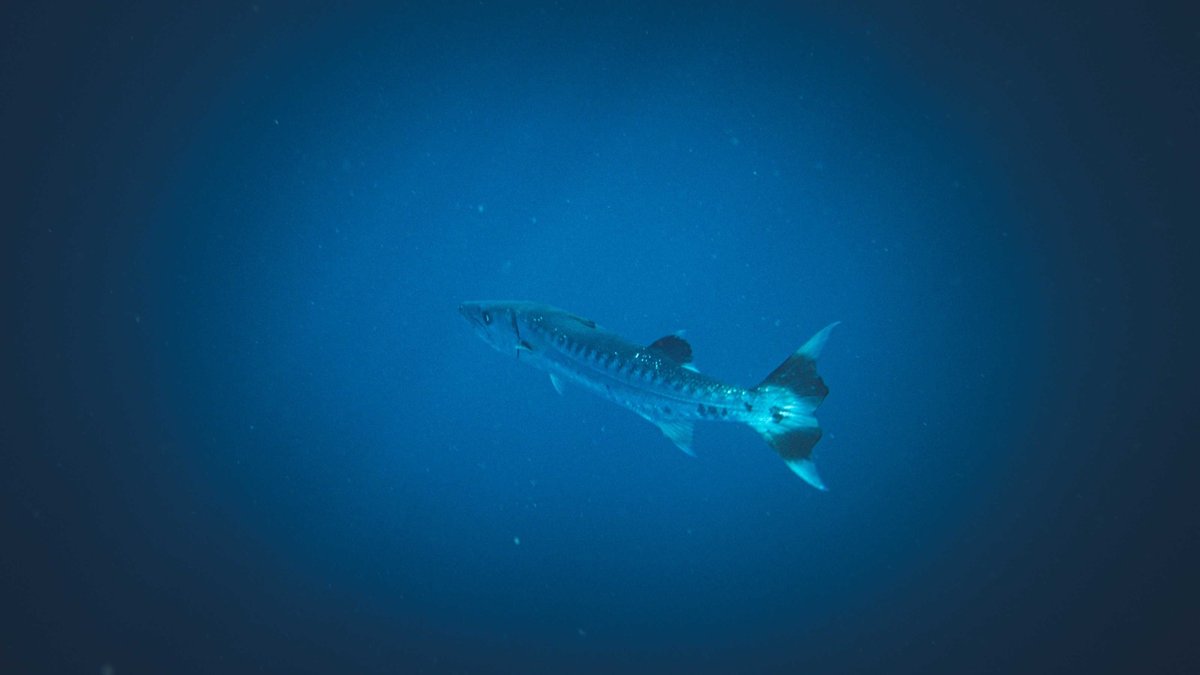
A lone great barracuda swimming gracefully in deep blue ocean water

In 1934 William Beebe and Otis Barton descended 3,028 feet off Bermuda inside the cable-hung Bathysphere and their telephone reports of luminous animals opened a view of the deep ocean that no person had previously seen alive

The stakes were plain as the small sphere dropped beneath the Atlantic off Bermuda in 1934. At 3,028 feet, the sea pressed against its hull with a force that could turn a small failure into disaster. Inside, William Beebe and Otis Barton watched through thick windows, spoke to colleagues above and entered an ocean realm…
More

More in Oceans

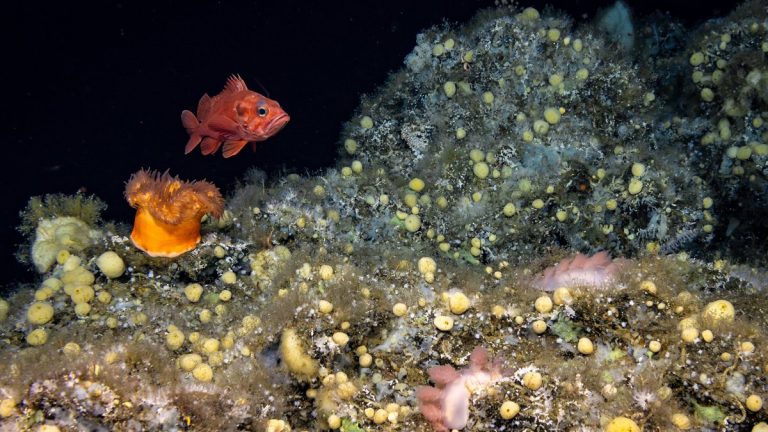
Video captured during NOAA Ocean Exploration’s remotely operated vehicle dives provides a glimpse into life in the deep sea. Annotations help us better understand that life. In this screenshot from a dive on Surveyor Seamount during the Seascape Alaska 5 expedition (Dive 05), annotators identified a variety of marine life, including a red rockfish ( Sebastes melanostictus ), two pink nudibranchs ( Dendronotus sp.), an anemone ( Actinostola sp.), some rare unknown demosponges, and more. Image courtesy of NOAA Ocean Exploration, Seascape Alaska. Download largest version (jpg, 7.6 MB) .

NOAA opens a new pathway to deep-sea records

NOAA Ocean Exploration’s July 9 announcement opens a larger window onto life far below the ocean surface. The agency has placed biological occurrence annotations from NOAA Ship Okeanos Explorer expeditions into the Ocean Biodiversity Information System, called OBIS and the Global Biodiversity Information Facility, or GBIF. The July release brings observations and samples from three…

Thousands of idle ships in Hormuz raise a global bioinvasion warning

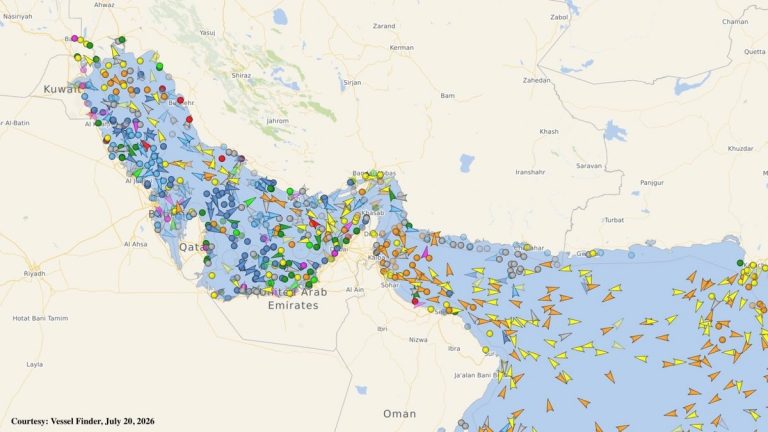
Thousands of idle ships in Hormuz raise a global bioinvasion warning

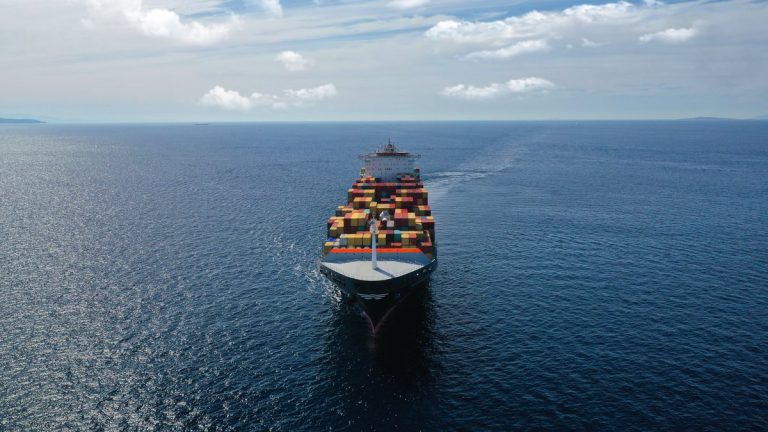
A July 2026 study in Biological Invasions warns that the long lay-up of commercial ships after the Strait of Hormuz closure could create a rare chance for marine life to hitchhike around the world. The international team, led by the University of Maryland Center for Environmental Science, describes a possible bioinvasion super-spreader event if heavily…

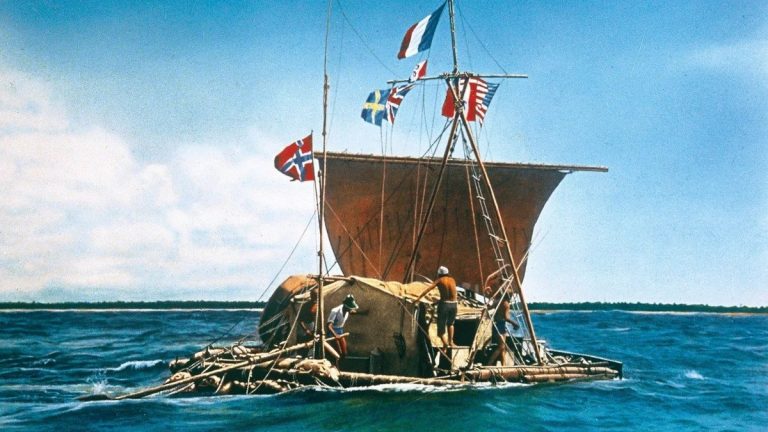
In 1947 six men left Callao on the balsa raft Kon-Tiki and crossed the Pacific for 101 days before a coral reef at Raroia ended a voyage that showed the journey was physically possible

In 1947 six men left Callao on the balsa raft Kon-Tiki and crossed the Pacific for 101 days before a coral reef at Raroia ended a voyage that showed the journey was physically possible

For six men on a low raft of balsa logs, the Pacific offered no harbor, engine, or second chance. On April 28, 1947, Thor Heyerdahl and five companions departed from Callao in Peru on Kon-Tiki. They hoped winds and currents would take them west toward Polynesia. One hundred and one days later, the raft struck…